Fitbit vs Nothing: Overview
Comparing Fitbit and Nothing helps you determine which brand is best suited for your needs in Smart Watch. Both brands offer strong choices depending on your budget and key feature requirements.
Key Features & Comparison
Evaluate factors such as build quality, warranty, customer satisfaction, and total value before making your final purchase choice between Fitbit and Nothing.
Battery Life
When evaluating power endurance, Nothing (primarily through its CMF sub-brand, such as the CMF Watch Pro series) and Fitbit approach battery architecture from fundamentally distinct design philosophies. Nothing leverages lightweight, real-time operating systems (RTOS) coupled with low-power microcontrollers, allowing its smartwatches to achieve exceptional battery longevity. Under typical daily use, a Nothing smartwatch can comfortably last between 11 to 13 days on a single charge, and up to 45 days in power-saving standby modes. Even with continuous heart rate monitoring and sleep tracking enabled, users rarely experience battery anxiety, making Nothing an appealing choice for consumers who prioritize a 'charge and forget' weekly routine over complex background processing.
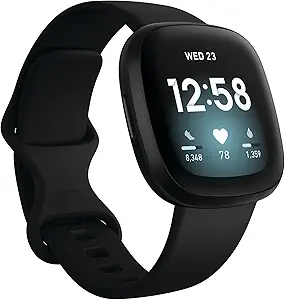
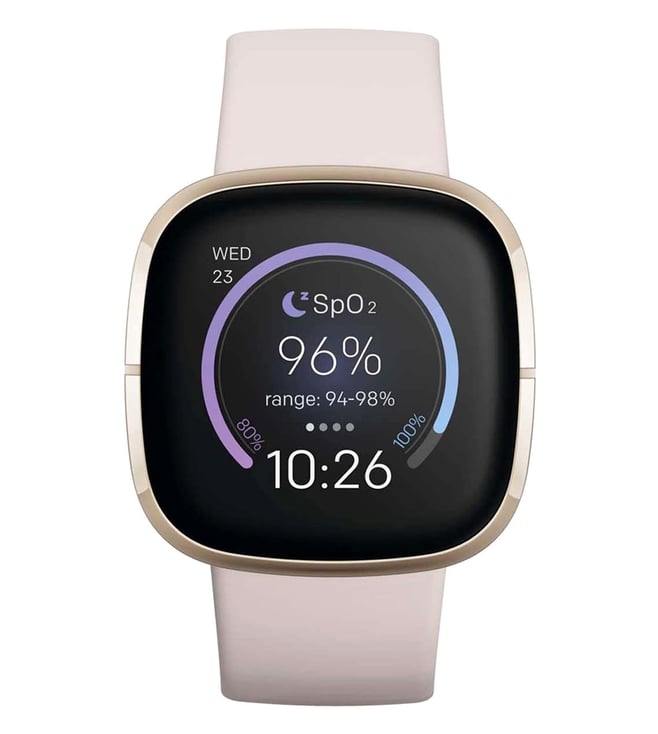
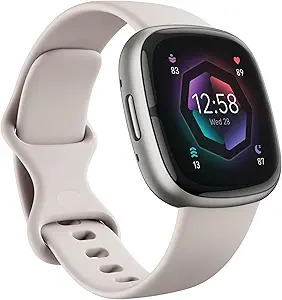
Fitbit devices, including the Versa and Sense lines as well as the Charge trackers, deliver respectable but comparatively modest endurance, typically ranging from 4 to 7 days depending on the model and feature utilization. Because Fitbit runs a richer suite of continuous biometric algorithms, frequent background sensor polling, and ambient display protocols, its system architecture draws significantly more current. Enabling advanced features like built-in GPS or the Always-On Display (AOD) degrades Fitbit's battery life down to roughly 2 to 3 days, or just 5 to 12 hours of continuous outdoor tracking. While Fitbit charges relatively quickly via proprietary magnetic docks, Nothing holds a decisive technical edge in raw multi-day stamina due to its efficient, low-overhead firmware.
Build Quality & Durability
Fitbit brings years of refined wearable engineering to the table, emphasizing ergonomic, lightweight designs tailored for active lifestyles. Its flagship smartwatches showcase aerospace-grade aluminum chassis with smooth, pebble-like contours and scratch-resistant Corning Gorilla Glass displays. Durability is a core pillar of the Fitbit hardware philosophy: almost all flagship Fitbit smartwatches and bands feature a 5 ATM water-resistance rating, certifying them for submersion up to 50 meters, including lap swimming and open-water sports. The integration of skin-temperature sensors and electrodermal activity (EDA) rings into the watch bezels also illustrates a sophisticated manufacturing approach that seamlessly embeds biometric hardware into the structural chassis.
Nothing counters with its signature minimalist industrial design language, featuring bold geometries, flat edges, and tactile aluminum alloy frames that look distinctly modern and upscale relative to their price point. However, structural durability involves trade-offs; Nothing devices typically carry an IP68 ingress protection rating rather than a true 5 ATM depth certification. While IP68 provides robust protection against heavy sweat, rain, and brief accidental immersion, it is not recommended for high-pressure water sports or extended swimming sessions. Furthermore, while the aluminum frame feels rigid and premium in hand, Nothing often utilizes tempered glass that lacks the proven impact and scratch resistance of high-tier Gorilla Glass, positioning it more as a stylish urban timepiece than a rugged, all-weather athletic instrument.
Health & Fitness Tracking
Health and wellness tracking is where Fitbit establishes clear technological superiority, backed by more than a decade of proprietary biosensor development and clinical algorithmic validation. Fitbit devices monitor an expansive array of physiological biomarkers, including ECG for atrial fibrillation detection, electrodermal activity (EDA) for continuous stress tracking, SpO2, skin temperature variation, and detailed Heart Rate Variability (HRV). Beyond raw data collection, Fitbit's platform excels in data interpretation; metrics like the Daily Readiness Score and comprehensive sleep staging provide actionable, scientifically grounded insights. The companion app remains an industry gold standard, offering holistic tracking that ties together activity, nutrition, cardiovascular health, and menstrual cycles with medical-grade precision.
Nothing delivers a competent, baseline health suite via its companion app, but it lacks the analytical depth and advanced diagnostic capabilities of Fitbit. Nothing smartwatches cover standard metrics such as 24/7 heart rate, blood oxygen saturation (SpO2), stress estimation based on heart rate, and basic sleep duration breakdowns. However, its algorithms are relatively rudimentary, occasionally struggling with rapid heart rate spike detection during high-intensity interval training (HIIT) and offering limited nuance in sleep architecture analysis. For casual users looking to monitor basic steps, burned calories, and general activity targets, Nothing provides clean and intuitive visualizations, but it cannot compete with Fitbit's validated biosensing ecosystem and preventative health tools.
Smart Features & Connectivity
In the realm of everyday smart functionality, both brands navigate notable compromises due to their respective platform limitations, yet they target different functional niches. Fitbit smartwatches benefit from deep integration with the broader Google ecosystem following its acquisition. On devices like the Versa 4 and Sense 2, users gain access to turn-by-turn Google Maps navigation, on-wrist contactless payments via Google Wallet, and Alexa voice assistant capabilities. Bluetooth calling and notification mirroring are reliable across both iOS and Android. However, Google's gradual deprecation of third-party apps and local music storage on newer Fitbit models has somewhat curbed what was once a more expansive smartwatch app ecosystem.
Nothing focuses primarily on seamless ecosystem synergy with its own smartphone lineup, relying on custom widgets, Bluetooth 5.3 connectivity, and its distinctive dot-matrix visual aesthetic. A major highlight of Nothing smartwatches is their Bluetooth calling implementation, which utilizes AI-driven noise reduction via integrated microphones and high-fidelity speakers to deliver crisp on-wrist calls. While Nothing offers functional utilities like music playback control, remote camera shutter triggers, and voice assistant pass-through to your paired phone, it lacks an independent app store, NFC-based contactless payments, and native cloud-connected apps. Consequently, Fitbit provides a more versatile standalone utility suite for daily tasks, while Nothing operates as a streamlined, aesthetically coordinated notification and communication hub.