Apple vs TAG Heuer: Overview & Brand Philosophy
The convergence of horology and microcomputing has created two distinct schools of thought in the smartwatch market, perfectly exemplified by Apple and TAG Heuer. Apple entered the wearable space with the singular goal of mass-market utility, positioning the Apple Watch as an indispensable digital hub for personal health, seamless communication, and active lifestyles. By treating the wrist as prime real estate for interactive technology, Apple fundamentally redefined what a watch can do, prioritizing constant connectivity, high-density biometric monitoring, and continuous software iteration over conventional watchmaking traditions.
Conversely, TAG Heuer approaches the connected space from the perspective of an avant-garde Swiss luxury manufacture with over 160 years of heritage. Rather than attempting to match Silicon Valley's feature-for-feature arms race, TAG Heuer’s Connected series treats smart technology as an advanced movement housed within an authentic, masterfully finished luxury timepiece. TAG Heuer’s philosophy centers on prestige, tactile refinement, and aesthetic permanence, deliberately seeking to preserve the emotional resonance and mechanical geometry of classic chronographs while incorporating the conveniences of modern digital interfaces.
Key Differences & Technological Comparison
The contrast between these two manufacturers is most evident in their hardware construction, operating systems, and functional priorities:
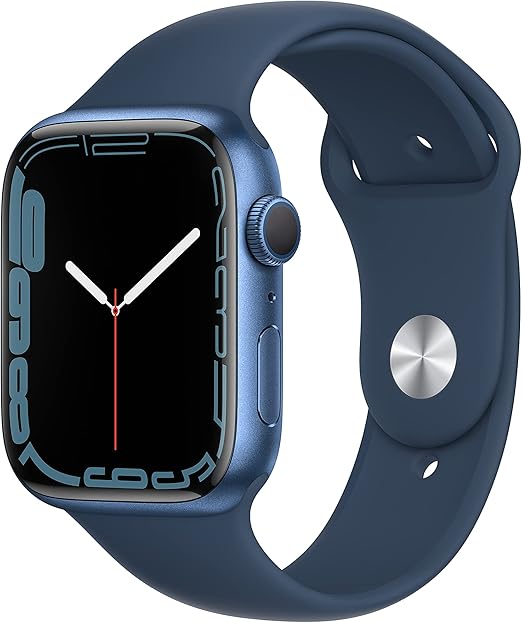
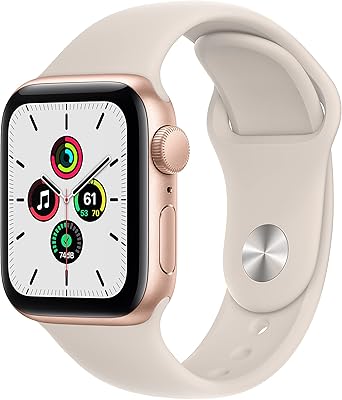
- Materials and Case Architecture: TAG Heuer utilizes traditional Swiss manufacturing techniques, offering cases milled from grade-2 titanium, high-grade stainless steel, and ultra-hard ceramics, often paired with sapphire crystal lenses and ergonomic pushers. Apple offers various finishes ranging from lightweight recycled aluminum to polished titanium (in the Ultra line), but the overall industrial design favors a minimalist, screen-first rectangular silhouette engineered primarily for high-density touch interaction.
- Operating System and Digital Ecosystem: Apple Watches run on watchOS, the industry benchmark for fluid user interfaces, rich third-party application support, and deep integration with iOS. TAG Heuer operates primarily on Google’s Wear OS, customized with bespoke TAG Heuer watch faces, a proprietary sports/wellness suite, and a dedicated golf tracking system. While TAG Heuer functions well across both Android and iOS devices, it cannot match the deep ecosystem cohesion Apple delivers natively within its walled garden.
- Biometrics and Health Tracking: Apple dominates this category with FDA-cleared sensors, comprehensive ECG functionality, blood oxygen estimates, wrist-temperature sensing for sleep/cycle tracking, and cutting-edge safety features like Fall Detection and Crash Detection. TAG Heuer features heart-rate monitoring and basic activity metrics, but its sensors are tuned for lifestyle sports tracking—such as running and golf—rather than deep, medical-grade physiological analytics.
- Display Technology: Both brands employ brilliant OLED/AMOLED panels with high peak brightness to ensure outdoor readability. However, Apple prioritizes edge-to-edge screen real estate with curved borders to maximize touch-target area, while TAG Heuer integrates its circular display behind physical bezels with printed or engraved tachymeter markings, maintaining the authentic look of a mechanical sports watch.
Pros & Cons Comparison
Apple Smart Watches
- Pros:
- Market-leading health, wellness, and safety diagnostics (ECG, Fall/Crash Detection).
- Incomparable ecosystem integration with iPhone, AirPods, and Mac.
- Extensive third-party application ecosystem and frequent watchOS updates.
- Highly customizable through software and a vast market of interchangeable bands.
- Cons:
- Ubiquitous aesthetic lacks traditional horological individuality or prestige.
- Restricted compatibility (virtually unusable without an Apple iPhone).
- Standard models require daily charging, limiting true multi-day autonomy.
TAG Heuer Connected Watches
- Pros:
- Exemplary Swiss build quality, premium case materials, and authentic finishing.
- Exceptional standalone luxury sports apps, notably the industry-leading TAG Heuer Golf software.
- Cross-platform compatibility functioning on both Android and iOS smartphones.
- Retains the presence, weight, and visual prestige of a luxury mechanical timepiece.
- Cons:
- Significant price premium for internal components that will inevitably suffer digital obsolescence.
- Wear OS experience lacks the responsiveness, app breadth, and deep integration of watchOS.
- Health tracking suite is basic compared to Apple's clinical-grade features.
Performance, Durability & Value Analysis
From a technical lifecycle standpoint, performance metrics vary substantially based on what the buyer values. Apple delivers superior processing power via its proprietary S-series and S-SiP chipsets, ensuring instantaneous app launches, zero micro-stutters, and sustained fluid responsiveness over several years of operating system updates. TAG Heuer’s performance via Qualcomm Snapdragon platforms is dependable for daily wear, notification triage, and athletic logging, yet it is inevitably constrained by the broader Wear OS platform development cycle. In terms of physical resilience, TAG Heuer holds an edge with its genuine scratch-resistant sapphire crystal and high-tolerance titanium cases that weather hard impacts better than the consumer-grade components used in standard-tier smartwatches.
When assessing pricing value, Apple is objectively superior on a pure utility-per-dollar basis. Even an entry-level Apple Watch provides more health actionable data, safety features, and computational versatility than luxury competitors costing five to six times as much. TAG Heuer operates in an entirely different financial bracket where value is dictated by status, prestige, and horological cachet rather than silicon efficiency. While all microchip-based wearables face inevitable obsolescence due to battery degradation and unsupportable software updates, TAG Heuer attempts to soften this reality by providing premium trade-in programs and servicing options that standard consumer-electronics makers do not replicate.
Final Verdict: Which Brand Should You Choose?
Your choice between Apple and TAG Heuer comes down to whether your primary goal is optimizing digital efficiency or elevating personal style with a certified luxury instrument.
Choose Apple if you are embedded in the iOS ecosystem and demand the most advanced health tracking, intuitive digital assistant features, seamless notification handling, and reliable daily fitness data available today. It is the definitive choice for pragmatists, athletes needing deep metric tracking, and anyone who views their smartwatch primarily as a computational tool for convenience and personal well-being.
Choose TAG Heuer if you appreciate the craftsmanship, wrist presence, and social distinction of authentic Swiss luxury watchmaking, but still desire the modern convenience of digital notifications, step tracking, and dedicated sports assistance like golf course mapping. TAG Heuer is engineered for buyers who refuse to wear a mass-market black rectangular screen to the boardroom or formal events, and who value exquisite design and brand prestige far above Silicon Valley spec sheets.
Battery Life
When evaluating battery life between Apple and TAG Heuer in the luxury and high-tech smartwatch sectors, consumers face a fundamental trade-off between algorithmic battery optimization and hardware-driven luxury engineering. Apple’s lineup, primarily driven by the flagship Apple Watch Series and the rugged Apple Watch Ultra, relies on custom S-series and high-efficiency silicon paired with deeply integrated watchOS power management. The standard Apple Watch models are engineered around an 18-to-36-hour usage cycle, heavily burdened by continuous background health tracking, high-luminance always-on Retina displays, and persistent neural engine operations. Conversely, the Apple Watch Ultra elevates Apple’s endurance into a multi-day tier, achieving 36 to 72 hours via dual-frequency GPS throttling, display scaling, and dynamic low-power modes. TAG Heuer, with its Connected Calibre line, utilizes Qualcomm Snapdragon Wear platforms running on Google’s Wear OS. Their approach concentrates on a dedicated single-day lifecycle—roughly 24 hours of standard use including light sports tracking—focusing technical resources on driving high-resolution, vivid displays that mimic the appearance of mechanical horology rather than multi-day off-grid survival.
The practical trade-offs become glaringly apparent during intensive physical activities and prolonged utility. TAG Heuer heavily optimizes its proprietary sports application, utilizing specialized sensor governance to ensure an uninterrupted, high-precision session of running, cycling, or golf, yet this rigorous real-time metric tracking accelerates battery degradation, often demanding a recharge immediately following an 18-hole round. In contrast, Apple’s engineering prowess shines in its power-to-feature ratio: its Low Power Mode aggressively curbs non-essential background processes (like ambient heart-rate logging and irregular rhythm notifications) while preserving core interaction fidelity and emergency SOS readiness. Furthermore, both brands tackle charging latency differently; Apple implements proprietary fast magnetic charging architectures that can boost a standard cell to 80% capacity in approximately 45 minutes, reducing downtime significantly. TAG Heuer incorporates a stylized, luxurious magnetic charging dock that reflects its high-end horological pedigree, though typical charging cycles take noticeably longer to top off from flat. Ultimately, while TAG Heuer satisfies the traditional luxury consumer content with nightly docking routines, Apple provides a technologically superior, versatile power ecosystem that better handles sustained continuous usage.
Build Quality & Durability
When evaluating build quality and durability, Apple and TAG Heuer approach the smartwatch category from fundamentally divergent design philosophies: mass-market tech precision versus heritage Swiss horology. TAG Heuer treats its Connected series as mechanical luxury timepieces first, engineering cases from premium Grade 2 and Grade 5 titanium, high-grade stainless steel, and ultra-scratch-resistant ceramic bezels. This translates to exceptional torsional rigidity, substantial wrist presence, and an authentic mechanical finish that masks daily wear far better than typical consumer electronics. In contrast, Apple utilizes an ultra-tight, precision-machined unibody design. While entry-level Apple Watches rely on softer, scratch-prone recycled aluminum and Ion-X glass, the flagship Apple Watch Ultra elevates Apple’s engineering prowess with an aerospace-grade titanium case, raised bezels to guard the crystal, and a genuinely flat sapphire face engineered specifically for extreme environments.
From an environmental resilience and functional durability standpoint, the technical strengths of each brand reveal distinct trade-offs. The Apple Watch Ultra leads in certified ruggedness, boasting an MIL-STD 810H military durability certification, an IP6X dust-resistance rating, and WR100 water resistance that supports recreational scuba diving and high-speed water sports down to 40 meters, complete with an integrated depth gauge. TAG Heuer Connected models, while resilient enough for daily luxury use with scratch-proof sapphire crystal screens across all models and robust 50-meter (5 ATM) water resistance, are primarily optimized for swimming, golf, and everyday exposure rather than sub-aquatic or extreme off-grid expeditions. Furthermore, TAG Heuer’s physical pushers and rotating mechanical crowns feature higher tactile tolerances and traditional horological gaskets, whereas Apple relies heavily on precision-milled digital encoders and haptic feedback mechanisms that minimize mechanical failure points over time.
Ultimately, the practical trade-off between the two brands centers on physical longevity versus generational obsolescence. TAG Heuer’s chassis, clasps, and modular strap systems are engineered to last decades, echoing the timeless durability of luxury analog watches; however, the internal lithium-ion batteries and chipsets inevitably age, creating a tension between the immortal exterior and perishable interior. Apple designs its hardware with an aggressive lifestyle-durability matrix, where the materials are engineered to survive drops, impacts, and caustic elements across an active, multi-year technological lifespan. Consumers seeking artisanal metalwork, hefty case architecture, and seamless luxury finish will find TAG Heuer superior in tactile craftsmanship, while athletes and outdoor enthusiasts requiring certified shock, dust, and deep-water survival will find Apple’s ruggedized Ultra platform objectively more durable under severe physical duress.
Health & Fitness Tracking
When evaluating health and fitness tracking, Apple stands as an industry benchmark in medical-grade sensor integration and holistic wellness data. The Apple Watch—spanning from the Series lineup to the Ultra—utilizes advanced photoplethysmography (PPG), electrical heart sensors, blood oxygen monitoring, and dual-frequency GPS to deliver exceptional data accuracy. Its proprietary watchOS platform offers an expansive ecosystem that includes native ECG readings with AFib detection, sleep stage architecture, skin temperature tracking for ovulatory retrospective estimates, and comprehensive workout metrics like running power and heart rate zones. The algorithms are backed by clinical studies, making the Apple Watch a formidable medical and athletic companion that actively monitors longitudinal health and delivers actionable alerts for irregular rhythms, high noise environments, and high-G impacts (fall and crash detection).
Conversely, TAG Heuer's approach via its Connected line reflects a luxury horology philosophy where fitness is treated as an active lifestyle enhancement rather than an exhaustive bio-metric diagnostic tool. Powered by Wear OS and equipped with the proprietary TAG Heuer Sports app, these watches feature standard biometric hardware, including an optical heart rate monitor, compass, accelerometer, and integrated GPS. While it competently tracks general metrics such as pace, cadence, calories, and specific sport profiles like running, cycling, and fitness, TAG Heuer purposely lacks advanced diagnostic capabilities like ECG generation or sleep apnea trend detection. Instead, its engineering strength lies in hyper-specific, premium sports tracking, most notably through its industry-leading TAG Heuer Golf app, which delivers high-precision vector mapping, interactive 2D/3D hole overviews, club recommendations, and driving-range shot tracking that outperforms standard Apple apps without third-party intervention.
The practical trade-off between the two brands highlights a stark contrast in product intent: analytical vitality monitoring versus prestige-driven athletic utility. For athletes and health-conscious consumers requiring clinically aligned, 24/7 background biometric capture and sophisticated recovery analytics, Apple is virtually unmatched in its depth and software refinement. TAG Heuer compromises on deep physiological metrics, continuous health diagnostics, and native sleep analysis sophistication, but it compensates with an impeccably designed sports interface tailored to luxury pastimes. Ultimately, while Apple operates as an indispensable, data-rich personal health clinic on the wrist, TAG Heuer functions as an exquisite mechanical-inspired timepiece with focused, boutique performance metrics for the recreational golfer and runner.
Smart Features & Connectivity
When evaluating smart features and connectivity, Apple and TAG Heuer represent two fundamentally divergent philosophies: silicon-first computing versus traditional horology adapted for the digital era. Apple dominates the smart wearables sector through its proprietary S-series System in Package (SiP) architecture and watchOS ecosystem, which provides a frictionless, hyper-integrated user experience. With native cellular (LTE/UMTS) capabilities, seamless Wi-Fi handoffs, ultra-wideband (UWB) precision finding, and Bluetooth 5.3, the Apple Watch operates essentially as a decoupled micro-smartphone. Features such as offline Siri processing, comprehensive Apple Pay execution via Secure Element, two-way walkie-talkie communication, and dynamic smart home control through HomeKit showcase an engineering baseline optimized for continuous, contextual computing. In contrast, TAG Heuer’s Connected series leans on Google’s Wear OS platform (historically powered by Qualcomm Snapdragon Wear processors), which offers standard Bluetooth and Wi-Fi connectivity, as well as NFC for Google Wallet. While functional, TAG Heuer’s connectivity suite lacks the cohesive deeply embedded synergies found in Apple's walled garden, serving primarily to mirror smartphone notifications rather than act as an autonomous computing node.
The disparity deepens when analyzing specialized software, app ecosystems, and proprietary applications. TAG Heuer’s smart feature value proposition is heavily concentrated in its bespoke software suite, particularly the proprietary TAG Heuer Golf, Sports, and Wellness apps, alongside custom-rendered digital watch faces that mirror the brand's mechanical heritage (such as the Carrera and Aquaracer). These luxury-oriented features boast exceptional UI aesthetic engineering, but the broader third-party app ecosystem remains tied to the Google Play Store on Wear OS, which historically trails watchOS in developer support, app stability, and overall utility. Apple’s App Store, meanwhile, offers an expansive catalog of standalone utilities, deep enterprise integrations, advanced voice-dictation workflows, and robust communication avenues (iMessage, third-party VoIP). Furthermore, Apple’s health and emergency connectivity—encompassing ECG analysis, crash detection, fall detection, and international emergency roaming—surpasses TAG Heuer's more fundamental biometric and telemetry tracking, shifting the Apple Watch from a luxury accessory to an essential personal safety tool.
Ultimately, the practical trade-off centers on technological obsolescence versus luxury longevity. TAG Heuer delivers an exquisitely constructed digital timepiece where smart features are an enhancement to a high-end luxury casing, but its connectivity and internal processing components inherently face a rapid lifecycle decay characteristic of consumer electronics—a tension TAG Heuer attempts to mitigate through trade-in programs rather than modular silicon. Apple, by contrast, prioritizes technical supremacy, industry-leading data throughput, and flawless platform continuity, albeit trapped within the iOS ecosystem and designed for a typical two-to-four-year hardware refresh cycle. For consumers demanding uncompromising connectivity, independent operational autonomy, and rich interactive capabilities, Apple is technically superior; for those seeking prestigious Swiss craftsmanship with just enough digital utility to navigate daily alerts and specialized athletic pursuits, TAG Heuer represents a compelling, if functionally compromised, compromise.
Compare current retail pricing, active promotions, and verified stock availability directly from authorized stores: