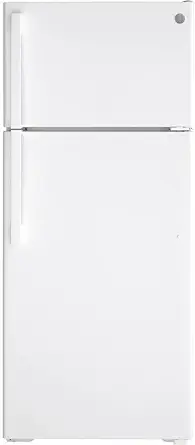
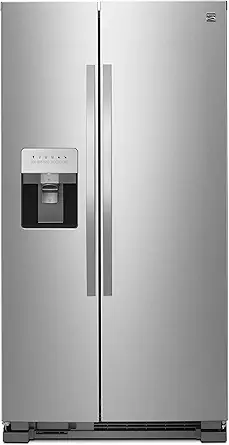
GE vs Kenmore: Overview
Comparing GE and Kenmore helps you determine which brand is best suited for your needs in Refrigerators. Both brands offer strong choices depending on your budget and key feature requirements.
Key Features & Comparison
Evaluate factors such as build quality, warranty, customer satisfaction, and total value before making your final purchase choice between GE and Kenmore.
Features
In terms of internal amenities and daily conveniences, GE leads with purpose-built innovations that emphasize precision, connectivity, and food safety. GE’s portfolio frequently incorporates smart home ecosystems via SmartHQ, enabling remote temperature alerts, open-door notifications, and filter replenishment scheduling. Advanced GE units showcase notable functional touches, including the Hands-Free AutoFill water dispenser, integrated Keurig K-Cup brewing systems on select models, and TurboCool settings that quickly drop interior temperatures after large grocery loading cycles. Furthermore, GE’s proprietary water filtration platforms are certified to remove a wide spectrum of pharmaceuticals and heavy metals, reinforcing the brand's focus on consumable health standards.
Kenmore counters with feature sets designed for straightforward practicality, largely mirroring the technical innovations of its respective OEM suppliers. Many modern Kenmore French door and side-by-side units feature spacious layouts characterized by Grab-N-Go door compartments, multi-level crisper bins, and dual ice makers designed to handle high-demand households. Kenmore’s Accela Chill and GeniusCool platforms provide rapid chilling and multi-zone airflow distribution that rival GE's baseline configurations. Nevertheless, Kenmore lags behind GE in native smart home integration and unified feature deployment; while one Kenmore model might boast LG-derived linear cooling tech, another in the same catalog might utilize basic mechanical thermostats, creating an inconsistent feature experience across their catalog.
Performance
Thermal regulation and compressor durability form the foundation of GE’s performance reputation. Utilizing multi-flow air tower systems and dual-evaporator architectures on mid-to-high tier units (TwinChill technology), GE refrigerators decouple the moisture-rich airflow of the fresh food section from the dry, freezing air of the freezer compartment. This prevents odor transfer, reduces freezer burn on stored meats, and stabilizes humidity in produce drawers to extend shelf life. Electrically, GE compressors are calibrated for balanced duty cycles, prioritizing longevity and resilient thermistor feedback over hyper-aggressive ramp-up speeds, yielding steady internal temperatures even during wide ambient environmental fluctuations.
Kenmore delivers respectable baseline cooling performance, frequently achieving rapid thermal pull-down times depending on the underlying platform architecture. Models derived from LG’s inverted compressor platform excel in energy efficiency and whisper-quiet operation, maintaining tight temperature tolerances across primary shelving zones. However, Kenmore refrigerators that utilize single-evaporator setups can struggle with localized cold spots and moisture migration between the freezer and fresh food sections during extended use. Furthermore, because Kenmore relies on varying supplier mechanics, historical performance variance—specifically around auxiliary defrost heaters and long-term compressor resilience—remains wider and less predictable than GE's standardized internal engineering.
Design
Aesthetically, GE offers a polished, intentional design language across its baseline, Profile, and higher-end configurations. The brand focuses heavily on clean exterior ergonomics, utilizing smudge-resistant slate, black slate, and fingerprint-resistant stainless steel finishes that integrate seamlessly into diverse kitchen palettes. Internally, GE layouts demonstrate thoughtful spatial allocation, offering spill-proof slide-out glass shelves, LED showcase lighting that eliminates shadowed corners, and drop-down door trays designed to maximize vertical gallon-storage capacity. Every handle contour and door hinge on a GE unit conveys substantial build quality and mechanical rigidity.
Kenmore’s aesthetic appeal is modern and utilitarian, prioritizing volume efficiency and broad consumer appeal over boutique design flourishes. Kenmore units typically feature deep door bins, clean exterior dispenser interfaces, and contemporary curved-pocket or commercial-style tubular handles. While visually clean, Kenmore's interior finishings can feel somewhat generic, featuring lighter plastics and standard shelf-adjustment tracks that lack the dampening and premium tactile feedback found in comparable GE tiers. For homeowners seeking a cohesive, modern architectural look with superior fit-and-finish tolerances, GE offers a more refined, durable presentation inside and out.
Compare current retail pricing, active promotions, and verified stock availability directly from authorized stores: