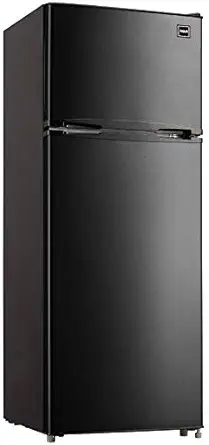
Bosch vs RCA: Overview & Brand Philosophy
When comparing Bosch and RCA in the refrigeration market, consumers are looking at two fundamentally different corporate philosophies, target demographics, and engineering benchmarks. Bosch, a cornerstone of German engineering under the BSH Home Appliances Group, approaches refrigeration as an integrated, precision-driven discipline. The brand positions itself firmly in the premium-to-luxury tier, focusing on sleek European aesthetics, whisper-quiet operation, and industry-leading food preservation technologies. Bosch designs its refrigerators for design-conscious homeowners, culinary enthusiasts, and modern remodelers who view kitchen appliances as long-term investments in lifestyle and home equity.
Conversely, RCA (Radio Corporation of America) carries a storied American heritage that has transformed substantially over recent decades. Today, the RCA brand name operates primarily through licensing partnerships, targeting the budget, utility, and secondary refrigeration segments. RCA does not attempt to compete with luxury built-ins or smart French-door hubs. Instead, its product line champions sheer affordability, compact utility, and straightforward functionality. RCA is a dominant player in dorm rooms, garage workshops, small rental apartments, and office breakrooms, providing straightforward cooling solutions that demand minimal financial commitment.
Ultimately, this comparison highlights a choice between cutting-edge engineering and bare-bones utility. Bosch engineers its units from the inside out to optimize humidity, temperature consistency, and finish quality. RCA focuses on accessible, mass-market manufacturing that delivers basic, reliable chilling performance at a fraction of the cost. Understanding these divergent missions is essential for determining which brand aligns with your spatial requirements, culinary habits, and budgetary constraints.
Key Differences & Technological Comparison
The technical architecture separating Bosch and RCA is vast, spanning compressor technology, interior air management, spatial design, and material construction.
Compressor Systems and Climate Control: The defining hallmark of Bosch’s flagship refrigeration line (particularly the 500 and 800 Series) is its dual-compressor, dual-evaporator system, branded as FarmFresh System and QuickIcePro. By running completely separate cooling circuits for the fresh food and freezer compartments, Bosch eliminates odor transfer and maintains optimal, high-humidity air in the fridge while keeping the freezer dry and arctic. In contrast, RCA relies on traditional, single-speed mechanical compressors and single-evaporator loops. Air is cycled between the freezer and fresh food compartments using simple mechanical dampers, which can lead to moisture migration, frost buildup, and faster produce dehydration.
Materials and Build Quality: Bosch utilizes premium materials throughout its construction. This includes fingerprint-resistant genuine stainless steel, metal-wrapped interior back walls (MultiAirFlow with metal backplates) that actively retain cold, and heavy-duty glass-and-metal shelving. Drawers slide on commercial-grade ball-bearing rails. RCA units are engineered to minimize shipping weight and production costs, relying heavily on lightweight ABS plastics, coated wire racks, or thin tempered glass with plastic surrounds. While RCA exterior finishes are functional—often available in black, white, or faux-stainless vinyl wraps—they lack the structural rigidity and thermal insulation depth found in Bosch's counter-depth and built-in units.
Smart Features and Usability: Modern Bosch refrigerators incorporate the Home Connect Wi-Fi platform, enabling remote temperature diagnostics, internal door-ajar notifications, and even internal camera systems on select models. RCA refrigerators are strictly analog and electromechanical; they utilize manual dial thermostats, lack any digital or wireless connectivity, and feature standard incandescent or basic single-diode LED illumination. For maintenance, Bosch incorporates automated diagnostic error codes, whereas RCA uses straightforward, easily serviceable, universal components.
Pros & Cons Comparison
Bosch Refrigerators
- Pros:
- Industry-leading dual-compressor technology keeps produce fresh significantly longer.
- True counter-depth design with hidden hinges delivers a seamless, high-end built-in aesthetic.
- Exceptionally quiet operation, typically measuring at or below 39 dBA.
- Robust, commercial-grade interior shelving and full stainless-steel interior accents.
- Advanced Home Connect smart ecosystem for diagnostics and alerts.
- Cons:
- High barrier to entry with premium pricing (typically $2,000 to $4,500+).
- Limited footprint options in the small, entry-level, or top-freezer segments.
- Proprietary replacement components and specialized service networks can be expensive outside of warranty.
RCA Refrigerators
- Pros:
- Extremely budget-friendly price point, often costing under $500 for full-sized budget units and under $200 for compacts.
- Uncomplicated, analog mechanical components mean fewer points of electronic failure.
- Excellent availability of ultra-compact and retro designs suited for tight spaces and dorms.
- Lightweight and easily transportable for renters, students, and temporary setups.
- Cons:
- Basic single-evaporator cooling can cause temperature fluctuations and uneven chilling.
- Higher ambient noise levels and frequent compressor cycling.
- Lacks modern convenience features like filtered water dispensers, dual ice makers, and smart alerts.
- Interior plastics and door gaskets have a shorter lifespan under heavy everyday family use.
Performance, Durability & Value Analysis
From a performance perspective, Bosch operates in an entirely different class. Laboratory testing repeatedly shows Bosch maintaining compartment temperatures within half a degree of the set point, mitigating freezer burn and extending the shelf life of fresh leafy greens by up to three times compared to standard cooling setups. In terms of durability, Bosch refrigerators are engineered for a standard operational life of 10 to 15 years, utilizing heavy-gauge copper tubing, sealed brushless DC inverter fans, and robust compressors. While their upfront investment is substantial, the lifecycle value is realized through reduced food waste, minimal repair downtime, and added real estate value to modern kitchens.
RCA represents value strictly through low upfront cost per cubic foot. In real-world performance, RCA units can exhibit temperature differentials of up to 4 to 6 degrees Fahrenheit between the top and bottom shelves, requiring users to be mindful of where they place highly perishable items like milk or raw poultry. Regarding longevity, RCA appliances typically last between 4 to 8 years under moderate use. Because their components are basic and broadly sourced, repairs can sometimes be done cheaply by independent handymen; however, given the unit's low replacement cost, it is often more economical to replace the entire unit rather than repair a failed sealed system. For short-term installations or low-intensity usage, RCA offers clear, undeniable upfront economy.
Final Verdict: Which Brand Should You Choose?
Your choice between Bosch and RCA depends on your architectural footprint, culinary expectations, and financial strategy.
Choose Bosch if: You are outfitting a primary residence, undergoing a high-end kitchen remodel, or prioritize culinary preservation. If your budget allows for a $2,000+ appliance investment, Bosch delivers exceptional value through superior temperature stability, whisper-quiet performance, advanced ice-making capabilities, and a sleek built-in profile that instantly elevates the look of your kitchen.
Choose RCA if: You have strict budget limitations, need an inexpensive secondary refrigerator for the basement or garage, or are furnishing a college dorm, studio apartment, or short-term rental property. If you simply need reliable cold storage for pre-packaged goods, beverages, and basic groceries without the added expense of digital screens, smart connectivity, or specialized humidity zones, RCA delivers straightforward, pocketbook-friendly utility.
Features
When evaluating the feature landscape of refrigeration, Bosch and RCA represent entirely different engineering paradigms designed for divergent consumer expectations. Bosch approaches refrigeration with a focus on high-precision preservation technologies and modern smart-home integration. Central to Bosch’s feature set is the dual-compressor, dual-evaporator FarmFresh System, powered by proprietary technologies like VitaFreshPro, which automatically balances temperature and humidity to significantly extend produce longevity. Beyond food preservation, Bosch equips its refrigerators with sophisticated conveniences such as interior filtered water dispensers, the pyramid-shaped UltraClarityPro ice makers, full-extension metal glide drawers, and Home Connect Wi-Fi compatibility, allowing users to remotely monitor diagnostics and receive open-door alerts on their mobile devices.
Conversely, RCA operates primarily in the value, compact, and retro refrigeration segments, where the feature philosophy prioritizes mechanical simplicity, spatial utility, and fundamental cooling over digital sophistication. RCA units typically eschew complex dual-evaporators and microprocessors in favor of manual thermostat dials, static cooling or basic frost-free systems, and traditional wire or tempered glass shelving. While lacking high-end innovations like smart connectivity or dedicated ethylene-gas filters, RCA products excel in practical, localized functionality. Their feature set often includes space-conscious solutions such as reversible door hinges, integrated door can dispensers, built-in freezer compartments, and vibrant, nostalgic exterior aesthetics that cater to dorm rooms, studio apartments, and secondary entertainment spaces.
The practical trade-offs between Bosch and RCA fundamentally center on the balance between advanced preservation versus affordability and low-maintenance operation. Bosch's feature-rich ecosystem delivers superior climate control and premium convenience, but this comes with higher electrical complexity, elevated repair costs, and a steep initial price point. RCA minimizes moving electronic parts, resulting in appliances that are straightforward to operate, highly portable, and budget-friendly, yet they require manual intervention for tasks like defrosting and lack the precision necessary to prevent freezer burn or rapid produce spoilage. Ultimately, Bosch delivers a technologically elite feature suite engineered for primary, luxury residential use, while RCA provides an economical, utilitarian feature set tailored for secondary cooling and strictly limited footprints.
Performance
When evaluating refrigeration performance, Bosch and RCA represent entirely different engineering paradigms tailored to distinct market segments. Bosch operates at the premium tier, distinguished by its dual-compressor and dual-evaporator architectures—most notably found in its 800 Series. By isolating the airflow between the refrigerator and freezer compartments, Bosch appliances maintain precise, stable temperatures with virtually zero flavor transfer and optimal humidity levels. Advanced monitoring systems like MultiAirFlow and VitaFreshPro dynamically circulate chilled air to eliminate hot spots, ensuring perishable items stay fresher significantly longer. In contrast, RCA specializes in budget-friendly, entry-level, and compact refrigeration. RCA units rely on single, traditional mechanical compressors that operate via basic on-off cycles, leading to wider temperature fluctuations and single-evaporator systems where dry, freezing air from the freezer is circulated into the fresh food section, which accelerates the dehydration of produce.
The technical trade-offs between the two brands directly impact daily usability, food preservation longevity, and operational refinement. Bosch utilizes inverter compressors that ramp up and down smoothly, resulting in near-silent operation (often below 40 dBA) and exceptional energy efficiency that easily secures Energy Star certifications. They also feature superior thermal recovery times after doors are opened, engineered to counteract the effects of frequent family access. RCA, while lacking sophisticated multi-sensor arrays and digital climate management, offers straightforward cooling power adequate for dorms, secondary spaces, or small apartments where complex food preservation is not the primary objective. However, RCA units tend to suffer from uneven interior temperature zones—frequently freezing items placed near the back wall—along with higher baseline operational noise, vibration, and manual defrost requirements on lower-tier models.
Ultimately, Bosch delivers elite performance characterized by scientific precision, superior moisture retention, rapid freezing capabilities, and exceptional temperature consistency, justifying its substantial price premium for serious home cooks. RCA delivers fundamentally functional cooling performance stripped of automation and fine-tuned regulation, trading precision and produce longevity for affordability and basic mechanical utility. Consumers prioritizing prolonged freshness, quiet operation, and robust long-term reliability will find Bosch dramatically superior, whereas RCA serves as an accessible, utilitarian choice strictly meant for baseline cooling needs.
Design
When evaluating the design philosophy of refrigerators, Bosch and RCA represent entirely different paradigms dictated by their target demographics and price points. Bosch champions an architectural, European-inspired aesthetic characterized by clean lines, flush-to-cabinet depth, and premium materials. Their engineering focuses heavily on seamless integration into modern kitchens, utilizing high-grade, fingerprint-resistant stainless steel on the exterior and dual-compressor, dual-evaporator architectures on the interior. The interior layout in a Bosch refrigerator is a masterclass in ergonomics and spatial efficiency, featuring fully adjustable split glass shelving, specialized humidity-controlled crispers (such as the FarmFresh System), and high-lumen, multi-point LED lighting that illuminates every corner without casting harsh shadows. The industrial design prioritizes tactile quality, evident in the weighted feel of the doors, concealed hinges, and smoothly gliding ball-bearing drawers.
In stark contrast, RCA operates primarily in the compact, apartment-sized, and budget-friendly segments, where the design mandate shifts from architectural luxury to functional necessity and retro-inspired novelty. RCA units frequently utilize lightweight sheet metal with stamped finishes or glossy painted exteriors, often channeling mid-century aesthetics with curved corners and chrome-plated accent handles to inject character into small spaces. Mechanically and spatially, the engineering is rudimentary compared to Bosch; interior layouts lean heavily on fixed-position wire or basic tempered glass shelves, manual temperature dial thermostats, and incandescent or low-output singular LED bulbs. While Bosch designs for long-term culinary preservation and sophisticated built-in looks, RCA prioritizes maximum volumetric capacity relative to a small physical footprint, resulting in utilitarian door bins that lack deep adjustability and single-evaporator systems that limit specialized climate zones.
Ultimately, the practical trade-offs regarding design center on lifestyle requirements and structural permanence versus mobility and budget. A Bosch refrigerator requires a significant initial investment and is designed as a foundational, premium centerpiece for full-sized residential kitchens, offering quiet, vibration-free operation and advanced materials that resist wear and tear over decades. Conversely, RCA offers functional charm and spatial versatility tailored for dorms, secondary utility spaces, wet bars, or studio apartments where a heavy, sophisticated counter-depth appliance would be cost-prohibitive and physically impractical. Consumers choosing Bosch are paying for industrial-grade engineering, bespoke organization, and minimalist sophistication, whereas those selecting RCA trade refined fit-and-finish and thermodynamic sophistication for compact utility and approachable styling.
Compare current retail pricing, active promotions, and verified stock availability directly from authorized stores: