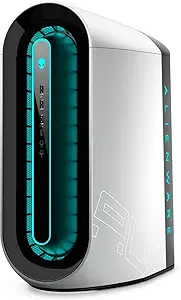
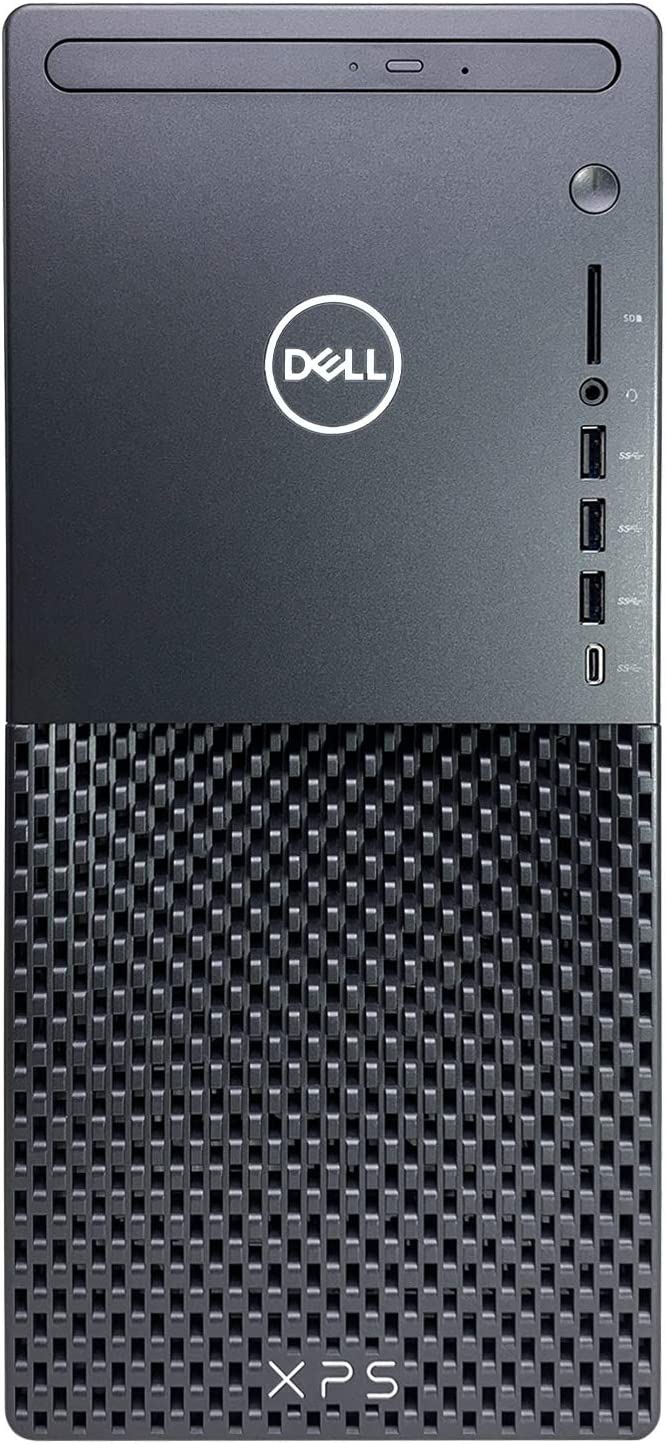
Dell vs Omen: Overview
Comparing Dell and Omen helps you determine which brand is best suited for your needs in Prebuilt PC. Both brands offer strong choices depending on your budget and key feature requirements.
Key Features & Comparison
Evaluate factors such as build quality, warranty, customer satisfaction, and total value before making your final purchase choice between Dell and Omen.
Features
In terms of system features and software integration, both brands provide proprietary management suites, but they target distinct operational styles. Dell systems ship with Dell SupportAssist and, on gaming-specific SKUs, Alienware Command Center derivatives. SupportAssist is exceptional for automated driver updates, hardware diagnostics, and enterprise-level service tracking, but it is notoriously resource-heavy and prone to background bloat. Omen PCs feature the Omen Gaming Hub, which is widely considered one of the better first-party utility suites on the market. It offers granular fan curves, integrated network boosting, system undervolting capabilities on supported processors, and direct control over external HyperX accessories, giving enthusiast users much greater operational agency.
Hardware expansion and component standardization represent another significant feature disparity. Dell’s non-Alienware prebuilts notoriously utilize proprietary motherboards, non-standard front I/O headers, and custom-shaped power supplies with specialized pinouts, severely hamstringing future upgrade paths. Omen desktops, particularly the 25L, 40L, and 45L series, emphasize industry-standard components. HP partners with established enthusiast brands to provide standard Micro-ATX or ATX motherboards, Kingston FURY DDR4/DDR5 memory modules, and standard multi-rail ATX power supplies from reputable OEMs like Cooler Master, ensuring that expanding storage, swapping graphics cards, or replacing power supplies down the road is straightforward.
Performance
Raw compute performance between Dell and Omen is largely dictated by silicon selection, with both manufacturers offering top-tier Intel Core and AMD Ryzen CPUs paired with NVIDIA GeForce RTX or AMD Radeon graphics cards. However, sustained performance under heavy multi-threaded workloads or long gaming sessions diverges significantly due to thermal engineering. Standard Dell prebuilts often utilize budget-oriented, low-profile air coolers and restricted chassis designs with minimal intake airflow, which frequently leads to thermal throttling and elevated fan acoustic levels when pushed to maximum TDP thresholds.
Omen systems generally demonstrate superior thermal performance and acoustic discipline, particularly within their larger-volume chassis. High-end Omen models incorporate robust 120mm, 240mm, or 360mm all-in-one (AIO) liquid cooling loops, with the flagship Omen 45L utilizing an innovative exterior 'Cryo Chamber' cooling compartment that draws cooler ambient air rather than warmed internal case air. This superior thermal headroom allows Omen machines to sustain higher boost clocks for both CPU and GPU without aggressive downclocking, resulting in smoother frame pacing, lower operating temperatures, and a noticeably quieter desktop environment under load.
Design
The aesthetic and physical design philosophies of Dell and Omen reveal radically different target audiences. Dell desktop chassis, even those designated for entry-level gaming, tend to reflect their corporate lineage. They feature compact, enclosed plastic-and-pressed-steel exteriors, compact internal volumes, and minimal internal cable management. While this unobtrusive design blends easily into an office environment and saves desk space, it severely compromises cross-ventilation, internal layout efficiency, and visual appeal for modern desktop setups.
Omen takes a contemporary, showcase approach to industrial design without veering into overly aggressive or juvenile aesthetics. Omen towers typically sport sleek, minimalist squared-off aluminum-and-steel frames, full-sized tempered glass side panels, and addressable RGB illumination integrated smoothly into the front fascia and internal components. Tool-less entry mechanisms are standard across most Omen configurations, facilitating easy cleaning and maintenance. Overall, Omen balances a modern gamer aesthetic with clean lines, creating a premium centerpiece that feels meticulously constructed rather than mass-assembled.