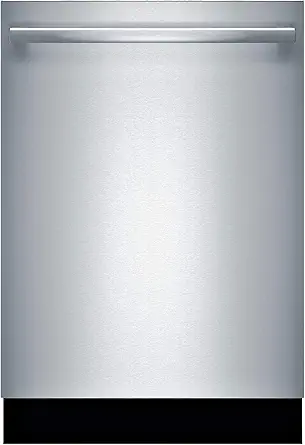
GE vs Bosch: Overview & Brand Philosophy
In the competitive landscape of kitchen appliances, dishwashers represent one of the most technologically demanding categories. Consumers demand silent operation, immaculate cleaning performance, water efficiency, and enduring reliability. Two brands consistently dominate buyer shortlists in North America: GE (General Electric, now operating under GE Appliances, a Haier company) and Bosch (part of the BSH Home Appliances Group). While both manufacturers produce dependable, feature-rich machines, their design philosophies, engineering roots, and technological priorities diverge significantly.
GE embraces a quintessentially American approach to appliance design. The brand focuses on heavy-duty, high-capacity utility with powerful heating elements, dedicated hard-food disposers or ultra-fine filtration, and targeted spray mechanisms like bottle jets. GE’s philosophy centers on brute-force cleaning capability, rapid heated drying, and deep aesthetic integration tailored to standard American cabinet configurations. From its entry-level units to the elevated Profile and Café lines, GE designs its machines to handle heavily soiled cookware without requiring meticulous pre-rinsing.
Conversely, Bosch is the global benchmark for European appliance engineering. The German manufacturer prioritizes ultra-quiet acoustic insulation, precision water management, and sustainable condensation-based drying techniques. Bosch views the dishwasher as a precision instrument where cycle dynamics, water hardness management, and sensory monitoring converge to achieve maximum efficiency. Rather than relying on brute heat and massive motors, Bosch utilizes brushless EcoSilence drive systems and advanced mineral drying tech (such as Zeolite), making them the industry standard for whisper-quiet performance and longevity.
Key Differences & Technological Comparison
Understanding how GE and Bosch approach internal mechanics, drying systems, and rack architectures is vital for making an informed purchasing decision.
Drying Systems: Heated Dry vs. Condensation & Zeolite
Perhaps the most profound operational difference between the two brands lies in how they dry dishware. Most GE dishwashers use a traditional exposed calrod heating element at the tub's base. Combined with an internal fan (marketed as UltraFresh or Dry Boost), GE circulates scorching air to evaporate moisture rapidly. This makes GE exceptionally proficient at drying porous plastics, though it risks melting items placed on the lower rack.
Bosch strictly avoids exposed heating elements to prevent melting plastic and to conserve energy. Base models (100 and 300 Series) employ pure condensation drying, where dishes are rinsed in extremely hot water, and moisture naturally condenses against the cooler stainless steel walls. Mid-tier models (500 Series) feature AutoAir, which automatically pops the door open at the end of the cycle to release steam. High-end units (800 and Benchmark Series) utilize CrystalDry, a proprietary technology using natural Zeolite minerals that absorb moisture and generate intense, chemical-free heat up to 176°F, delivering plastic-drying results that rival or surpass traditional heated systems.
Washing Mechanics and Filtration
GE utilizes targeted, high-pressure water delivery. Standout technologies include dedicated silverware jets mounted directly beneath cutlery baskets and Deep Clean silverware/bottle jets integrated into the upper racks. Higher-end GE Profile units feature the Piranha Hard Food Disposer, a stainless-steel blade spinning at thousands of RPMs to pulverize food particles, preventing redeposition without requiring regular manual filter cleanings.
Bosch relies on its triple-filtration manual system paired with variable-spray-pressure wash arms, such as the PrecisionWash and the high-end PowerControl spray arm. PowerControl allows users to target specific quadrants of the bottom rack with higher water intensity via an app. Because Bosch uses a fine-mesh manual filter rather than a mechanical macerator, the machines run far quieter, though homeowners must manually rinse the filter screen every few months.
Acoustic Engineering
Bosch is renowned for setting the standard in silent dishwashing. Its models range from 50 dBA on entry-level units down to an imperceptible 38 to 42 dBA on 800 and Benchmark models. Bosch accomplishes this through multiple layers of damping mats, brushless motors, and completely sealed bases. GE has closed the acoustic gap considerably with its Profile line (often operating between 39 and 45 dBA), but entry-to-mid-range GE units tend to produce slightly more mechanical and water-drain noise than comparable Bosch tiers.
Pros & Cons Comparison
Bosch Dishwashers
- Pro: Industry-Leading Acoustics: Bosch machines are among the quietest in the world, with virtually inaudible operation in mid-to-high tiers.
- Pro: Superior Energy & Water Efficiency: European engineering minimizes resource usage without sacrificing wash purity.
- Pro: CrystalDry Technology: Available on 800-series models, this natural mineral drying system thoroughly dries plastics without plastic-melting heating coils.
- Pro: Long-Term Build Quality: High-grade stainless steel tubs and German-engineered hydraulic assemblies minimize leaks and structural fatigue.
- Con: Smaller Loading Geometry: Tine spacing is tighter (optimized for European flatware/plates), which can make loading thick, oversized American bowls awkward.
- Con: Manual Filter Cleaning: Bosch avoids loud internal macerators, requiring periodic manual cleaning of the cylindrical mesh filter.
GE Dishwashers
- Pro: Effective Heated Drying: Traditional heating elements combined with dual fans ensure bone-dry dishes, including Tupperware and storage lids.
- Pro: Deep Cleaning Features: Integrated bottle jets and specialized silverware sprayers blast stubborn debris from deep containers.
- Pro: Flexible American-Style Racking: Wider tine spacing easily accommodates thick stoneware, large mixing bowls, and bulky cookware.
- Pro: Hard Food Disposal: Built-in Piranha blades pulverize food particles, reducing the need to clean out internal filters manually.
- Con: Higher Energy Consumption: Electric calrod elements draw more kilowatt-hours than condensation-based drying systems.
- Con: Risk of Heat Damage: Lightweight plastics placed accidentally on the bottom rack can warp or melt from the bottom heating element.
Performance, Durability & Value Analysis
When analyzing service life and repair frequencies, Bosch consistently scores near the top of independent technician surveys and consumer reliability indexes. The brand's focus on sealed systems, leak-prevention mechanisms (AquaStop), and brushless induction motors yields an average lifespan of 10 to 12 years with minimal mechanical degradation. GE appliances deliver robust reliability, but service data indicates a higher frequency of secondary component failures over an 8-to-10-year lifespan—such as drain pumps, door latches, and electronic control boards. However, GE possesses a distinct logistical advantage in North America: replacement parts are widely available, less expensive, and practically any independent technician can service a GE platform with ease.
From a value perspective, the purchasing proposition hinges on price brackets. In the entry-level to sub-$700 market, GE frequently offers more immediate utility, giving consumers features like third racks, bottle jets, and stainless fronts where Bosch only offers its plastic/stainless hybrid tub 100 Series. However, in the $900 to $1,400 tier, Bosch completely dominates value. The Bosch 500 and 800 Series provide build quality, acoustic damping, and drying performance that outclass nearly every competitor at that price point, delivering exceptional cost-per-year value over the appliance's lifespan.
Final Verdict: Which Brand Should You Choose?
Select a Bosch dishwasher if your primary criteria are silence, build quality, and efficiency. Bosch is the undisputed winner for open-concept homes where kitchen acoustics disrupt living areas. If you regularly wash plastics and have the budget for the 800 Series with CrystalDry, Bosch delivers the most technologically refined, gentle, and reliable wash cycle available. It is also the ideal choice for eco-conscious homeowners who favor low power consumption and durable stainless steel engineering.
Choose a GE dishwasher if you prioritize traditional heated drying, wash large loads of bulky cookware, or frequently wash deep bottles and heavy travel mugs. GE is ideal for busy families who prefer not to scrape or rinse plates meticulously, thanks to its robust maceration systems and high-pressure jet options. Additionally, if you need a reliable, feature-packed unit under the $800 threshold or prefer appliances that are easily and affordably serviced by any local technician, GE represents a highly practical, performance-driven choice.
Features
When evaluating feature sets, Bosch and GE represent two fundamentally distinct engineering philosophies: Bosch focuses on precision, quiet operation, and drying science, while GE prioritizes targeted mechanical power, cycle versatility, and American-style loading capacity. Bosch dishwashers—particularly in the 500 and 800 Series—are renowned for proprietary drying technologies like AutoAir (which physically pops the door open to release moisture) and CrystalDry (a patented zeolite mineral system that chemically converts moisture into heat to dry plastics without melting them). Furthermore, Bosch features the highly flexible MyWay third rack, engineered to accommodate deep ladles and cereal bowls rather than just flatware, alongside the precision-engineered RackMatic system that allows for nine distinct rack positions. While Bosch keeps external displays minimalist and often conceals controls to maintain a flush, integrated aesthetic, it packs internal sensing capabilities with PrecisionWash, using intelligent sensors to continuously scan the wash water and adjust spray arm intensity accordingly.
Conversely, GE (along with its GE Profile line) excels in brute-force mechanical features and hyper-targeted cleaning solutions tailored to heavily soiled cookware. GE's standout feature is its dedicated Bottle Jets system, which integrates specialized spray nozzles directly into the upper rack to blast water deep inside tall glasses, baby bottles, and travel mugs. GE also incorporates dedicated silverware jets beneath the cutlery basket and features hard-food disposers with Piranha blade assemblies in select models, pulverizing food particles to prevent redeposition without requiring users to rigorously pre-rinse. For drying, GE relies heavily on its UltraFresh system—which actively circulates fresh air between cycles to eliminate moisture buildup and inhibit bacterial odors—and traditional heated dry elements paired with internal convection fans (Dry Boost), delivering reliable performance on standard ceramics and glassware, albeit with higher energy consumption than Bosch’s condensation-based methods.
The practical trade-offs between the two brands center on how you prioritize everyday utility versus specialized loading. Bosch delivers an elite, whisper-quiet experience (often dropping below 42 dBA) with superior smart home integration via the Home Connect app, which offers remote cycle customization and leak diagnostics backed by AquaStop overflow protection. However, Bosch tubs are notoriously tighter when accommodating oversized platters or tall stockpots due to European standard internal dimensions. GE sacrifices ultra-low decibel ratings—typically operating slightly louder in the 45 to 48 dBA range—in exchange for expansive tub capacity, rugged adjustable tines, and intuitive physical control panels with micro-displays showing cycle progress. Ultimately, consumers seeking cutting-edge drying technology for plastics, near-silent operation, and German-engineered water efficiency will favor Bosch, whereas those requiring dedicated deep-cleaning jets for complex dishware, built-in food grinding, and rapid heated drying will find GE's feature portfolio more aligned with high-volume, heavy-soil household demands.
Performance
When evaluating cleaning and drying performance, Bosch and GE approach dish care with distinctly different engineering philosophies. Bosch is widely considered the gold standard for precision cleaning, relying on a sophisticated, sensor-driven filtration system and its signature PrecisionWash technology. Rather than blasting dishes with brute-force water pressure, Bosch uses intelligent spray arms that continuously scan the load to target soiled areas with optimal spray intensity and water temperature. GE, particularly through its mid-to-high-tier Profile and Café series, counters with raw mechanical power. GE dishwashers feature dedicated, high-pressure zones, such as their industry-acclaimed deep-clean silverware jets and specialized bottle-washing jets integrated directly into the upper rack. While Bosch excels at dissolving baked-on proteins and evenly distributing wash coverage without redepositing food particles, GE offers superior targeted cleaning for heavily soiled cookware, tall sports bottles, and clustered cutlery.
The performance divide becomes even more pronounced when examining drying technology, a critical aspect of overall dishwashing efficacy. Bosch relies primarily on condensation drying to protect heat-sensitive plastics and maximize energy efficiency, but standard condensation can leave plastic items damp. To counteract this, higher-end Bosch units (such as the 800 Series) employ patented CrystalDry technology, which utilizes natural Zeolite minerals to absorb moisture and release intense, chemical-free heat up to 176°F, yielding virtually bone-dry results even on Tupperware. GE typically employs a more traditional, active heating approach using an exposed Calrod heating element paired with their Dry Boost or Twin Turbo Dry dual-fan systems. This technique forces hot air throughout the tub to evaporate water quickly and reliably, providing consistent drying across all price tiers, though at the expense of higher energy consumption and a risk of melting plastics placed on the lower rack.
Ultimately, the practical trade-offs come down to operational subtlety versus targeted versatility. Bosch’s engineering ensures whisper-quiet operation—often dipping below 42 dBA—alongside delicate glassware protection and exceptional water efficiency, making it the superior performer for mixed, daily household loads and fine dining ware. However, its filter requires manual rinsing to maintain peak performance, and entry-level models lacking CrystalDry or AutoAir can disappoint users accustomed to heated drying. Conversely, GE offers built-in hard food disposers or robust Piranha macerators in select lines, meaning consumers can skip the pre-rinse entirely without fear of clogged spray arms. For households that prioritize dedicated zone-blasting, effortless bottle sanitization, and ultra-reliable traditional heated drying, GE delivers powerful, workhorse performance that rivals Bosch's refined, high-efficiency engineering.
Design
When evaluating the design of dishwashers, Bosch represents the pinnacle of sleek, European-inspired minimalism and precision engineering, whereas GE focuses on utilitarian versatility tailored for high-capacity American kitchens. Bosch appliances—particularly within their 500 and 800 Series—champion seamless integration, offering flush-to-cabinetry installation, hidden top controls, and their iconic InfoLight or TimeLight systems that project operational status onto the kitchen floor. Internally, Bosch relies heavily on high-grade, full stainless steel tubs that enhance thermal efficiency for condensation drying while keeping sound dampening to industry-leading lows (often between 38 to 44 dBA). In contrast, GE prioritizes exterior practicality, frequently utilizing smudge-resistant finishes and pocket or towel-bar handles that integrate into traditional American kitchen suites. While premium GE models feature stainless interiors, many entry-to-mid-tier models still implement hybrid or plastic tubs, which are less sound-absorbent and more susceptible to long-term discoloration than Bosch’s all-metal cavities.
The interior architecture reveals a fundamental divergence in design philosophy and technical ergonomics. Bosch excels in customizable loading through its RackMatic system, which allows the upper rack to adjust into three different heights and nine separate positions, paired with their highly acclaimed MyWay or flexible third-rack designs optimized for ramekins, spatulas, and deep cutlery. Conversely, GE centers its interior design on brute-force spatial utility and targeted mechanics. GE’s standout design innovation is the integration of dedicated bottle-washing jets built directly into the upper rack, complemented by deep, full-extension tines designed to accommodate heavy cookware, oversized stockpots, and thick-rimmed dinner plates. While Bosch’s rack tines are set closer together to maximize standard place settings, GE’s layout is undeniably more forgiving for irregularly shaped cookware, trading ultra-compact spatial efficiency for day-to-day loading flexibility.
The practical trade-offs between the two brands crystallize around moisture management and aesthetic integration. Bosch utilizes an innovative, closed-system design approach, featuring either AutoAir (which pops the door open at cycle’s end) or technical marvels like CrystalDry (which uses zeolite minerals to transform moisture into heat), eliminating the need for an exposed heating element that could melt delicate plastics on the lower rack. GE, on the other hand, embraces traditional design strengths with its UltraFresh System with Microban antimicrobial technology and active heated dry cycles powered by hidden fans and exposed heating coils. Consumers seeking a flush, architectural presence with near-silent operation and advanced condensation engineering will find Bosch's design superior, while those requiring robust, high-clearance racks, specialized bottle cleaning, and bone-dry plastics via traditional heating mechanisms will favor GE's user-centric framework.