Leica vs JVC: Overview
Comparing Leica and JVC helps you determine which brand is best suited for your needs in Video Cameras. Both brands offer strong choices depending on your budget and key feature requirements.
Key Features & Comparison
Evaluate factors such as build quality, warranty, customer satisfaction, and total value before making your final purchase choice between Leica and JVC.
Features
The feature set of Leica video cameras is tightly integrated with cinematic workflow requirements and minimalist usability. Leica mirrorless systems that excel in video emphasize wide dynamic range via flat profiles like L-Log, internal 10-bit or 12-bit capture, and support for high-bitrate codecs including ProRes. With the versatile L-mount, Leica users can deploy an extensive range of native lenses as well as adapt legendary cinema glass. However, these systems deliberately omit utility features such as integrated servo zooms, built-in optical neutral density (ND) filters, and native full-sized XLR terminals, requiring users to build out a modular rig for comprehensive audio and exposure control.
In stark contrast, JVC outfits its video systems with comprehensive, turnkey operational features designed for immediate field deployment. Typical JVC broadcast camcorders include integrated mechanical ND filter wheels, physical motorized zoom rockers, dual XLR audio inputs, and advanced connectivity like SDI, HDMI, and Ethernet ports. JVC's industry-leading 'Connected Cam' technology provides built-in bonded cellular connectivity, SRT/Zixi streaming protocols, and seamless integration into newsroom computer systems (NRCS). While JVC lacks the cine-oriented frame rates and open-mount adaptability of Leica, it decisively outclasses the German manufacturer in integrated production utilities and IP-based broadcast functionality.
Performance
In terms of optical performance and pure image fidelity, Leica operates in an elite tier. Leveraging large-format sensors (predominantly full-frame) paired with world-class optical engineering, Leica systems yield extraordinary dynamic range, exceptional low-light sensitivity, and the organic transition from focus to falloff known as the 'Leica look.' The highlight roll-off is smooth and filmic, color science is natural and nuanced, and chromatic aberrations are virtually nonexistent. For productions where the aesthetic quality of every individual frame is paramount, Leica’s resolving power and sensory depth provide an unmatched visual foundation.
JVC’s performance metrics, on the other hand, are measured in transmission stability, operational speed, and reliable autofocus tracking over deep focal ranges. Built around smaller sensors—such as 1-inch or 1/2.3-inch chips—JVC cameras cannot compete with Leica's shallow depth of field or extreme dynamic range, often producing a flatter, more digital broadcast image. Nevertheless, JVC shines in real-time execution: rapid signal processing, ultra-low-latency streaming, and consistent auto-exposure algorithms that perform flawlessly in volatile live environments. Where Leica delivers stunning visual depth for graded master files, JVC delivers immediate, broadcast-ready signals that maintain integrity across congested networks.
Design
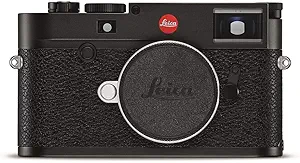
Leica’s design language is defined by Bauhaus-inspired minimalism, exceptional tactile precision, and uncompromising build materials. Milled from solid blocks of aluminum and magnesium alloy, Leica bodies provide a monolithic, reassuring heft coupled with weather-sealing that resists demanding conditions. The physical interface is intentionally spartan, focusing on essential exposure dials and clean touchscreen menus that avoid visual clutter. This design philosophy prizes the tactile relationship between the camera and operator, yielding an intuitive, distraction-free shooting experience, though it necessitates modular accessories to adapt to broader production rigs.
JVC embraces an overtly utilitarian, ergonomics-first camcorder design characterized by balance, accessibility, and functional density. Every core setting—gain, white balance, shutter speed, audio levels, and ND filtration—is mapped to dedicated physical switches and potentiometers on the camera body, enabling operators to make instinctive adjustments without looking away from the viewfinder. Form factors are optimized for shoulder-mounted stability or balanced top-handle carrying during long shifts. While JVC’s polycarbonate exterior and dense button clusters lack the refined elegance and heirloom-quality craftsmanship of Leica, they offer the ergonomic endurance and rapid-access layout essential for fast-paced professional production.
Compare current retail pricing, active promotions, and verified stock availability directly from authorized stores: