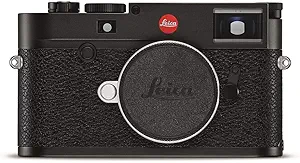

Leica vs GoPro: Overview
Comparing Leica and GoPro helps you determine which brand is best suited for your needs in Video Cameras. Both brands offer strong choices depending on your budget and key feature requirements.
Key Features & Comparison
Evaluate factors such as build quality, warranty, customer satisfaction, and total value before making your final purchase choice between Leica and GoPro.
Features
Leica approaches videography features through a minimalist, purist lens that strips away automated consumer gimmicks in favor of cinematic control. Higher-end models like the Leica SL2-S or Q3 offer professional-grade video toolsets including 10-bit internal recording, dedicated L-Log profiles, shutter angle adjustments, waveform monitors, and vectorscopes. These cameras integrate seamlessly into cinema rigs with external recorders via full-size HDMI ports and dual high-speed SD slots, while native L-Mount compatibility provides access to an expansive catalog of world-class cinema and photographic lenses. However, Leica eschews consumer-facing computational modes, maintaining a strictly manual, artist-driven workflow.
GoPro, conversely, features an exhaustive suite of automated and computational video modes that outmatch almost any traditional cinema camera in agility. Packed with high-frame-rate options up to 5.3K at 60fps or 4K at 120fps, GoPro cameras offer built-in features such as TimeWarp, HindSight capture, voice activation, and automated horizon leveling through 360-degree rotation. The inclusion of front and rear touchscreens, integrated mounting prongs, and seamless cloud offloading with automatic highlight reel generation caters directly to rapid turnaround and active lifestyle workflows. While it lacks cinema glass interchangeability and advanced optical exposure controls, GoPro's computational feature set is unrivaled for dynamic movement.
Performance
In pure image fidelity, low-light capability, and depth of field, Leica massively outperforms GoPro due to fundamental physics. Leica’s large full-frame sensors and bespoke optical designs deliver exceptional micro-contrast, organic background separation (bokeh), and expansive dynamic range that gracefully handles highlight rolloff without digital clipping. In dim lighting, Leica cameras cleanly resolve shadows with minimal chroma noise, retaining authentic color science and tonal subtlety. Footage captured on Leica sensors responds exceptionally well to color grading, giving productions a textured, cinematic signature that feels organic rather than digitized.
Where GoPro takes absolute performance dominance is in kinetic stability and frame-rate flexibility under extreme mechanical stress. GoPro’s proprietary HyperSmooth electronic image stabilization transforms intensely jarring motion—such as downhill mountain biking or surfing—into gimbal-smooth footage without the need for delicate external stabilizers. While GoPro’s small sensor struggles significantly in low-light environments, producing visible noise and smudging fine details due to aggressive digital noise reduction, it excels in bright daylight by delivering razor-sharp, hyper-responsive video capture that maintains focus across an ultra-wide depth of field effortlessly.
Design
The mechanical design of Leica cameras represents an intersection of luxury materials, German industrial engineering, and functional minimalism. Constructed from solid blocks of milled aluminum and magnesium alloy, Leica bodies feature tactile knurled dials, weather-sealed gaskets, and an understated aesthetic that emphasizes ergonomic balance in hand. Every button press and dial rotation provides deliberate, mechanical feedback engineered to last decades of professional use. This build quality comes with substantial weight and volume, making Leica setups heavy, delicate around water, and requiring dedicated protective cases and careful handling on set.
GoPro operates on the opposing design ethos: ultra-compact, featherweight, and virtually indestructible. Encased in a ruggedized, rubberized chassis, a GoPro is waterproof down to 33 feet straight out of the box without requiring external housings, and its optical cover lens is easily replaceable should it suffer scratches or impacts. The design philosophy centers entirely on mounting versatility, utilizing folding fingers that lock onto everything from chest harnesses and helmets to drone gimbals and vehicle exteriors. While lacking the refined elegance or premium tactile prestige of Leica, GoPro’s design is a masterclass in functional durability and utilitarian efficiency.
Compare current retail pricing, active promotions, and verified stock availability directly from authorized stores: