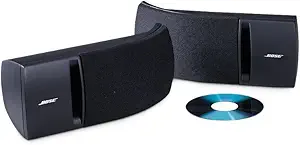
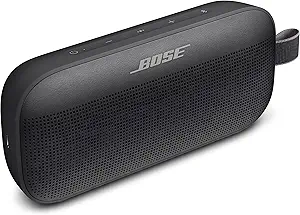
Sonos vs Bose: Overview & Brand Philosophy
When navigating the modern audio landscape, few names carry as much weight, influence, and consumer loyalty as Sonos and Bose. While both brands dominate the premium consumer speaker market, they arrived at their leadership positions through radically different philosophies. Bose, founded in 1964 by Dr. Amar Bose, is steeped in traditional acoustic research, psychoacoustics, and physical engineering. Its reputation was forged on pioneering active noise cancellation and extracting unexpectedly massive, room-filling sound from remarkably compact enclosures. Bose prioritizes immediate consumer gratification, tactile usability, and refined physical industrial design.
Conversely, Sonos launched in 2002 as a software-first audio disruptor, effectively inventing the modern multi-room wireless audio category. Rather than viewing a speaker purely as an acoustic transducer, Sonos approached audio as a connected, decentralized computing platform. Its ecosystem is engineered around robust Wi-Fi mesh networking, protocol interoperability, and continuous firmware evolution. Where Bose historically built standalone hardware designed to sound exceptional out of the box, Sonos designed an expandable, modular network where the software experience is just as vital as the physical drivers.
Today, these philosophies have converged into intense direct competition across home theater soundbars, smart architectural speakers, and portable Bluetooth-enabled devices. Consumers choosing between Sonos and Bose are no longer just comparing acoustic profiles; they are choosing between two distinct ecosystems: Sonos's unified, highly integrated smart home network and Bose's flexible, comfort-driven, and acoustically sculpted audio portfolio.
Key Differences & Technological Comparison
Understanding the operational and technical divergence between these brands requires examining how each handles connectivity, acoustic tuning, software integration, and system modularity.
Acoustic Tuning & Sound Profiles
Acoustically, the two brands cater to distinct listening preferences. Bose relies heavily on proprietary Digital Signal Processing (DSP) and active equalization that dynamically adjusts frequency response based on volume levels. The signature Bose sound profile emphasizes warm mid-bass, crisp dialogue clarity, and rolled-off highs that prevent listener fatigue during extended sessions. Sonos leans toward a more neutral, reference-style tuning with flatter frequency responses, articulate midrange separation, and tight low-end extension. Furthermore, Sonos utilizes its proprietary Trueplay calibration technology, which uses iOS device microphones (or built-in microphones on newer models) to map the acoustic reflections of a room and mathematically compensate for boundary interference, standing waves, and furniture obstruction.
Ecosystem, Multi-Room Networking & Software
Sonos remains the gold standard for multi-room synchronization. Operating primarily over Wi-Fi, the Sonos S2 platform allows users to group dozens of zones with microsecond synchronization, stream uncompressed high-resolution audio formats, and manage disparate streaming catalogs within a single, unified interface. Bose offers multi-room capability through its Bose Music app and SimpleSync technology, but its ecosystem is less expansively modular. While Bose allows grouping across smart soundbars and portable speakers, Sonos excels at flexible home theater modularity—allowing users to seamlessly bond two wireless speakers as dedicated rear surrounds and add multiple wireless subwoofers (Sub or Sub Mini) to a single soundbar.
Portability & Physical Connectivity
Bose retains an edge in outdoor durability, battery optimization, and universal physical connectivity. Many Bose home speakers and soundbars still incorporate physical auxiliary inputs, optical ports, and HDMI eARC, alongside Bluetooth connectivity with broad codec support. Sonos historically resisted Bluetooth entirely, prioritizing Wi-Fi fidelity, though it has incorporated Bluetooth into hybrid models like the Move 2 and Roam. However, Sonos home theater and stationary speakers generally eschew legacy inputs, forcing users entirely into the HDMI eARC or wireless streaming paradigm.
Pros & Cons Comparison
Sonos
- Pros:
- Industry-leading multi-room wireless synchronization with virtually zero latency.
- Superior home theater modularity (effortless pairing of wireless surrounds and dedicated subwoofers).
- Trueplay room-tuning technology accurately adapts sound to complex room geometry.
- Exceptional platform neutrality, supporting Apple AirPlay 2, Spotify Connect, and dozens of native streaming services.
- Clean, minimalist aesthetic that integrates discreetly into modern interior design.
- Cons:
- High dependence on a stable Wi-Fi network and centralized software infrastructure.
- Lack of legacy physical analog inputs (Aux/3.5mm) on most mainstream models.
- Trueplay advanced tuning remains primarily optimized for iOS devices rather than Android.
Bose
- Pros:
- Proprietary DSP delivers exceptionally clear dialogue and full-bodied sound at lower volumes.
- Broad connectivity options across the lineup, including Bluetooth, Wi-Fi, and legacy analog jacks.
- Market-leading portable industrial design with superior drop, water, and weather resistance.
- SimpleSync feature allows easy pairing between home soundbars and personal Bluetooth headphones.
- Physical remote controls and on-device capacitive touch surfaces reduce reliance on smartphone apps.
- Cons:
- The Bose Music companion app is less intuitive and stable than the Sonos S2 platform.
- Multi-room ecosystem is less expansive and lacks the modular flexibility of Sonos.
- Home theater expansion options are strictly limited to smaller proprietary surround modules.
Performance, Durability & Value Analysis
From an acoustic endurance and manufacturing standpoint, both manufacturers deliver premium craftsmanship. Bose constructs its speakers using impact-resistant polymers, anodized aluminum grilles, and silicone bumpers designed to endure physical handling, environmental exposure, and daily tactile use. Sonos utilizes high-grade, matte-finished polycarbonate resin engineered to resist UV discoloration and heat buildup in static installations. When analyzing mechanical durability, Bose generally holds a slight advantage for active and outdoor deployment, whereas Sonos hardware exhibits exceptional internal component resilience designed for continuous, decade-long static operation.
Value, however, must be measured through longevity and software lifecycle management. Sonos carries a significantly higher initial investment curve, especially when assembling a complete multi-channel home theater system. Yet, Sonos delivers profound long-term value by continually supporting hardware with software updates for up to a decade or more after release. Bose offers superior immediate value at the lower-to-mid price tiers—particularly with self-contained, standalone Bluetooth speakers and entry-level TV soundbars that do not require additional peripheral investments to deliver an expansive acoustic experience.
Final Verdict: Which Brand Should You Choose?
The optimal choice between Sonos and Bose fundamentally hinges on your intended deployment, lifestyle habits, and how you consume media:
Choose Sonos if: You are building a whole-home audio network, prioritizing seamless multi-room music streaming, or planning an expandable wireless home theater system (such as the Sonos Arc paired with Era 100 surrounds and a Sub). Sonos is the definitive choice for tech-forward users who prioritize high-resolution streaming platforms, appreciate comprehensive software management, and want an audio system that grows modularly over time.
Choose Bose if: You value standalone simplicity, immediate plug-and-play usability, superior portability, or unmatched speech clarity in home theater dialogue. Bose is ideal for listeners who want exceptional sound from a single box without configuring a complex network, those who frequently take speakers outdoors, or users who already own Bose noise-canceling headphones and wish to take advantage of cross-device integration via SimpleSync.
Product Selection
When evaluating product selection in the premium speaker market, Sonos and Bose approach catalog architecture from fundamentally different strategic angles. Sonos maintains a disciplined, ecosystem-centric portfolio engineered around multi-room Wi-Fi synchronicity and scalable home audio. Its lineup moves methodically from compact standalone speakers like the Era 100 to spatial-audio-driven flagships like the Era 300, anchored by an integrated home theater suite consisting of the Arc, Beam, and Sub. While Sonos has expanded into portable territory with the Move 2 and Roam, its engineering priority remains unified: network-driven interoperability via a centralized operating system. By contrast, Bose casts a significantly wider and more segmented net. Rather than treating all hardware as nodes in a singular, continuous home network, Bose engineers discrete product classes optimized for dedicated use cases. Its catalog spans ruggedized Bluetooth portables (the SoundLink family), luxury smart home speakers (the Smart Ultra Soundbar and Home Speaker 500), high-end active noise-canceling headphones, and commercial-grade PA systems, providing solutions for disparate operating environments that Sonos actively ignores.
The technical trade-offs between these two portfolios come down to ecosystem cohesion versus situational flexibility. Sonos excels through modularity; consumers can purchase an entry-level soundbar and progressively add rear satellites and dual subwoofers over several years, confident in backwards compatibility, Trueplay acoustic tuning, and unified protocol handling (AirPlay 2, direct streaming, and line-in adapters). However, this tight integration limits technical versatility, as Sonos offers negligible outdoor/marine integration, no micro-pocket Bluetooth options, and only recently adopted true on-the-go personal audio. Bose, meanwhile, dominates raw portability and point-to-point utility. Its SoundLink series utilizes proprietary digital signal processing (DSP), passive radiators, and high-tier IP67 waterproof enclosures engineered to maximize acoustic output from ultra-compact footprints, untethered from Wi-Fi dependencies. Furthermore, Bose provides enterprise installations, aviation headsets, and specialized architectural audio, delivering an exhaustive variety of hardware form factors.
Ultimately, Sonos offers the superior product selection for homeowners aiming to construct a synchronized, whole-home audio infrastructure with seamless software continuity and audiophile-grade spatial mapping. Bose, however, wins on broad-spectrum consumer availability and versatile lifestyle coverage. While a consumer choosing Sonos must commit to a networked domestic lifestyle, a shopper browsing Bose can find an isolated solution for virtually any acoustic environment—ranging from pocketable, go-anywhere Bluetooth pucks to isolated luxury home theater bars and high-performance noise-canceling wearables.
Affordability
When evaluating affordability, neither Sonos nor Bose competes in the budget tier; both operate firmly within the premium consumer audio segment, yet their pricing structures reflect distinct engineering philosophies and use cases. Sonos approaches cost through the lens of a modular, software-driven ecosystem. Entry-level units like the Sonos Era 100 or Roam carry a relatively high initial barrier to entry compared to basic Bluetooth alternatives, but they amortize value over time through multi-room Wi-Fi scalability, Trueplay room-tuning technology, and persistent firmware updates that expand legacy hardware capabilities. Conversely, Bose traditionally prices its standalone portable and home speakers, such as the SoundLink Max or Smart Ultra Soundbar, at a higher upfront price point that reflects immediate out-of-the-box acoustic engineering, proprietary transducer designs, and best-in-class active noise cancellation or outdoor durability. For single-unit purchases where immediate all-weather portability or singular high-fidelity output is the goal, Bose often presents a more transparent, all-inclusive price-to-utility ratio without requiring secondary network infrastructure.
The practical trade-offs regarding affordability become pronounced when expanding beyond a single device into home theater or whole-home audio. Sonos represents superior architectural cost-efficiency for consumers looking to build an integrated sound system over time, as users can purchase an entry-level soundbar like the Beam and incrementally add Sub Minis and surround speakers without incurring ecosystem redundancy. Bose, while offering similar modular expansion in its Smart Family lineup, charges higher individual premiums on its supplemental subwoofers and surround satellites, making full multi-channel setups notably more expensive. Furthermore, Bose relies heavily on proprietary physical connections and legacy audio standards, which can accelerate perceived hardware obsolescence, whereas Sonos hardware retains exceptionally high residual resale value due to backward compatibility across generations. Ultimately, Bose offers better localized value for self-contained, high-performance individual speakers, while Sonos yields a substantially better long-term return on investment for multi-room home audio networks.
Quality/Durability
When evaluating build quality and engineering execution, Sonos and Bose represent two distinct philosophies within the premium audio landscape. Sonos approaches construction with an architectural mindset, utilizing dense, non-resonant polycarbonate enclosures and precision-machined, micro-perforated acoustic grilles that minimize internal vibration and acoustic distortion. Flagship home models like the Sonos Era 300 and Five exhibit exceptional structural rigidity and seamless tolerances that resist wear over years of static placement. Conversely, Bose prioritizes lightweight resilience, employing an advanced mix of impact-resistant plastics, silicone bumper wraps, and powder-coated steel grilles, which is particularly evident in their SoundLink and portable smart speaker lineups. While both brands feature robust thermal management and premium tactile controls, Sonos devices feel distinctly more substantial and permanent in a home theater setup, whereas Bose’s physical engineering excels in practical, real-world durability that absorbs drops, bumps, and accidental impacts.
In terms of environmental durability and outdoor resilience, Bose holds a decisive technical advantage, engineered specifically for users who transition audio between indoor and outdoor spaces. Flagship portable units such as the Bose SoundLink Max and SoundLink Flex boast full IP67 ratings, signifying absolute dust-tight sealing and the capability to survive complete water immersion—with several Bose models even engineered to naturally float. Sonos has significantly narrowed this gap with the IP67-rated Roam and the IP56-rated Move 2; however, Sonos enclosures are generally more susceptible to cosmetic scuffing and scratch degradation when exposed to rugged elements. Bose also demonstrates superior mechanical durability in dynamic environments through the use of flexible silicone end-caps that diffuse kinetic energy during falls, making their portable units far more survival-oriented than the polished, showroom-aesthetic surfaces characteristic of Sonos hardware.
A comprehensive assessment of durability must also weigh software and ecosystem longevity, where Sonos shifts the balance back in its favor despite historical firmware hurdles. Sonos treats hardware as long-term network computing nodes, typically supporting legacy products with security patches and multi-room software integration for over a decade, which dramatically extends the operational lifespan of the investment. In contrast, Bose emphasizes component-level longevity—utilizing resilient, long-cycle lithium-ion batteries and robust standalone Bluetooth chipsets—but can occasionally lag in unified long-term software support across fragmented product generations. Consequently, consumers seeking hardware that provides unmatched structural survival against physical drops, moisture, and active lifestyle wear will find Bose superior in mechanical endurance, while those seeking desktop and home-theater audio built to withstand long-term acoustic degradation and multi-year software obsolescence will find Sonos to be the more enduring ecosystem.
Sound Quality
When evaluating sound quality, Sonos and Bose approach acoustic engineering from fundamentally distinct philosophies, both yielding exceptional yet noticeably different listening profiles. Sonos targets neutral, transparent, and balanced sound reproduction designed to respect the original audio mix across dynamic home environments. Utilizing custom-designed woofers, discrete class-D digital amplifiers, and meticulously phased tweeters, Sonos speakers—such as the Era 300 and Five—deliver an expansive soundstage with rich mid-range clarity and tight, uncolored bass. A definitive technical strength in the Sonos ecosystem is its proprietary Trueplay tuning software, which employs microphone spatial analysis to calibrate the frequency response to the specific geometry, soft furnishings, and reflective surfaces of any room, ensuring that acoustic distortion is minimized regardless of speaker placement.
Bose, conversely, prioritizes an immediately engaging, engineered sound signature characterized by deep, resonant bass and articulate high frequencies. Utilizing innovative proprietary technologies like acoustic waveguide systems and high-efficiency neodymium transducers, Bose speakers produce an expansive, room-filling sound that belies their physical footprint, making products like the SoundLink Revolve+ or the Smart Soundbar 900 perform exceptionally well at broad dispersion. While Bose's signature tuning creates a warm, punchy, and vibrant presence—ideal for modern pop, film dialogue, and dynamic action tracks—audiophiles may find the lower-end emphasis slightly boosted and the midrange mildly recessed compared to the more clinical accuracy of Sonos. Bose counters this with Active EQ technology, which automatically adjusts bass and treble balances depending on volume level to maintain a rich presentation even at low listening volumes without muddying vocal clarity.
Ultimately, the practical trade-offs come down to an individual's sonic preference and listening environment. Sonos is the superior platform for audiophiles and critical listeners who prioritize pristine fidelity, faithful multi-channel Dolby Atmos immersion, and customizable room-corrected acoustics, though achieving this peak performance often relies heavily on iOS-dependent calibration tools. Bose provides an intensely pleasing, vibrant audio experience right out of the box with zero setup hurdles, offering richer sound at both the absolute quietest and loudest volume thresholds without harsh distortion. While Sonos wins on pure spatial separation, neutral dynamic range, and overall hi-fi balance, Bose remains unmatched in delivering warm, effortless psychoacoustic immersion and punchy presence across diverse home spaces.