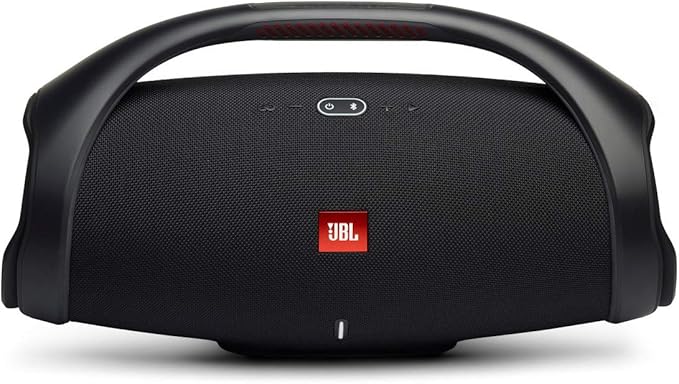
JBL vs Marshall: Overview & Brand Philosophy
In the portable and home audio landscapes, few brand match-ups present as stark an aesthetic and acoustic contrast as JBL and Marshall. JBL, a cornerstone subsidiary of Harman International (now owned by Samsung), traces its heritage back to the golden era of American sound engineering under founder James B. Lansing. Over the past two decades, JBL has pivoted aggressively toward mainstream dominance, establishing itself as the quintessential modern lifestyle audio brand. Its philosophy centers on robust utility, cutting-edge digital signal processing (DSP), and accessible, high-energy acoustic profiles designed to withstand the rigors of outdoor environments and modern streaming formats.
Marshall, conversely, operates under a licensing partnership with Sweden's Zound Industries to bring the iconic legacy of Jim Marshall’s British rock-and-roll amplification into the consumer audio space. Rather than pursuing hyper-futuristic designs or extreme ruggedization, Marshall trades heavily on vintage authenticity, tactile controls, and a stage-presence aesthetic. Wrapped in vinyl Tolex with fret-cloth grilles and brass accents, Marshall’s product line appeals to audiophiles, musicians, and design-conscious consumers who prioritize warmth, mid-range separation, and an analog feel over rugged, waterproof party features.
Key Differences & Technological Comparison
While both brands engineer exceptional transducers, their technological execution diverges fundamentally across several categories:
- Acoustic Tuning: JBL typically adopts the Harman Target Curve, emphasizing extended, punchy low-end response (boosted mid-bass and sub-bass) complemented by crisp highs. This makes JBL speakers exceptionally well-suited for modern electronic music, pop, and hip-hop. Marshall favors a more traditional stage sound, highlighting clear vocal mid-ranges, bright treble, and controlled, punchy bass that excels with rock, blues, jazz, and acoustic tracks.
- Physical Controls & User Interface: JBL relies heavily on modern sealed push-buttons and deeply integrated companion apps (such as the JBL Portable app) with multi-band digital EQ settings. Marshall, true to its amplifier heritage, equips most of its home and larger portable speakers with knurled brass analog knobs for volume, bass, and treble adjustment, offering immediate tactile customization without opening a smartphone.
- Weatherproofing & Build: JBL leads the industry in industrial-grade durability. Most of its portable line (Flip, Charge, Xtreme, Boombox) carries an IP67 rating, indicating complete dust resistance and the ability to survive full submersion in water. Marshall has made strides with portable models like the Willen and Emberton (offering IP67 ratings), but its core home lineup (Acton, Stanmore, Woburn) features zero water resistance, utilizing MDF wood enclosures meant strictly for interior placement.
- Multi-Speaker Ecosystems: JBL has transitioned through several proprietary multi-speaker linking technologies (JBL Connect+, PartyBoost, and now Auracast via Bluetooth 5.3), allowing dozens of compatible units to link together seamlessly. Marshall utilizes a "Stack Mode" on select portable units, allowing users to physically amplify their soundstage by chaining units, alongside standard Bluetooth multi-host switching.
Pros & Cons Comparison
JBL: Advantages
- Market-leading ruggedness, with shock-absorbent end-caps and robust IP67 water/dust-proofing on nearly all portable models.
- Dynamic, energetic sound signature with deep bass resonance facilitated by dual external passive radiators.
- Built-in power bank functionality standard on mid-to-large portable models (e.g., JBL Charge series).
- Cutting-edge Bluetooth connectivity with broad industry rollout of Auracast broadcast audio.
JBL: Disadvantages
- Aesthetic design can feel overly utilitarian, sporty, or juvenile in sophisticated interior spaces.
- Inconsistent multi-speaker compatibility across older hardware generations (e.g., Connect+ vs. PartyBoost vs. Auracast).
- Treble and upper mids can sometimes exhibit digital harshness at maximum volume levels.
Marshall: Advantages
- Unmatched retro aesthetic featuring high-grade textures, brass accents, and premium interior-friendly materials.
- Intuitive analog control knobs allow fine-tuning of frequency profiles on the fly.
- Exceptional mid-range definition, producing lifelike vocals and distinct electric and acoustic guitar separation.
- Multi-directional "True Stereophonic" audio architecture provides a wider sound dispersion from a single chassis.
Marshall: Disadvantages
- Premium price-to-performance ratio; consumers pay a noticeable margin for branding and aesthetics.
- The primary home speaker range lacks water resistance and portable battery power entirely.
- Bass response, while tight and accurate, lacks the sub-bass rumble desired by electronic music enthusiasts.
Performance, Durability & Value Analysis
From an acoustic durability and hardware resilience standpoint, JBL easily captures the pragmatic value proposition. The dense fabric wrap, reinforced rubberized housings, and sealed ports make JBL portable units virtually impervious to drops, sand, chlorine, and torrential rain. In torture tests, a JBL Charge or Flip can sustain accidental drops onto concrete with minimal acoustic penalty. Additionally, JBL’s internal lithium-ion power cells deliver exceptional longevity, often functioning consistently over hundreds of full-drain cycles while acting as dependable field chargers for secondary mobile devices.
Marshall delivers value through interior design longevity and acoustic accuracy rather than outdoor durability. A Marshall Stanmore or Woburn speaker serves as a functional acoustic centerpiece that integrates seamlessly alongside mid-century modern furniture, vinyl setups, and high-end living spaces. Its acoustic drivers are housed in rigid wooden cabinets rather than injection-molded plastics, yielding acoustic warmth and resonance that synthetic enclosures cannot replicate. However, dollar-for-dollar in decibel output and battery longevity, Marshall commands a premium surcharge driven by branding and design sophistication.
Final Verdict: Which Brand Should You Choose?
Your choice between JBL and Marshall comes down to your primary listening environment, aesthetic priorities, and musical taste:
Choose JBL if: You lead an active, outdoor-oriented lifestyle and need a speaker that travels from the living room to the pool, beach, or campsite without risk of damage. JBL is the definitive choice for listeners who want robust sub-bass performance, massive battery reserves, seamless multi-speaker party chaining, and rugged durability that can handle the elements without anxiety.
Choose Marshall if: Your speaker is intended primarily for the home, office, or styled living environment, and you view audio hardware as a piece of curated interior decor. Marshall is the superior pick for rock, indie, jazz, and classical enthusiasts who value tactile physical feedback, pristine mid-range instrumentals, vocal presence, and an iconic heritage aesthetic.
Product Selection
When evaluating product selection in the speaker market, JBL operates with an aggressive, broad-spectrum strategy designed to saturate virtually every consumer and professional audio tier. Powered by the extensive acoustic engineering resources of Harman International, JBL’s catalog ranges from ultra-compact, ultra-rugged micro-portables like the Clip and Go series to dominant mid-tier lifestyle cylinders such as the Flip and Charge, up to massive, high-output PartyBoxes and commercial-grade PA systems. From an engineering and feature standpoint, JBL prioritizes utilitarian versatility: high IP67 ingress protection ratings, ruggedized rubberized housings, proprietary multi-speaker daisy-chaining protocols (like PartyBoost and Auracast), and power-bank functionalities. This comprehensive spectrum ensures that whether a consumer needs an inexpensive, indestructible shower speaker, a high-SPL outdoor speaker, or an immersive home theater soundbar, JBL has an acoustically tailored solution engineered with specific durability metrics and modern DSP tunings.
Conversely, Marshall—produced in partnership with Zound Industries—adopts a curated, lifestyle-heritage approach that deliberately constrains its product selection to reinforce brand identity. Rather than engineering speakers for every extreme use case, Marshall bifurcates its catalog into high-design portable units (such as the Willen, Emberton, and Middleton) and dedicated mains-powered home audio cabinets (including the Acton, Stanmore, and Woburn). Marshall’s engineering strength lies in its iconic aesthetics and acoustic spatialization; their home units feature multi-driver, multi-amplifier bi-amped topologies housed in acoustic-suspension wooden cabinets, often equipped with analog-style brass potentiometers for tactile EQ adjustment. While their portable lineup has expanded to include water-resistant ruggedness, Marshall fundamentally avoids industrial utility form factors like commercial PA equipment or flashing light-show party speakers, focusing instead on delivering their signature "True Stereophonic" 360-degree sound architecture within a cohesive rock-and-roll visual language.
The practical trade-offs between these two product portfolios come down to application-specific utility versus stylistic cohesion. JBL’s exhaustive catalog grants consumers unmatched flexibility, offering highly specialized tools engineered with class-leading durability and modern outdoor performance metrics, though the sheer volume of overlapping model generations can complicate the buying decision. Marshall’s narrower portfolio sacrifices edge-case utility—you will not find high-powered battery-operated tailgate systems or clip-on mountaineering speakers in their lineup—in exchange for refined acoustic warmth, premium materials, and interior-design appeal. For consumers seeking sheer acoustic volume, ruggedized durability, and specialized niche form factors, JBL’s product selection is technically superior; for those who prioritize interior-friendly industrial design, tactile analog control, and consistent acoustic voicing across home and light portable environments, Marshall offers a far more deliberate and cohesive catalog.
Affordability
When evaluating affordability, JBL adopts a highly accessible, consumer-first pricing strategy that blankets the speaker market from ultra-budget portables to premium party units. Engineered with cost-to-performance optimization in mind, entry-level models like the JBL Go and Clip series deliver rugged IP67 waterproofing, durable injection-molded plastics, and punchy, consumer-tuned bass profiles for well under $100. By leveraging massive manufacturing scale and shared internal acoustic architectures across its lineup, JBL provides class-leading decibel output, modern Bluetooth protocols, and utility-driven features—such as integrated power banks and PartyBoost multi-speaker pairing—at price points that undercut most lifestyle competitors. The engineering priority here is maximum functional endurance per dollar spent, making the initial investment low and the cost-to-utility ratio exceptionally high.
Conversely, Marshall operates in a premium tier where "affordability" is defined by industrial design prestige, premium tactile materials, and audiophile-leaning tuning rather than low entry pricing. Even Marshall’s smallest portable offerings, such as the Willen and Emberton, carry price tags that frequently exceed equivalent or louder JBL counterparts like the Flip or Charge. This premium overhead accounts for specialized analog-style hardware controls, multi-directional stereo acoustic arrays, and an aesthetic defined by vinyl texturing, brass accents, and woven fret grilles. While Marshall speakers provide solid engineering—such as robust battery management and dedicated Class-D amplifiers—the buyer is paying a considerable markup for vintage stage-amp styling and brand cachet rather than raw waterproof durability or raw acoustic output.
From a practical consumer standpoint, the trade-offs clearly position JBL as the definitive winner in baseline affordability and functional value. A budget-conscious user purchasing a JBL speaker secures high water resistance, impact-resistant drop protection, and aggressive bass delivery suitable for demanding outdoor use. Choosing Marshall requires accepting a higher financial barrier to entry and lower utilitarian resilience, trading environmental ruggedness for a sophisticated living-space showpiece with balanced mid-range fidelity. For pure acoustic capability and feature set relative to retail cost, JBL provides significantly greater economic value, whereas Marshall demands an aesthetic surcharge that only design-conscious audio enthusiasts can financially justify.
Quality/Durability
When evaluating build quality and durability, JBL and Marshall approach speaker engineering from fundamentally divergent design philosophies. JBL prioritizes extreme ruggedness and environmental resilience, engineering its portable lineups—such as the Charge, Flip, and Xtreme series—with dense thermoplastic elastomer framing, high-tensile fabric grilles, and robust internal shock-dampening. Almost universally certified with IP67 or IPX4 ratings, JBL speakers are impervious to fine dust ingress and can withstand complete submersion in water, making them the superior choice for outdoor, poolside, and high-impact use. Internally, JBL employs ruggedized transducer mounts and rubber-gasketed electronics that reliably survive physical drops and thermal stress, presenting a technical baseline geared entirely toward survivability in harsh, real-world conditions.
Conversely, Marshall emphasizes heritage-grade mechanical craftsmanship and premium material selection, designing speakers that excel in indoor longevity rather than outdoor survival. Drawing inspiration from classic guitar amplifiers, Marshall utilizes rigid, acoustically inert wood (MDF) cabinets wrapped in textured vinyl (Tolex), framed with solid brass accents and classic fret cloth. From a tactile engineering perspective, Marshall outperforms JBL through the use of weighted, analog potentiometer dials for volume, bass, and treble, as well as heavy-duty brass power toggles that offer superior mechanical feedback and longevity compared to JBL’s membrane-sealed push buttons. However, this aesthetic sophistication comes at the cost of technical environmental protection; while Marshall’s portable range (like the Emberton or Willen) includes IP67 silicone sleeves, their flagship home lineup (such as the Stanmore and Woburn) lacks all dust and water ingress protection, leaving exposed wooden enclosures and delicate electronic ports vulnerable to liquid damage and moisture wear.
Ultimately, the practical trade-off between the two brands centers on whether durability is measured by environmental survival or the structural integrity of a permanent audio centerpiece. JBL delivers utilitarian, abuse-proof engineering designed to be dropped on concrete, caked in sand, and washed off in the sink, yet its synthetic rubberized finishes can eventually degrade or become sticky after years of intense UV and oil exposure. Marshall, by contrast, trades off-grid survivability for long-term chassis stability; its heavy-gauge enclosures eliminate the internal cabinet resonance and plastic fatigue common in lightweight speakers over decades of sustained high-volume playback. For users requiring absolute weatherproofing and physical impact resistance, JBL is the objective victor, while Marshall remains the superior choice for consumers seeking furniture-grade structural durability and premium mechanical components.
Sound Quality
When evaluating sound quality, JBL and Marshall diverge significantly in acoustic engineering philosophy and intended auditory experience. JBL leans into a modern, mass-appeal acoustic profile engineered around dynamic range, punchy bass, and high-energy delivery. Leveraging proprietary transducers and dual passive radiators—a hallmark of their portable lines like the Charge and Xtreme—JBL produces an authoritative low-end that does not distort even at high output thresholds. Their sound signature features a sculpted V-shape: elevated sub-bass for visceral impact, slightly recessed lower midranges, and crisp, elevated trebles. This tuning is mathematically optimized for modern digital genres such as hip-hop, electronic, and pop, as well as outdoor environments where low frequencies tend to dissipate quickly without aggressive driver excursion.
In contrast, Marshall—inheriting its sound design from decades of legendary guitar amplification—prioritizes analog warmth, mid-frequency richness, and organic instrumentation. Utilizing custom-tuned dynamic drivers powered by Class-D amplifiers, Marshall speakers such as the Stanmore and Emberton emphasize vocal clarity, guitar timbre, and acoustic resonance. The frequency response is notably flatter and more musical through the critical midrange, avoiding the artificially boosted synthetic bass that characterizes many modern competitors. Moreover, higher-end Marshall units feature multi-directional stereo architecture (such as their proprietary True Stereophonic technology), which throws sound 360 degrees to create a wider, more natural soundstage that feels less directional than JBL's front-firing transducer arrays.
The ultimate trade-off between the two brands centers on acoustic environment and personal listening priorities. JBL delivers superior SPL (Sound Pressure Level) efficiency and bass extension, making its sound profile resilient against ambient noise and ideal for open-air, dynamic playback. However, critical listeners may find JBL’s digital signal processing (DSP) somewhat heavy-handed, resulting in compression at the highest volumes and a clinical representation of live instruments. Marshall excels in dynamic warmth and acoustic fidelity, providing a far more immersive experience for rock, jazz, and indie arrangements, further augmented by physical analog bass and treble knobs that offer intuitive acoustic tailoring. Consequently, consumers seeking hard-hitting bass and robust outdoor volume will favor JBL's engineering, while audiophiles who prioritize mid-range separation, natural vocal timbre, and classic soundstage coherence will find Marshall superior.