JBL vs Triangle: Overview
Comparing JBL and Triangle helps you determine which brand is best suited for your needs in Speakers. Both brands offer strong choices depending on your budget and key feature requirements.
Key Features & Comparison
Evaluate factors such as build quality, warranty, customer satisfaction, and total value before making your final purchase choice between JBL and Triangle.
Product Selection
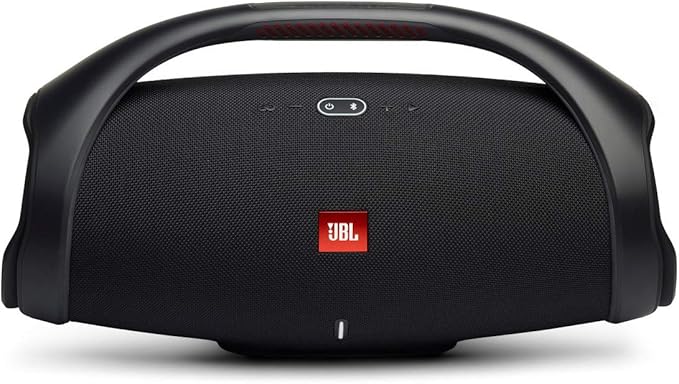
JBL offers one of the most expansive and diversified product catalogs in the global audio industry, catering to virtually every tier of listener. Their lineup ranges from rugged, ultra-portable Bluetooth speakers like the Clip and Flip series to massive battery-powered party units with integrated light shows, mid-range home theater soundbars, and high-end architectural systems like the JBL Synthesis and Classic studio monitor lines. This vast scope allows JBL to target mass-market lifestyle consumers alongside professional studio engineers and high-fidelity enthusiasts, providing solutions that emphasize wireless connectivity, smart ecosystems, and extreme mobility.
In stark contrast, French manufacturer Triangle focuses strictly on the specialized traditional Hi-Fi and premium home audio sectors. Rather than diversifying into utilitarian portable audio, Triangle concentrates its engineering resources on passive floorstanding and bookshelf speakers across dedicated series like the Borea, Esprit Ez, and flagship Magellan, alongside modern powered options such as the Borea Active (BR03 BT) and AIO streaming systems. Triangle’s catalog is intentionally boutique and focused, prioritizing stereo imaging, multi-channel theater acoustics, and interior aesthetics over the go-anywhere, lifestyle-oriented variety that defines JBL's broader business model.
Affordability
JBL dominates the entry-level and mass-market affordability metrics, engineered to provide maximum functionality and volume per dollar. Consumers can acquire reliable, weather-resistant JBL Bluetooth speakers for well under one hundred dollars, while their consumer-grade soundbars and party speakers sit at accessible mid-market price points that undercut audiophile brands. Even when examining their dedicated passive Hi-Fi options, JBL leverages the massive manufacturing scale of parent company Harman (Samsung) to maintain competitive pricing, making advanced features like multi-speaker daisy-chaining and digital signal processing available to budget-conscious buyers.
Triangle positions itself in the mid-to-ultra-high-end audiophile bracket, meaning its barrier to entry is significantly higher than JBL's consumer tier. While the entry-level Borea line is widely lauded as one of the best value propositions in affordable Hi-Fi, it still requires a dedicated investment in external amplification or a higher upfront spend for powered models compared to standard consumer electronics. Triangle does not compete in the sub-$100 lifestyle segment; instead, its pricing reflects European acoustic engineering, premium furniture-grade cabinet finishes, and proprietary transducer development aimed at audio enthusiasts rather than casual listeners.
Quality/Durability
In terms of durability, JBL’s consumer catalog is engineered to withstand extreme physical abuse, environmental exposure, and heavy travel. Most of their portable enclosures feature high-density IP67-rated waterproof and dustproof silicone housings wrapped in heavy-duty acoustic fabric, capable of withstanding submersion, drops, and outdoor elements. On the higher-end domestic side, JBL’s Classic and Synthesis monitors utilize robust MDF construction with vintage wood veneers and heavy cast-frame woofers that exhibit industrial-grade reliability, though the mass-market plastic models prioritize rugged resilience over artisan-level luxury.
Triangle prioritizes structural acoustic integrity and artisanal mechanical construction over outdoor weatherproofing. Their enclosures are stationary works of craftsmanship, utilizing high-density fiberboard (HDF), extensive internal brace systems with high-density EVA foam gaskets (such as their proprietary DVPA system), and multi-layered piano lacquer or rich wood grain veneers. Triangle components are designed for domestic longevity rather than portable survival; their horn-loaded titanium tweeters and cellulose pulp midrange drivers are delicate acoustic instruments that require careful handling, offering exceptional long-term stability in controlled indoor environments.
Sound Quality
JBL’s sound profile is famously energetic, punchy, and dynamic, anchored by what is universally recognized as the "JBL Signature Sound." This tuning features a prominent, authoritative low-end response, forward lower-mids, and crisp highs designed to cut through open-air ambient noise and flatter contemporary genres like hip-hop, electronic, and pop. On their audiophile models, JBL employs compression drivers mated to High-Definition Imaging (HDI) horns, delivering expansive dynamics, massive transient impact, and low distortion even at ear-splitting sound pressure levels, though purists sometimes find the consumer tuning overly bass-heavy.
Triangle approaches acoustic reproduction with an emphasis on speed, micro-detail, and spatial openness, famously centered on their proprietary horn-loaded tweeters and untreated cellulose pulp midrange drivers. This combination yields an exceptionally airy, fast high-frequency response with lifelike vocal presence and precise instrument separation that excels with acoustic, classical, and jazz recordings. While Triangle’s bass is remarkably tight and rhythmically articulate, it avoids the artificial low-end elevation common in JBL’s lifestyle products, resulting in a more revealing, neutral, and holographic soundstage that rewards careful room placement.