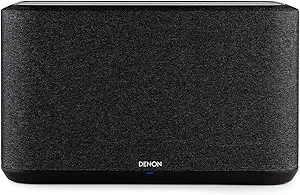







Denon vs Audio Pro: Overview & Brand Philosophy
In the expansive landscape of modern home audio, few matchups highlight the divergence between classical engineering heritage and contemporary lifestyle acoustics quite like Denon versus Audio Pro. Denon, a titan of Japanese audio engineering with roots dating back to 1910, built its reputation on uncompromising high-fidelity equipment, pioneering early digital audio formats, and mastering modern multi-channel AV receivers. In the speaker domain—specifically through its Home series and associated wireless offerings—Denon leverages its proprietary HEOS ecosystem to deliver high-resolution playback, integration with complex home cinema setups, and an acoustic signature focused on neutrality, dynamic headroom, and technical precision.
Conversely, Audio Pro represents the zenith of contemporary Scandinavian acoustic design. Founded in Sweden in 1978, the company made its initial mark through proprietary subwoofer technologies before pivoting dramatically to dominate the premium wireless and multi-room speaker categories. Audio Pro approaches speaker design through a minimalist, design-conscious lens, utilizing tactile materials such as real leather, solid aluminum, and textured fabric wraps. Their audio philosophy prioritizes astonishing bass extension from compact enclosures, engaging musicality, and straightforward ease of use, appealing directly to modern consumers who demand aesthetic sophistication alongside audiophile-grade wireless performance.
While both brands operate comfortably in the premium consumer tier, they cater to fundamentally distinct user expectations. Denon views its speakers as strategic nodes within a unified, whole-home audio architecture capable of scaling from a single bedroom speaker to a fully discrete 9.2-channel home theater setup. Audio Pro treats each unit as a self-contained acoustic instrument and design piece, engineered to look stunning on a credenza while outputting sound that punches far above its physical volume. Understanding this fundamental philosophical divide is essential when choosing between the two.
Key Differences & Technological Comparison
The technological architectures of Denon and Audio Pro diverge across several critical vectors: multi-room ecosystem stability, acoustic tuning, hardware versatility, and user interface design.
Ecosystem & Networking: Denon’s core strength lies in its HEOS platform. HEOS is an enterprise-grade multi-room protocol that allows Denon Home speakers to interface seamlessly with Denon and Marantz AV receivers, soundbars, and network amplifiers. It supports uncompressed high-resolution streaming up to 24-bit/192kHz FLAC, WAV, and ALAC, as well as DSD 2.8/5.6MHz tracks. Audio Pro, while offering robust multi-room capabilities via the Audio Pro Control app, relies heavily on universal platforms such as Apple AirPlay 2, Google Cast, and Spotify Connect alongside standard Wi-Fi and Bluetooth. While Audio Pro’s network setup is intuitive, it lacks the expansive ecosystem integration that allows Denon to anchor massive, mixed-hardware custom installations.
Driver Engineering & Acoustic Tuning: Audio Pro is renowned for its proprietary "ACE-Bass" (Amplifier Controlled Euphonic Bass) technology, which digitally and electromechanically drives compact woofers to produce low-end frequencies normally associated with much larger cabinets. The resulting soundstage is warm, punchy, and highly musical with a rhythmic drive that flatters modern streaming genres. Denon takes a more analytical, studio-adjacent approach. Denon Home speakers employ custom-designed dynamic drivers paired with dedicated Class-D amplification per driver channel, tuned to minimize distortion across a broad dynamic range. Denon delivers a flatter, more revealing frequency response with superior vocal separation and an expansive upper-midrange that excels with orchestral pieces, live jazz, and home theater dialogue.
Industrial Design & Connectivity: Denon embraces a sleek, monolithic aesthetic. Its speakers feature wrapped acoustic fabric, water- and stain-resistant finishes, and capacitive glass-top touch panels with proximity sensors that illuminate upon approach. Audio Pro rejects plastic-forward trends in favor of timeless Nordic functionalism: embossed leather carry handles, physical milled-aluminum control knobs, and exposed driver arrays that celebrate analog tactile feedback. In terms of physical inputs, Audio Pro frequently includes RCA and 3.5mm analog inputs along with dedicated sub-outs on desktop models (like the C10 MkII and Addon series), whereas Denon emphasizes USB-A local media playback, 3.5mm auxiliary jacks, and network routing.
Pros & Cons Comparison
Denon
- Pro: Seamless integration into the HEOS ecosystem, allowing pairing with AV receivers and multi-room audio zones.
- Pro: Native support for high-resolution audio files, including 24-bit FLAC, ALAC, and DSD playback.
- Pro: Capacitive touch controls with proximity detection and quick-select preset buttons.
- Pro: Ability to configure speakers as dedicated wireless rear surrounds for compatible Denon soundbars.
- Con: Proprietary HEOS app interface can feel utilitarian and less intuitive than mainstream platforms.
- Con: Conservative aesthetic design lacks the distinct, furniture-grade flair of Scandinavian rivals.
Audio Pro
- Pro: Exceptional bass performance and dynamic punch relative to physical cabinet size.
- Pro: Award-winning Scandinavian design utilizing real materials like leather, wood, and solid metal.
- Pro: Broad compatibility across AirPlay 2, Google Cast, and Bluetooth alongside native Wi-Fi.
- Pro: Tactile physical controls and dedicated subwoofer outputs on multiple standalone models.
- Con: Lacks an integrated home-theater ecosystem or direct compatibility with standalone AV receivers.
- Con: Limited native ultra-high-resolution decoding (e.g., native DSD) compared to specialized hi-fi setups.
Performance, Durability & Value Analysis
From an acoustic endurance and manufacturing standpoint, both brands deliver top-tier reliability, though their structural approaches reflect their heritage. Audio Pro speakers excel in physical resilience due to their heavy MDF enclosures and mechanical switchgear. By utilizing traditional, high-grade potentiometers and tactile push-buttons rather than complex touch-glass panels, Audio Pro designs are less susceptible to capacitive interface degradation over long service lives. In performance tests, Audio Pro maintains exceptional low-end clarity even when driven near maximum output, though their smaller units can introduce mild digital signal processing (DSP) compression at peak volumes to protect the excursion-heavy drivers.
Denon delivers superior performance consistency across varied acoustic environments. Its DSP is meticulously calibrated for linear sound dispersion, ensuring an expansive sweet spot that does not narrow drastically off-axis. In terms of value analysis, Denon provides higher utility per dollar for homeowners already invested in, or planning to build, an expansive multi-channel AV ecosystem. Audio Pro, meanwhile, commands a slight price premium strictly tied to its exterior finishes and boutique design. However, it offsets this cost by delivering room-filling, standalone performance that frequently eliminates the immediate need to purchase a secondary external subwoofer for casual listening.
Final Verdict: Which Brand Should You Choose?
Your choice between Denon and Audio Pro ultimately hinges on whether your listening habits prioritize modular home-entertainment integration or standalone design-forward musicality.
Choose Denon if: You want a reliable, high-resolution audio setup that seamlessly bridges the gap between whole-home wireless streaming and a high-performance home cinema. Denon is the clear winner for listeners who stream lossless local files, value surgical acoustic precision, or already own a HEOS-enabled receiver or soundbar that requires wireless satellite extension.
Choose Audio Pro if: You prioritize expressive bass, tactile mechanical design, and a speaker that complements high-end interior decor. Audio Pro is ideal for apartment dwellers, design enthusiasts, and critical music listeners who want an all-in-one wireless solution that delivers deep, engaging, and dynamic sound across platforms like AirPlay 2 and Spotify Connect without feeling tethered to a complex home audio ecosystem.
Product Selection
When evaluating product selection between Denon and Audio Pro, consumers are presented with two distinctly divergent engineering philosophies and catalog scopes. Denon, a legacy titan in the audio industry, offers an expansive and technologically mature portfolio designed to anchor complex home audio ecosystems. Central to Denon's wireless speaker lineup is the Denon Home series (spanning the Home 150, 250, and 350, alongside dedicated soundbars and subwoofers), engineered with proprietary HEOS built-in technology. This lineup shines technically through its high-resolution audio decoding capabilities (supporting up to 192kHz/24-bit FLAC/WAV and DSD 5.6MHz) and seamless cross-compatibility with Denon’s class-leading AV receivers and Hi-Fi components. The practical strength of Denon's catalog lies in this deep architectural synergy; users can transition effortlessly from a standalone compact speaker in a bedroom to a fully integrated 7.2.4-channel home theater system in the living room, all controlled through a unified network protocol.
Conversely, Swedish manufacturer Audio Pro focuses on modern Scandinavian design aesthetics coupled with specialized acoustic engineering, boasting a broader variety of standalone, lifestyle-oriented form factors. Audio Pro’s product selection is divided across portable battery-powered units (such as the T3+ and A10), versatile desktop/bookshelf models (the Addon and C-series like the C5 and C10 MKII), and dedicated stereo floorstanding pairs (the A-series, such as the A38). Audio Pro excels in acoustic tuning that defies cabinet dimensions, utilizing long-throw woofers and digital Class-D amplification designed to maximize bass response in compact chassis. Furthermore, their product range offers expansive technical connectivity options, frequently outfitting modern iterations with triple-wireless support—AirPlay 2, Google Cast, and their proprietary Audio Pro multiroom system—alongside physical RCA, optical, and dedicated subwoofer outputs. While Audio Pro lacks the comprehensive AVR and home theater component depth of Denon, it compensates by providing users with diverse stylistic finishes (real wood, leather handles, and textured fabrics) and robust portable capabilities that Denon's mains-powered Home series largely neglects.
Ultimately, the trade-off in product selection boils down to ecosystem integration versus acoustic and lifestyle versatility. Denon’s speaker catalog is tightly curated, prioritizing rock-solid multiroom synchronization, audiophile-grade network streaming, and flawless bridging between smart speakers and traditional home theater infrastructure. Audio Pro provides far more freedom in how and where speakers can be deployed, offering everything from battery-operated outdoor companions to TV-ready active stereo pairs that bypass the need for traditional amplification. Consumers seeking an expansive, whole-home audio architecture tethered to an AV command center will find Denon’s catalog superior, whereas those prioritizing aesthetic variety, high-performance standalone active stereo pairs, and portable form factors will be better served by Audio Pro's eclectic lineup.
Affordability
When assessing affordability in the premium wireless speaker landscape, Denon leverages the considerable manufacturing scale and platform synergy of its parent company, Sound United (now Masimo Consumer). Denon’s primary wireless speaker ecosystem, the Denon Home series, occupies an upper-midrange price bracket that initially appears to command a higher cost of entry compared to lifestyle-first alternatives. However, Denon justifies this pricing by engineering comprehensive, high-resolution acoustic systems built directly around its proprietary HEOS multi-room architecture. From a cost-to-feature perspective, buyers are investing in high-bandwidth platform capability—including gapless 192kHz/24-bit audio playback, native AirPlay 2, multi-channel surround integration with Denon AV receivers, and voice assistant compatibility without the need for additional peripheral hardware. The engineering trade-off for this technical sophistication is a rigid price floor; Denon rarely ventures into the true budget segment, meaning consumers must accept higher upfront expenditure for entry-level models like the Denon Home 150 to gain access to their cohesive, future-proof networked ecosystem.
Conversely, Swedish manufacturer Audio Pro approaches affordability through acoustic-first minimalism and Scandinavian industrial design, offering a broader and frequently more accessible financial spectrum. Audio Pro separates its lineup across pure Bluetooth solutions, like the T-series, and multi-room network speakers, such as the C-series and A-series. By deliberately omitting redundant smart features like integrated microphones, voice assistants, and heavy software layers in many of their models, Audio Pro funnels manufacturing capital directly into Class D amplification, long-throw woofers, and rigid real-wood veneer cabinets. This pragmatic engineering philosophy allows their entry- and mid-tier speakers, such as the Addon C5 or T3+, to deliver class-leading, low-distortion acoustic output per dollar spent. While Audio Pro provides superior bass response and tactile aesthetic value at lower price thresholds, the affordability compromise lies in its software environment; the proprietary Audio Pro streaming app lacks the enterprise-grade stability, comprehensive third-party smart home integrations, and wide ecosystem compatibility inherent to Denon’s HEOS platform.
Ultimately, the practical trade-offs regarding affordability between these two brands depend on whether a buyer prioritizes ecosystem integration or pure acoustic value. Audio Pro represents the superior choice for cost-conscious audiophiles seeking maximum acoustic performance, premium tactile materials, and versatile portability without paying a premium for integrated smart assistants and complex network chips. Denon, while carrying a higher overall ticket price and fewer budget-oriented form factors, delivers superior long-term technical value for consumers planning comprehensive home theater integration or whole-home audio installations. With Denon, the investment amortizes favorably over time through higher software reliability, frequent firmware updates, and the operational advantage of unifying standalone wireless speakers with traditional AV components under a single HEOS umbrella.
Quality/Durability
When assessing engineering quality and build durability, Denon and Audio Pro take fundamentally different yet equally compelling approaches rooted in their respective brand heritage. Denon, backed by over a century of Japanese audio engineering and now operating under the Masimo Consumer (formerly Sound United) umbrella, designs its speakers—such as the Denon Home series—with an industrial-grade focus on continuous electronic duty and acoustic rigidity. Utilizing heavy-duty, low-resonance composite enclosures reinforced with internal bracing, Denon builds products that effectively suppress structural vibration while standing up to the thermal rigors of high-output digital amplification. Conversely, Sweden-based Audio Pro crafts its cabinets utilizing traditional Scandinavian loudspeaker design principles, featuring real-wood veneers, dense medium-density fiberboard (MDF) cores, and tactile accents like embossed leather handles and solid-machined aluminum knobs. While Denon favors sleek, seamless, wrap-around acoustic fabrics and water-resistant physical interfaces geared toward modern utilitarian spaces, Audio Pro approaches durability as a blend of acoustic cabinet mass and high-end, furniture-grade material resistance, making their speakers physically sturdier against cabinet flexing.
From an internal technical perspective, both brands deploy distinct component-level strategies that heavily impact long-term reliability. Denon holds the upper hand in network longevity, thermal management, and firmware stability. Leveraging their mature proprietary HEOS platform, Denon’s internal digital signal processing (DSP) arrays and dual-band Wi-Fi architecture demonstrate exceptional resilience against modern firmware deprecation and high-throughput connection degradation. Moreover, Denon's speaker drivers feature high-excursion polymer cones coupled with rubber surrounds that resist humidity and material decay over decades of playback. In contrast, Audio Pro focuses on raw acoustic mechanics, pairing custom long-throw woofers and treated textile dome tweeters with optimized class-D digital amplifiers tuned for transient dynamics. However, Audio Pro’s hardware controls—particularly physical rocker switches and real-leather straps—though undeniably premium to the touch, represent minor mechanical wear-points over extended daily handling when compared to Denon’s capacitive, sealed glass-like top panels with integrated proximity sensors.
Ultimately, the practical trade-off between the two brands comes down to localized physical wear versus technological longevity. Consumers operating in high-moisture environments, such as kitchens or bathrooms, will find Denon’s sealed, humidity-resistant construction and uniform internal assembly superior in mitigating environmental breakdown. The Home series' moisture-sealed switches and robust heatsinks ensure long-lasting performance under challenging microclimates. On the other hand, Audio Pro is the preferred choice for those seeking tactile, analog-like durability that ages gracefully in living environments; their dense acoustic wood shells withstand accidental impacts better than typical plastic composites, and their modular approach to physical inputs often allows for basic hardware servicing. While Audio Pro dominates in exterior, physical material integrity that mimics high-end artisanal furniture, Denon excels in sustained internal component health, rigorous environmental tolerance, and seamless network durability over years of continuous smart-ecosystem use.
Sound Quality
When evaluating sound quality, Denon and Audio Pro take fundamentally different acoustic approaches, stemming from their respective heritage in high-fidelity home theater and minimalist Scandinavian audio engineering. Denon's acoustic signature leans toward a warm, full-bodied, and expansive presentation. Leveraging decades of AV receiver and transducer development, Denon integrates robust class-D amplification with custom soft-dome tweeters and high-excursion woofers that excel in vocal intelligibility and mid-range warmth. Their HEOS-enabled smart speakers deliver exceptional dynamic range with a heavy, authoritative low end, making them ideal for modern production styles and cinematic immersion. However, this bass-forward warmth can occasionally veil hyper-fine upper-register details and introduce slight mid-bass bloom in smaller, acoustically untreated rooms.
Conversely, Audio Pro delivers a studio-grade, analytical sound profile characterized by remarkable sonic transparency and class-leading low-end agility. The Swedish manufacturer specializes in proprietary digital signal processing (DSP) coupled with specialized long-throw woofers, which allows surprisingly compact enclosures to produce deep, articulate, and punchy sub-bass without muddying the midrange. Audio Pro speakers showcase exceptional transient response, airy highs, and laser-precise instrumental separation, excelling across complex acoustic arrangements, jazz, and classical genres. While Denon fills vast open spaces with broad, room-saturating sound dispersion, Audio Pro provides a tighter, more critical sweet spot that rewards intentional listening with superior stereo imaging.
The practical trade-offs in sound quality ultimately center on sonic coloration versus pure acoustic fidelity. Listeners who prefer an energetic, non-fatiguing, and powerful sound with forgiving performance across low-bitrate streams will find Denon’s rich, bass-reinforced tuning highly satisfying. On the other hand, critical listeners seeking honest musical reproduction, textured low frequencies, and uncolored neutrality will favor Audio Pro's precision-tuned drivers, provided they are willing to accept a slightly less forgiving profile on poorly mastered source material.