RCA vs Cafe: Overview & Brand Philosophy
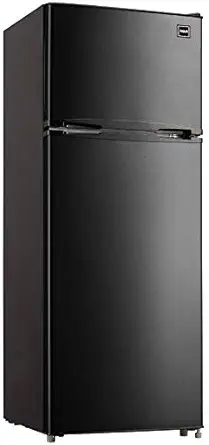
When shopping for a refrigerator, few comparisons demonstrate the vast spectrum of the modern appliance market quite like RCA versus Café. RCA (Radio Corporation of America) is a heritage American trademark that today operates primarily through brand licensing, delivering ultra-budget-friendly, functional cooling solutions. RCA focuses predominantly on compact, retro-styled, and basic top-freezer units designed for consumers seeking essential refrigeration without the premium price tag. Their philosophy centers on utility, affordability, and accessibility, making them staples in dorm rooms, garages, small apartments, and secondary entertainment spaces.
In contrast, Café is a luxury sub-brand of GE Appliances (a Haier company), crafted specifically to bring high-end, restaurant-inspired aesthetics and smart home integration to modern residential kitchens. Café operates under a philosophy where appliances are treated as focal design statements rather than merely utilitarian workhorses. Known for its distinct finishes and customizable hardware, Café appeals to design-forward homeowners, culinary enthusiasts, and luxury renovators who demand advanced food preservation, artisanal craftsmanship, and the latest connected appliance technology.
Ultimately, these two brands cater to entirely different market segments. RCA answers the call for entry-level, uncomplicated cooling, whereas Café competes in the attainable luxury sector, directly challenging built-in premium brands. Understanding this fundamental philosophical divide is essential when evaluating which brand aligns with your spatial requirements, aesthetic desires, and budget constraints.
Key Differences & Technological Comparison
The technical architecture separating RCA and Café spans mechanical components, climate management, smart connectivity, and aesthetic personalization.
Compressor and Cooling Technology: RCA relies on standard single-compressor, single-evaporator systems with basic mechanical or simple electronic thermostats. Air is circulated between the freezer and fresh food compartments via passive or low-output fan circulation, which can lead to minor temperature fluctuations and scent transfer. Café employs advanced variable-speed inverter compressors paired with dual or triple evaporators (such as the TwinChill system). This ensures that the freezer maintains dry, freezing conditions to prevent freezer burn, while the fresh food compartment maintains optimal humidity levels for produce longevity.
Smart Connectivity and Features: RCA units remain intentionally analog, generally devoid of Wi-Fi modules, touchscreens, or automated sensors. This simplicity reduces potential electronic failure points. Conversely, Café integrates full Wi-Fi capability via the SmartHQ ecosystem. Users can remotely adjust temperatures, receive door-ajar notifications, monitor water filter status, and even integrate voice commands through Amazon Alexa or Google Assistant. Select Café models also include advanced features like auto-sensing water dispensers, hot water brewing with Keurig K-Cup compatibility, and LED light walls that illuminate every corner of the interior.
Build Quality and Material Finish: RCA frequently uses lightweight sheet metals, plastic interiors, and standard powder-coated or vinyl wraps, with a heavy emphasis on retro vibrant colors or standard black and white. Café showcases commercial-grade heavy-gauge stainless steel, platinum glass exteriors, soft-close drawers, and backlit interior walls. Furthermore, Café offers bespoke customization, allowing buyers to select base finishes (Matte White, Matte Black, or Stainless) and pair them with custom hardware finishes including Brushed Bronze, Copper, Black, and Brass.
Pros & Cons Comparison
RCA
- Pros:
- Extremely low upfront purchase cost.
- Compact footprints ideal for small spaces, studios, and dorms.
- Mechanical controls are simple to operate and inexpensive to repair.
- Eye-catching retro aesthetic options available in compact sizes.
- Cons:
- Limited storage capacity and lack of full-size French door formats.
- Single-evaporator cooling leads to higher temperature variance.
- Basic plastic components inside lack long-term durability.
- No smart home functionality or advanced water/ice filtration systems.
Café
- Pros:
- Showpiece design with customizable hardware and luxury finishes.
- Dual-evaporator systems provide precise humidity and climate management.
- Rich feature set including hot water dispensers and SmartHQ connectivity.
- Sturdy, commercial-grade materials inside and out.
- Cons:
- Significantly higher purchase price and costly replacement parts.
- Complex electronics introduce more potential failure points over time.
- Large dimensions are unsuitable for micro-apartments or tight spaces.
Performance, Durability & Value Analysis
From a performance perspective, Café vastly outperforms RCA in thermal stability, recovery time after door openings, and food preservation lifespan. Café's multi-flow air systems and independent cooling zones ensure delicate greens stay crisp days longer than they would in standard compartments. RCA units perform reliably for basic needs—keeping beverages cold and frozen meals solid—but lack the precise micro-climate management necessary for high-end culinary storage. In terms of noise, Café’s variable-speed compressors run whisper-quiet, whereas RCA units may feature noticeable cycling hums common in budget mechanical compressors.
When assessing durability and value, the distinction lies between consumable appliance economics and long-term capital investment. An RCA refrigerator costs a fraction of a Café unit, delivering outstanding initial value per dollar. However, their expected lifespan is typically 5 to 7 years, and the cost of servicing an RCA often exceeds the price of buying a new unit. A Café refrigerator represents a multi-thousand-dollar investment built for a 10- to 15-year lifecycle, supported by GE’s extensive North American service and parts network. While Café requires a significant financial commitment, its durable interior metals, robust glass shelving, and timeless aesthetic justify the investment for high-end homes.
Final Verdict: Which Brand Should You Choose?
Choosing between RCA and Café comes down to the role the refrigerator plays in your home, your spatial parameters, and your budget.
Choose RCA if: You are outfitting a college dorm, home office, bar area, garage, or rental property on a tight budget. If you require simple, plug-and-play refrigeration without needing advanced digital features, ice makers, or large multi-door configurations, RCA offers functional cooling and attractive retro designs at an unbeatable price point.
Choose Café if: You are remodeling a primary kitchen, building a custom home, or seeking an architectural appliance that anchors your interior decor. If you prioritize advanced food preservation, premium materials, customizable hardware, and modern smart home convenience, Café is the definitive choice that elevates both the functionality and value of your kitchen.
Features
When evaluating the feature landscape of refrigerators, RCA and Café represent polar extremes of the appliance spectrum, engineered for fundamentally divergent consumer needs. RCA positions itself squarely in the utilitarian, value-driven market, focusing almost entirely on foundational cooling performance without the complexity of modern smart features. Typical RCA refrigerators offer rudimentary feature sets: mechanical temperature control dials, static wire or basic glass shelving, manual or basic automatic defrosting, and reversible doors. Technical strengths for RCA lie in their mechanical simplicity; with fewer electronic sensors, microprocessors, or motorized dampeners, there are fewer technical failure points. However, this minimalist engineering means consumers forfeit humidity-controlled crisper environments, advanced air filtration, dual-evaporator cooling systems, and internal water dispensation, resulting in shorter produce shelf life and frequent temperature swings between cooling cycles.
Conversely, GE's luxury-tier Café brand treats refrigeration as both an aesthetic centerpiece and a technological hub, embedding advanced thermodynamic engineering and high-end conveniences into its units. Café refrigerators feature multi-zone independent temperature management, often driven by dual evaporators (TwinChill technology) that separate the airflow between the fresh food and freezer compartments to prevent odor transfer and optimize humidity. Their feature portfolio is vastly superior, showcasing hands-free AutoFill water dispensers, internal hot water dispensers with precise temperature presets, customizable LED backlighting walls, and integrated Wi-Fi powered by the SmartHQ platform. This connected ecosystem allows for remote temperature monitoring, door-ajar push notifications, and over-the-air software updates. Additionally, Café units feature specialized, convertible soft-freeze drawers with distinct temperature settings for meat, beverages, and deli items, vastly improving food preservation precision.
The practical trade-offs regarding features between these two brands crystallize around purchase intent, space constraints, and long-term ownership costs. RCA is the pragmatic choice for secondary spaces, dormitories, rental units, or buyers prioritizing budget and bare-bones reliability, as its lack of digital features significantly reduces future repair complexity and upfront costs. On the other hand, Café demands a substantial premium for its sophisticated feature set, which caters to culinary enthusiasts and design-conscious homeowners. While Café offers unparalleled usability, bespoke organization, and cutting-edge tech, its complex electronic valve systems, printed circuit boards, and integrated dispensers introduce a higher propensity for maintenance down the line. Ultimately, buyers must weigh RCA's robust, low-maintenance simplicity against Café’s state-of-the-art food preservation ecosystem and intelligent conveniences.
Performance
When evaluating performance, RCA and Café represent opposite ends of the refrigeration engineering spectrum, targeting vastly different consumer priorities and usage scenarios. RCA primarily designs entry-level, compact, and basic top-freezer units driven by single-speed reciprocating compressors and static or rudimentary air-vent cooling mechanics. In practical performance metrics, such as temperature pull-down speed, stability, and humidity retention, RCA delivers serviceable baseline cooling adequate for short-term preservation or secondary-space use (e.g., dorms, garages, or utility rooms). However, RCA units often exhibit noticeable temperature swings of 3 to 6 degrees Fahrenheit and lack sophisticated multi-zone airflow, which can result in localized hot spots near the doors and accidental freezing in rear compartments, leading to accelerated spoilage of delicate produce.
Conversely, Café—a premium brand under GE Appliances—delivers high-performance refrigeration powered by commercial-grade engineering. Most Café models integrate multi-evaporator architectures (such as the TwinChill dual-evaporator system) paired with variable-capacity inverter compressors. This structural design isolates the fresh food and freezer compartments entirely, preventing flavor transfer and maintaining the distinct humidity levels essential for long-term food preservation. Technically, Café's electronic thermistors and precise airflow management confine internal temperature fluctuations to under a single degree. This thermal consistency, combined with sealed humidity-controlled drawers, keeps produce crisp and avoids freezer burn, establishing a decisive operational advantage over standard mechanical-thermostat cooling systems.
From a technical and practical trade-off perspective, the performance divide extends into acoustics, energy efficiency, and functional features. RCA models rely on basic thermal insulation and continuous-cycle defrost timers, resulting in higher operational noise levels when the compressor kicks on and less uniform defrost cycles. In contrast, Café refrigerators utilize advanced acoustic dampening, adaptive defrost routines that only trigger during periods of low door usage, and innovative performance capabilities such as integrated Keurig K-Cup brewing systems and hands-free AutoFill water dispensers. While RCA achieves its objective of providing low-cost, essential cooling, Café represents an engineering-forward choice that maximizes food preservation accuracy, operational quietness, and smart functional performance.
Design
When evaluating the design philosophy of RCA against GE's luxury-tier Café brand, consumers are looking at two fundamentally disparate segments of the refrigeration market. RCA focuses primarily on utilitarian, space-saving engineering tailored for dorm rooms, secondary spaces, and budget-conscious living. Its design language is driven by minimalism and practical economy, relying on lightweight stamped metals, basic magnetic gaskets, and traditional smooth or textured finishes like standard white, black, or basic faux-stainless vinyled wraps. While RCA occasionally taps into retro styling with rounded corners and vintage-inspired chrome pull handles, the build quality remains decidedly entry-level. The hinges, leveling legs, and external components prioritize low-cost assembly over heavy-duty longevity, making RCA a functional choice where footprint and price dictate purchasing decisions rather than high-end aesthetic cohesion.
Conversely, Café represents the pinnacle of contemporary, design-forward consumer refrigeration, blending high-end industrial engineering with customizable aesthetics. Café units are characterized by flat-panel doors, counter-depth integration, and robust commercial-grade metals. The brand's defining design asset is its bespoke hardware program, which allows homeowners to pair matte white, matte black, or lustrous stainless steel bodies with interchangeable, heavy-gauge cast-metal handles in brushed bronze, copper, black, or brass. Beyond the exterior, Café's internal architecture is vastly superior: it features edge-to-edge LED light walls, thick glass shelving framed with metallic accents, soft-close crisper drawers, and precision-engineered flush hinges that facilitate a built-in silhouette without requiring expensive custom panel installation.
The practical trade-offs regarding design between these two brands highlight entirely different ownership priorities. RCA excels at straightforward space-efficiency and easy maneuverability, but it lacks the thermal insulation density, structural heft, and premium touchpoints required for a high-traffic, modern kitchen focal point. Café demands a substantial financial investment and careful spatial planning to accommodate counter-depth dimensions and ventilation clearances, yet it delivers unmatched engineering refinement, tactile durability, and architectural sophistication. Ultimately, RCA's design achieves maximum utility per square inch on a strict budget, while Café delivers a tailored, showroom-quality centerpiece designed for consumers who view home appliances as foundational elements of interior decor.