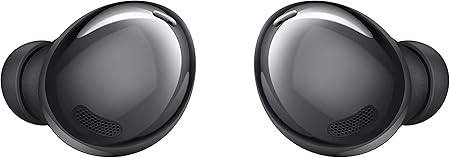
Samsung vs Philips: Overview
Comparing Samsung and Philips helps you determine which brand is best suited for your needs in Headphones & Earbuds. Both brands offer strong choices depending on your budget and key feature requirements.
Key Features & Comparison
Evaluate factors such as build quality, warranty, customer satisfaction, and total value before making your final purchase choice between Samsung and Philips.
Features
Samsung’s feature set is explicitly designed to maximize smart connectivity and contextual awareness, particularly when paired with Android and Galaxy devices. Models like the Galaxy Buds series feature sophisticated Active Noise Cancellation (ANC), multi-mic beamforming arrays for clear telephony, and proprietary software additions such as 360 Audio with head tracking, auto-switching between ecosystem hardware, and voice-detect pass-through modes. However, many advanced codecs, including the Samsung Seamless Codec (SSC), and deeper utility features remain locked within the Samsung Galaxy wearable ecosystem, somewhat reducing feature versatility for iOS or non-Galaxy users.
Philips, on the other hand, embraces an open, platform-agnostic approach to feature implementation across its headphone and earbud portfolios. While its companion apps and smart ambient features are generally more rudimentary than Samsung’s computational suite, Philips frequently equips its premium models, such as the Fidelio line, with high-tier standard Bluetooth codecs including LDAC, aptX HD, and multi-point Bluetooth pairing that functions uniformly across all operating systems. Rather than investing heavily in AI-driven ambient detection, Philips prioritizes physical utility, including dual-mode wired/wireless inputs, analog controls, and broad native compatibility across high-resolution playback hardware.
Performance
In terms of acoustic performance, Samsung relies heavily on psychoacoustic modeling and multi-driver earbud configurations tuned closely to the consumer-friendly Harman Target curve. Across modern Galaxy Buds, users can expect punchy, well-controlled sub-bass, clean mids, and a lively treble extension that delivers an energetic and engaging sound profile out of the box. Active Noise Cancellation performance is top-tier in the in-ear category, with digital signal processors that effectively suppress low-frequency rumble and mid-range chatter, making Samsung exceptionally strong for urban commuting and gym use.
Philips delivers a divergent sonic presentation, particularly in its over-ear and Fidelio offerings, which are celebrated for their natural timbre, expansive soundstage, and dynamic separation. Flagship models such as the Fidelio X-series or L-series utilize bespoke neodymium drivers that emphasize balanced, distortion-free reproduction without artificial frequency inflation. While Philips' true wireless earbuds occasionally trail Samsung in ultra-low-frequency noise cancellation depth and complex DSP algorithms, its high-end over-ear headphones outclass Samsung's in-ear roster in terms of sheer instrument separation, spatial coherence, and uncompressed acoustic fidelity.
Design
Samsung’s design language centers on high-precision miniaturization, biometric ergonomics, and cohesive industrial aesthetics. The Galaxy Buds portfolio is renowned for its ultra-compact, stemless jewel-case silhouettes, matte and gloss finishes, and discreet, low-profile in-ear fit. Samsung heavily utilizes durable, IPX7-rated water-resistant polycarbonate composites, ensuring their earbuds are rugged enough for rigorous exercise while maintaining a modern, pebble-like aesthetic. The emphasis is entirely on unobtrusive portability, lightweight wearability, and sleek consumer electronics minimalism.
Philips embraces a more tactile, material-driven aesthetic that often bridges traditional studio monitor design with contemporary luxury. Premium Philips headphones frequently showcase tactile materials such as Muirhead leather, aluminum framing, and breathable velour or memory-foam ear cushions designed for long-duration home listening sessions. On the portable side, Philips ranges from no-nonsense, utilitarian plastics in its entry-level products to refined, circular acoustic chambers in its flagship series. While less compact and travel-optimized than Samsung’s ultra-sleek earbud shells, Philips’ over-ear hardware provides superior long-term structural repairability, larger physical interfaces, and outstanding passive ear-cup isolation.