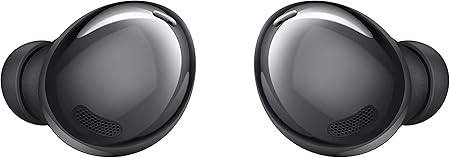






Samsung vs One Plus: Overview
Comparing Samsung and One Plus helps you determine which brand is best suited for your needs in Headphones & Earbuds. Both brands offer strong choices depending on your budget and key feature requirements.
Key Features & Comparison
Evaluate factors such as build quality, warranty, customer satisfaction, and total value before making your final purchase choice between Samsung and One Plus.
Features
In terms of feature sets and software capabilities, Samsung's Galaxy Buds family stands out through deep integration with One UI and a host of intelligent ambient listening modes. Key technical features include seamless auto-switching across Galaxy devices, 360 Audio with dynamic head tracking, and intelligent Active Noise Cancellation (ANC) that seamlessly toggles into Ambient Sound when voice detection registers user speech. Additionally, Samsung incorporates proprietary codecs such as Samsung Seamless Codec (SSC), allowing for 24-bit Hi-Res audio transmission on paired Galaxy devices, backed by comprehensive wireless charging (including Wireless PowerShare) and reliable IPX7 water-resistance ratings on their premium tiers.
OnePlus counters with an impressive array of hardware-centric utilities and open-standard versatility. Models like the OnePlus Buds Pro series feature dual-driver acoustic setups co-created with audio legends like Dynaudio, high-bitrate LHDC codec support, and personalized sound profiling through the Golden Sound test suite. OnePlus also dominates the charging department, utilizing ultra-fast Warp/SuperVOOC charge protocols that deliver up to ten hours of playback from mere minutes on the wire. While Samsung's software suite is optimized for its own garden, OnePlus offers greater flexibility for general Android users via the feature-rich HeyMelody app, making high-tier features widely available across devices.
Performance
Acoustic performance and signal processing demonstrate differing engineering philosophies between the two brands. Samsung relies on the Harman acoustic target curve curated by AKG engineers, producing a clean, neutral-to-warm sound signature characterized by articulate mid-range frequencies, sparkling treble detail, and well-behaved, non-fatiguing bass. The active noise cancellation on high-end Samsung earbuds is remarkably effective at attenuating low-frequency drone noise, paired with some of the most natural-sounding transparency modes on the market. Voice pickup quality is similarly pristine, aided by multi-microphone beamforming arrays and specialized bone-conduction voice pickup units (VPU).
OnePlus, on the other hand, engineers a punchier, more energetic acoustic presentation that leans toward impactful sub-bass and crisp, textured highs. The integration of dual drivers—often pairing a dynamic bass driver with a balanced armature or planar tweeter—allows OnePlus earbuds to deliver exceptional separation and dynamic range, especially on modern electronic and pop genres. In terms of ANC, OnePlus offers high raw decibel attenuation that rivals Samsung's top tiers, though its ambient pass-through mode can occasionally sound slightly more synthetic. Battery longevity often tilts in OnePlus's favor, particularly during active noise-canceling playback scenarios.
Design
From an industrial design standpoint, Samsung adopts a discrete, ergonomic approach focused on compactness and aerodynamic minimalism. Iconic iterations like the Galaxy Buds Pro series have largely eschewed the external stem form factor in favor of pebble-like or organic contour designs that nestle deeply inside the concha of the ear. This lower-profile geometry minimizes wind resistance during outdoor movement and provides a sleek, subtle aesthetic. Samsung complements this with compact, clamshell charging cases finished in premium matte textures, precision-engineered metal vents, and robust water-ingress defense architectures.
OnePlus pursues a more conventional, stem-based industrial design, but elevates it through striking two-tone aesthetics and distinctive metallic finishes. The use of NCVM (non-conductive vacuum metallization) on the stems of their pro models creates an eye-catching contrast against matte earbud bodies, while simultaneously functioning as touch-sensitive, squeeze-based control stems that reduce accidental inputs. The charging cases for OnePlus are generally pebble- or compact-soap-bar shaped, prioritizing pocketability, tactile magnetic lid feedback, and durable polycarbonates that hold up well against daily abrasion and drops.