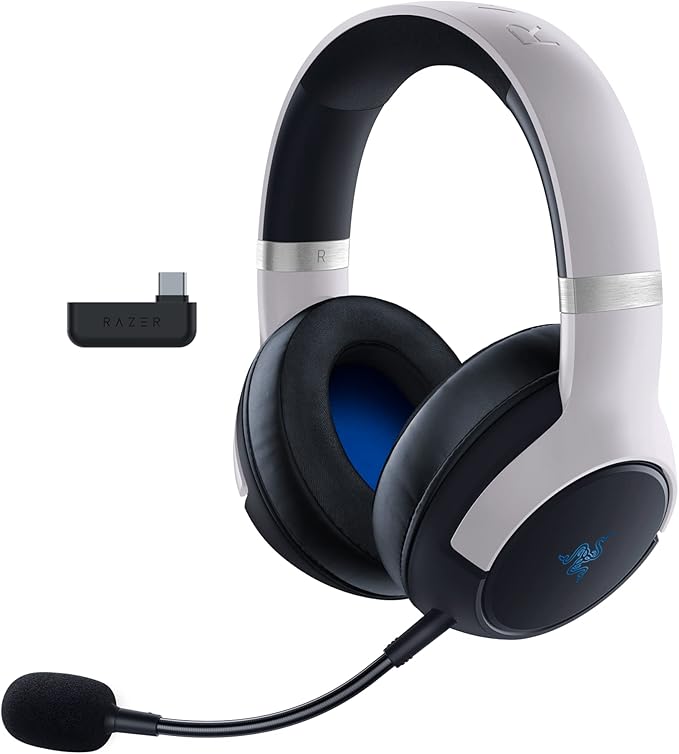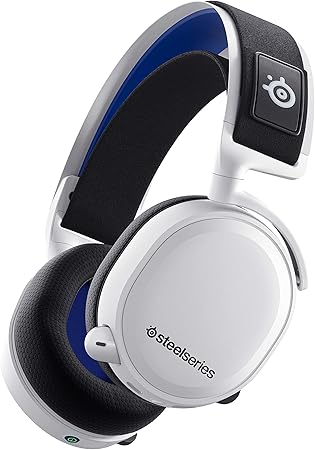







Razer vs SteelSeries: Overview & Brand Philosophy
In the competitive realm of gaming audio, Razer and SteelSeries stand as two of the most influential titans, each carving out a distinct identity through design philosophy, acoustic tuning, and target audience alignment. Razer, founded with a disruptive "For Gamers. By Gamers." ethos, has traditionally championed an aggressive, high-energy aesthetic combined with bass-forward sound signatures and bleeding-edge haptic technologies. While initially known primarily for lifestyle gaming peripherals, Razer has matured its audio portfolio significantly, engineering proprietary drivers and expanding from entry-level headsets into premium wireless esports gear and true wireless earbuds designed to seamlessly bridge mobile lifestyle and desktop battlestation demands.
Conversely, SteelSeries operates with a distinctly Scandinavian design philosophy centered on minimalism, ergonomic utility, and acoustic balance. Originating as a maker of tournament-grade esports surfaces, the Danish brand approached gaming audio with the perspective of functional elegance. The introduction of the celebrated Arctis line fundamentally disrupted the market by trading bulky, plastic gaming aesthetics for ski-goggle suspension headbands, subtle silhouettes, and high-fidelity sound engines. SteelSeries prioritizes broad dynamic range, communicative clarity, and cross-platform versatility, appealing not only to competitive players who need hyper-accurate positional cues, but also to multi-device professionals seeking clean, understated audio gear.
Today, the battle between Razer and SteelSeries represents a clash between immersive, feature-dense sensory experiences and disciplined, ergonomically driven engineering. While Razer pushes the envelope with advanced haptics, intense low-end response, and RGB-centric ecosystems, SteelSeries doubles down on multi-system connectivity, modular swappable batteries, and sophisticated parametric equalization. Both brands cater extensively to casual and competitive segments, yet their executions offer drastically different ownership experiences in comfort, acoustic fidelity, and daily practicality.
Key Differences & Technological Comparison
The acoustic engines defining these brands reflect fundamentally divergent philosophies. Razer relies heavily on its proprietary TriForce Titanium drivers (found across the BlackShark and Kraken V3 series), which divide the speaker into three distinct tuning ports for highs, mids, and lows. This hardware separation allows Razer to produce punchy, cinematic bass without severely masking dialogue or mid-frequency footsteps. SteelSeries, particularly in its flagship Arctis Nova lineup, incorporates custom-engineered High-Fidelity Neodymium drivers tuned for a flatter, more neutral curve. While Razer’s out-of-the-box profile is generally dynamic and bass-rich, SteelSeries delivers superior mid-range transparency and treble extension, which proves advantageous for critical competitive cues.
Software ecosystems play a monumental role in performance customization. SteelSeries Sonar, integrated into the SteelSeries GG suite, is arguably the most powerful desktop audio suite on the market. Sonar provides deep, pro-grade parametric EQ (PEQ) control alongside distinct audio routing channels for chat, game, and microphone, empowering users to dramatically reshape their sound profile with surgical precision. Razer Synapse provides robust customization, spatial audio toggles, and THX Spatial Audio calibration, but it generally lacks the granular, intuitive acoustic routing capabilities that Sonar offers to PC power users.
Microphone engineering also reveals a sharp contrast. SteelSeries utilizes its ClearCast bidirectional microphones, modeled after aircraft carrier communication arrays, which excel in hardware-level background noise cancellation and natural vocal reproduction. High-end SteelSeries models also benefit from ClearCast AI noise reduction via Sonar. Razer counters with its HyperClear Super Wideband and Cardioid mics. In its upper tier—specifically the BlackShark V2 Pro—Razer utilizes a higher sampling rate capture that produces a richer, broadcast-quality vocal tone, provided the environment is already reasonably quiet.
From an ergonomic and build perspective, SteelSeries favors lightweight steel or aluminum frames fitted with tension-adjustable ski-goggle suspension bands, distributing weight evenly across the skull to prevent localized pressure points. Their AirWeave fabric ear cushions offer excellent breathability for marathon sessions. Razer utilizes traditional clamped, padded headbands across its Kraken and BlackShark models, utilizing memory foam wrapped in hybrid leatherette and cooling-gel fabrics. While Razer provides superior passive noise isolation due to higher clamping force, SteelSeries generally leads in long-term, fatigue-free comfort.
Battery and connectivity innovations further separate the two. SteelSeries dominates convenience at the ultra-premium tier with its dual-battery swappable system in the Arctis Nova Pro Wireless, effectively eliminating downtime via an external base station charger. Razer focuses heavily on single-cell longevity, achieving market-leading standalone battery life metrics (up to 70 hours on select models) alongside proprietary ultra-low-latency 2.4GHz Razer HyperSpeed wireless technology.
Pros & Cons Comparison
Razer Audio
- Pros:
- Class-leading microphone fidelity on premium esports models (e.g., BlackShark V2 Pro).
- Exceptional standalone battery endurance across modern wireless headsets.
- Energetic, immersive out-of-the-box audio tuning with satisfying low-end impact.
- Tight passive acoustic seal via high-clamping force and hybrid ear cushions.
- Expansive lineup covering diverse form factors, including dedicated low-latency gaming earbuds.
- Cons:
- Software (Synapse) can be bloated and occasionally unstable compared to focused audio suites.
- Aesthetic design can skew aggressively toward "gamer" tropes on several product lines.
- Mid-range models rely extensively on plastic chassis components prone to creaking over time.
SteelSeries Audio
- Pros:
- Industry-standard parametric EQ and game/chat routing capabilities via SteelSeries Sonar.
- Superb suspension headband ergonomics that virtually eliminate top-of-head pressure points.
- Hot-swappable battery ecosystem on flagship models ensures unlimited wireless uptime.
- Sophisticated, minimalist industrial design suitable for both gaming and public commutes.
- Clean, neutral baseline acoustic profile ideal for competitive positional awareness.
- Cons:
- Out-of-the-box low-end punch can feel thin for users who prefer bass-heavy cinematic audio.
- Lower clamping force and breathable fabric earcups result in weak passive sound isolation.
- Premium multi-system wireless models demand a significant financial investment.
Performance, Durability & Value Analysis
When assessing long-term mechanical durability and material engineering, SteelSeries consistently earns an edge. By employing reinforced steel yokes, premium polymer earcups, and swappable suspension bands, their headsets—particularly the Arctis Nova series—resist structural fatigue exceptionally well. The modular design of SteelSeries components, where headbands and cushions can be easily replaced via official accessories, extends the functional lifespan of the hardware. Razer has made laudable strides in recent years, moving away from fragile plastic hinges toward structural steel and aluminum sliders in the BlackShark and Kraken V3 series. However, long-term consumer feedback still notes occasional hinge stress fractures on their all-plastic budget and mid-tier models, and non-detachable cables on entry-level models remain a durability bottleneck.
From a cost-to-performance valuation perspective, both brands dominate specific pricing tiers. Razer represents the superior pure-value proposition in the $50 to $130 bracket. The BlackShark V2 X and standard BlackShark V2 consistently outperform almost anything in their class by offering lightweight comfort, crisp esports audio profiles, and unmatched microphone capture at accessible prices. SteelSeries, by contrast, shines as the ultimate value play in the $180 to $350 enthusiast bracket. The Arctis Nova 7 and Nova Pro Wireless deliver unparalleled lifestyle integration: simultaneous Bluetooth and 2.4GHz connectivity, multi-system switching between PC and consoles, and game-changing hot-swappable power architecture that Razer has yet to replicate.
Final Verdict: Which Brand Should You Choose?
The choice between Razer and SteelSeries ultimately hinges on your sonic preferences, primary use cases, and how you value ergonomics versus raw audio aggression.
Choose Razer if: You prioritize competitive esports communication, booming cinematic depth, and focused gaming sessions. If your priority is a broadcast-tier microphone for competitive Discord calls, robust standalone battery longevity, and an energetic sound profile that brings visceral impact to single-player titles and shooters alike, Razer’s BlackShark or Kraken lines are tailored for you. Furthermore, if you are shopping within a strict budget under $100, Razer delivers a punchier, feature-complete package straight out of the box.
Choose SteelSeries if: You value supreme, all-day wearing comfort, surgical competitive precision, and multi-platform versatility. If you frequently jump between a PC, PlayStation, Xbox, or mobile device, or work from home and demand a sleek aesthetic that doubles as professional office hardware, SteelSeries is the definitive choice. Their superior Sonar software allows for unmatched auditory tailoring, and their suspension headband design remains the undisputed gold standard for users prone to headphone-induced fatigue.
Features
When evaluating the feature ecosystem of gaming-oriented headphones and headsets, Razer and SteelSeries adopt fundamentally different engineering philosophies. Razer prioritizes sensory immersion, aggressive hardware integration, and proprietary acoustic technologies. A prime example is Razer’s HyperSense haptic feedback, found in models like the Kraken V3 Pro, which translates low-frequency soundscapes into dynamic tactile vibrations. Furthermore, Razer pushes the boundaries of microphone performance in wireless peripherals, utilizing high-bandwidth, wide-frequency-response capsules such as the HyperClear Super Wideband mic on the BlackShark V2 Pro. In contrast, SteelSeries targets structural utility, workflow versatility, and modular efficiency. Through its flagship Arctis Nova Pro line, SteelSeries sets the benchmark for practical quality-of-life engineering with its hot-swappable dual-battery system integrated directly into a dedicated multi-system Base Station, virtually eliminating down-time from charging cables. SteelSeries also leads in simultaneous multi-source connectivity, effortlessly blending lossless 2.4GHz wireless with Bluetooth to allow users to mix cellular voice chat or media playback seamlessly into their game audio.
The divergence in technical strengths extends deeply into each brand's respective software architectures, which dictate real-world feature customization. Razer relies on its Synapse software suite integrated with THX Spatial Audio. While Synapse excels at granular peripheral synchronization, RGB Chroma lighting scripting, and straightforward EQ adjustment, it can feel bloated and computationally heavy. SteelSeries, on the other hand, possesses a decisive advantage with the Sonar Audio Software Suite, a module within the SteelSeries GG app. Sonar represents professional-grade digital signal processing (DSP) brought to the consumer tier, offering a fully parametric EQ, distinct independent audio channels for gaming, chat, and media, and advanced AI-driven noise suppression. This allows SteelSeries users to surgically boost precise competitive frequencies, such as directional footsteps or reloading cues, with vastly superior acoustic precision compared to Razer’s more generalized game profiles.
Ultimately, the practical trade-offs regarding features center on the user's operational priorities: hardware-driven sensory spectacle versus software-driven acoustic utility. Razer is the superior choice for users demanding cutting-edge peripheral flair, visceral haptic immersion, and broadcast-grade microphone clarity straight out of the box without complex configuration. Conversely, SteelSeries represents the pinnacle of multi-platform convenience and competitive sound engineering. Between its physical Base Station line-in/line-out hubs, limitless hot-swappable power architecture, and the unmatched parametric depth of the Sonar engine, SteelSeries delivers a significantly more comprehensive and functional feature set for power users and competitive multi-device gamers.
Performance
When evaluating core acoustic and gaming performance, Razer and SteelSeries adopt fundamentally different engineering philosophies. Razer historically leans toward a visceral, cinema-inspired sound profile characterized by heavy, punchy low-end frequencies. Proprietary hardware like their TriForce Titanium 50mm drivers—found in the flagship BlackShark V2 and Kraken lines—mechanically separates bass, midrange, and treble tuning to prevent the low frequencies from muddying the soundstage, though a bass-forward bias remains. In competitive scenarios, Razer excels in sheer impact and aggressive directional cues, enhanced by their THX Spatial Audio processing. SteelSeries, conversely, prioritizes audiophile-grade transparency and competitive precision via their Arctis and Arctis Nova lineups. Engineered with high-fidelity, custom-designed neodymium drivers capable of extended frequency responses (up to 40,000 Hz in their Nova Pro series), SteelSeries delivers a flatter, much more balanced acoustic signature that makes pinpointing subtle audio details—such as distant footsteps, weapon reloads, and environmental shifts—effortless and surgically precise.
The feature sets and software ecosystems driving each brand's hardware reveal a significant performance gap in customizability and acoustic control. SteelSeries dominates the technical software landscape with its standalone Sonar Audio Software Suite, an advanced parametric equalizer system that allows users to adjust infinite frequency nodes and apply game-specific competitive presets on a driver level. Coupled with active noise cancellation (ANC) and swappable dual-battery systems in their high-end models, SteelSeries offers virtually uninterrupted, highly tailored performance. Razer counters with its Synapse ecosystem, which is generally simpler and more accessible but less surgically precise than Sonar. Where Razer decisively reclaims ground, however, is in microphone capture performance. Razer’s HyperClear Super Wideband and cardioid microphones consistently deliver richer vocal body, better natural tone reproduction, and superior passive ambient noise rejection compared to SteelSeries’ ClearCast bidirectional mics, which can lean toward sounding compressed and nasally out of the box despite robust AI-driven background suppression.
Ultimately, the practical trade-offs come down to the user's specific competitive objectives and preferred sound reproduction. Razer offers an intense, high-octane gaming experience with class-leading microphone clarity, making it the superior choice for players who prioritize voice communication, streaming, and cinematic immersion where explosive dynamics reign supreme. Conversely, SteelSeries wins the battle of sheer technical performance and acoustic neutrality; its broader soundstage, superior high-frequency retrieval, and unmatched EQ flexibility via Sonar make it the preferred tool for strict competitive esports where tactical awareness is non-negotiable. While Razer delivers raw punch and vocal superiority, SteelSeries establishes the benchmark for clinical, high-resolution acoustic fidelity.
Design
When evaluating industrial design and engineering philosophy, Razer and SteelSeries represent two starkly different approaches to gaming audio. Razer leans into an aggressive, gamer-centric aesthetic characterized by bold silhouettes, tactile aluminum accents, and their signature Chroma RGB lighting integration. Engineering-wise, Razer relies heavily on hybrid structural materials, deploying steel-reinforced headbands paired with cooling-gel-infused memory foam ear cushions on lines like the BlackShark and Kraken. The BlackShark series in particular showcases technical pragmatism with its aviation-inspired wire-frame tension adjusters and passive noise-isolating closed earcups, while their lifestyle and hybrid earbuds feature compact, high-gloss finishes. However, Razer’s commitment to ostentatious aesthetics and heavier earcups can occasionally come at the expense of discreet everyday use, making their over-ear models feel out of place outside a private gaming station.
In contrast, SteelSeries champions a minimalist, Scandinavian-inspired design ethos that prioritizes lightweight ergonomics, understated elegance, and functional modularity. The cornerstone of the SteelSeries engineering identity—exemplified across the Arctis and Arctis Nova lineups—is the ski-goggle-style suspension headband, which evenly distributes weight across the crown to virtually eliminate cranial pressure points. SteelSeries avoids excessive gaming tropes in favor of clean lines, matte textures, and low-profile silhouettes that double seamlessly as commuter headphones. Their technical design peak is observed in the Arctis Nova Pro, which ingeniously integrates a hot-swappable dual-battery compartment directly into the magnetic earcup speaker plates. Furthermore, the brand’s proprietary AirWeave athletic-fabric ear cushions consistently outperform traditional protein leather in thermal dissipation and long-session breathability.
The practical trade-offs between the two brands come down to acoustic isolation versus long-term ergonomic agility. Razer's bulkier design and clamping-force calibration create a superior passive seal, delivering exceptional low-frequency containment that enhances bass performance and keeps competitive gameplay free of ambient distractions. Conversely, SteelSeries sacrifices a fraction of extreme low-end seal to deliver superior wearability, offering lighter clamping tension, superior swiveling hinges, and modular replacement components (such as headstraps and magnetic earplates) that yield superior product longevity. For consumers demanding robust, immersive hardware with commanding desktop presence, Razer excels; for those seeking refined, multi-purpose ergonomics that effortlessly transition between high-tier gaming and public listening, SteelSeries offers the more sophisticated industrial package.
Compare current retail pricing, active promotions, and verified stock availability directly from authorized stores: