Razer vs Samsung: Overview
Comparing Razer and Samsung helps you determine which brand is best suited for your needs in Headphones & Earbuds. Both brands offer strong choices depending on your budget and key feature requirements.
Key Features & Comparison
Evaluate factors such as build quality, warranty, customer satisfaction, and total value before making your final purchase choice between Razer and Samsung.
Features
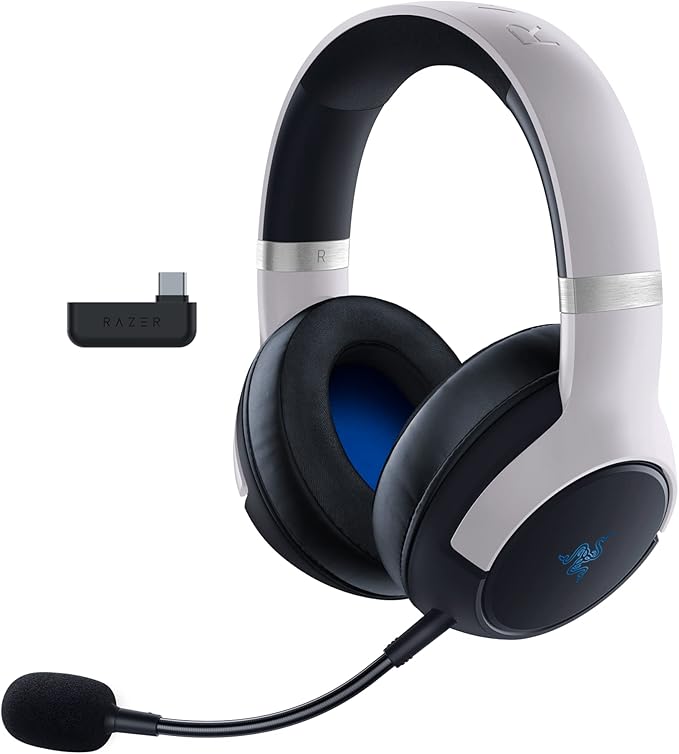
Razer equips its audio devices with an array of specialized tools designed specifically to optimize interactive media and communication. Many of Razer's flagship headsets, such as the BlackShark and Kraken lines, feature detachable broadcast-grade microphones, multi-platform connectivity via dedicated high-speed HyperSpeed 2.4GHz wireless USB-C transceivers, and customizable RGB lighting controlled via the Razer Synapse software. Furthermore, Razer often integrates THX Spatial Audio for realistic positional soundscapes and, in select models like the Kraken V3 Pro, HyperSense haptic technology that converts sound frequencies into physical tactile feedback. Even their wireless earbuds, like the Hammerhead series, feature dedicated 60ms low-latency gaming modes to eliminate audio-visual desynchronization.
Samsung counters with a feature set deeply woven into mobile productivity, intelligent processing, and lifestyle convenience through its Galaxy Wearable ecosystem. Leveraging the acoustic expertise of AKG, Samsung's Galaxy Buds series boasts cutting-edge Active Noise Cancellation (ANC), ambient sound pass-through, and voice-detect algorithms that automatically lower media volume when speech is recognized. Ecosystem-specific advantages such as auto-switching between Galaxy tablets, phones, and watches, wireless PowerShare charging, and 24-bit Hi-Fi audio over Samsung's proprietary Seamless Codec (SSC) make their hardware extraordinarily convenient for Android users. While Samsung skips gamer-centric touches like hardware boom mics or custom RGB, its intelligent feature set is far superior for on-the-go travel, hands-free calling, and smart device synergy.
Performance
In terms of acoustic performance, Razer tunes its drivers with a distinct emphasis on high-impact frequency response and spatial cues. The brand's proprietary TriForce drivers explicitly separate bass, mid, and treble tuning, allowing for punchy explosions and pronounced footstep frequencies without completely muddying vocal dialogue. However, Razer headsets generally lean toward a bass-heavy or aggressively sculpted sound signature, which can sound unnatural or fatigued when listening to complex, acoustic-heavy musical genres. For voice capture, Razer's cardioid and supercardioid boom microphones significantly outperform Samsung’s integrated beamforming arrays in clarity and background noise rejection, ensuring pristine voice transmission during intense gaming sessions or voice calls.
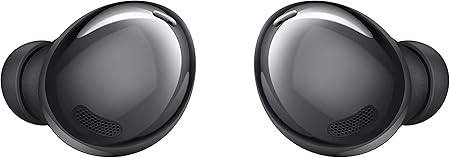
Samsung, by contrast, targets balanced, audiophile-adjacent sound profiles anchored by the Harman target curve, thanks to tuning by AKG. Across models like the Galaxy Buds2 Pro, Samsung employs dual-driver systems (a dedicated woofer and tweeter) that provide remarkable dynamic range, sparkling treble detail, and tight, controlled sub-bass that avoids bleeding into the midrange. For music playback, podcasts, and video streaming, Samsung delivers a noticeably more neutral, articulate, and pleasing acoustic presentation than Razer. Furthermore, Samsung’s digital signal processing leads the category in ambient noise reduction, easily outclassing Razer’s hybrid ANC implementations on flights, trains, or noisy office environments, although Samsung’s microphones remain more susceptible to wind noise and distant room reverberation.
Design
Razer's industrial design language is unapologetically aggressive, tactical, and functional for extended gaming sessions. Most Razer over-ear models feature oversized, plush memory-foam ear cushions lined with breathable fabric or cooling-gel infusions, specifically engineered to alleviate clamp-force pressure during marathon usage. Materials range from lightweight plastics to reinforced bauxite aluminum sliders, ensuring durability under heavy desktop use. Visually, Razer relies heavily on matte black finishes contrasted by acid green accents or full Chroma RGB arrays. While this aesthetic resonates strongly with gaming enthusiasts, it tends to be bulky, difficult to pack down for travel, and often overly flamboyant for public transit or corporate office environments.
Samsung adopts a sleek, minimalist, and ultra-modern approach to industrial design that blends seamlessly into any lifestyle setting. The Galaxy Buds lineup stands out for its ergonomic, stemless "bean" or rounded pebble form factors that nestle deeply inside the concha of the ear, minimizing wind resistance and providing an unobtrusive visual footprint. Samsung utilizes premium matte finishes, soft-touch coatings, and jewelry-box-style charging cases that are remarkably compact and pocket-friendly. While Samsung’s designs achieve effortless elegance, portability, and water resistance (often boasting IPX7 ratings compared to Razer's lower IPX4 ratings on earbuds), they lack the physical tactile controls, physical volume wheels, and repairable component structures that make Razer’s larger headsets so practical for desk-bound power users.