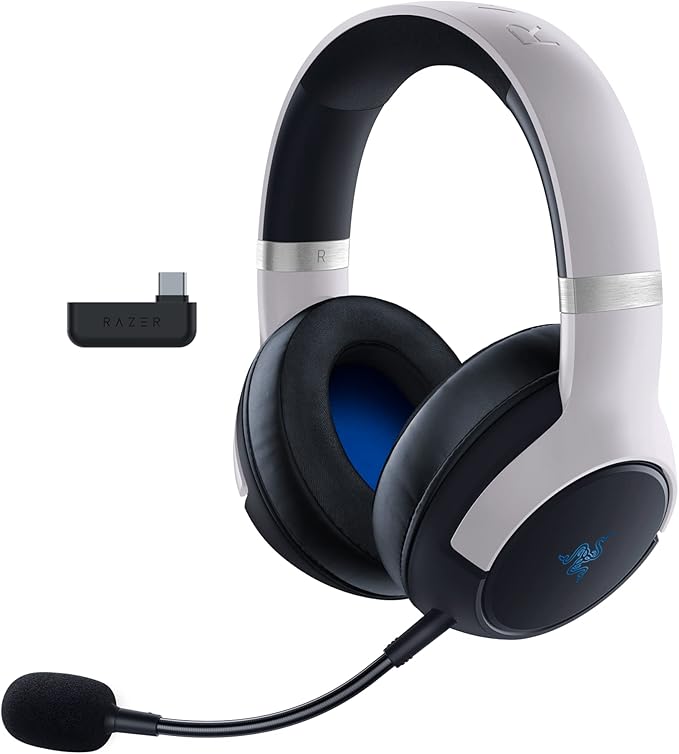








Razer vs Bang & Olufsen: Overview & Brand Philosophy
The audio market is vast and fragmented, but rarely do two brands represent such fundamentally divergent philosophies as Razer and Bang & Olufsen (B&O). Razer, founded in 2005 and headquartered in Irvine, California, and Singapore, was forged in the competitive fires of the PC gaming arena. Its audio identity is unmistakably rooted in high-performance digital entertainment, low-latency transmission, immersive positional cues, and an aggressive, gamer-centric aesthetic complete with signature RGB lighting. Razer designs headphones and earbuds primarily as interactive tactical tools and lifestyle accessories for gamers, streamers, and content creators.
In contrast, Bang & Olufsen represents the pinnacle of heritage acoustic engineering and Scandinavian luxury. Founded in Denmark in 1925, B&O approaches personal audio through the lens of timeless industrial design, material authenticity, and uncompromising audiophile fidelity. While Razer focuses on aggressive tactical advantages and software integration, B&O prioritizes acoustic neutrality, passive and active noise isolation, tactile analog controls, and materials like lambskin leather and anodized aluminum. They are not merely selling sound output; they are curating a premium sensory experience for discerning listeners and luxury travelers.
Comparing these two titans requires evaluating where high-tech utility meets heritage luxury. While Razer increasingly dips into the lifestyle segment with minimalist options like the Opus line, and B&O occasionally targets the gaming market with models like the Beoplay Portal, their underlying DNAs remain distinct. Understanding this division between competitive digital utility and bespoke acoustic luxury is essential for consumers looking to invest in personal audio gear.
Key Differences & Technological Comparison
When assessing the core technologies of both brands, the differences emerge in driver configuration, acoustic tuning, connectivity protocols, and materials science. Razer relies heavily on proprietary dynamic drivers—such as its TriForce Titanium drivers—which divide the diaphragm into three separate tuning ports for bass, mids, and treble. This architecture favors heavy low-end impact (for cinematic explosions and basslines) and hyper-clarified highs (for audio cues like footsteps). Razer excels in low-latency wireless implementations via proprietary 2.4GHz hyperspeed dongles and Bluetooth low-latency gaming modes, ensuring virtually zero audio-visual lag.
Bang & Olufsen, on the other hand, employs custom-crafted electro-dynamic neodymium drivers calibrated by the renowned "Tonmeisters" in Struer, Denmark. The B&O sonic profile, commonly referred to as the "Bang & Olufsen Signature Sound," is exceptionally linear, natural, and wide. It avoids artificial mid-bass bloat, rendering instruments and vocals with lifelike timber, expansive staging, and articulate separation. While B&O utilizes high-resolution Bluetooth codecs like aptX Adaptive, AAC, and LDAC (depending on the model), it generally eschews ultra-low latency radio-frequency protocols unless explicitly designed for multi-platform integration.
Active Noise Cancellation (ANC) and spatial processing further highlight their disparate priorities. Razer integrates THX Spatial Audio across many of its devices, offering simulated 7.1 surround sound optimized for positional tracking in three-dimensional game spaces. Its ANC is competent, though primarily engineered to dull domestic background noise such as PC fans and air conditioning. Bang & Olufsen deploys sophisticated Adaptive Active Noise Cancellation, driven by arrays of inward- and outward-facing electret microphones that continuously adjust cancellation curves based on the environmental soundscape, outperforming Razer in neutralizing transit rumblings and broad-spectrum ambient noise.
Build construction is arguably the starkest battleground. Razer products are predominantly built with high-grade, matte-finished polycarbonate, lightweight aluminum chassis reinforcements, and breathable memory foam ear cushions engineered for marathon sessions without thermal buildup. Bang & Olufsen constructs its audio line like bespoke jewelry, incorporating milled aviation-grade aluminum, cowhide leather headbands, soft lambskin earpads, and precision polymer composites designed to age gracefully over years of wear.
Pros & Cons Comparison
Razer: Pros
- Ultra-Low Latency Connectivity: Superior multi-platform wireless options via 2.4GHz USB-C dongles and optimized gaming modes.
- Spatial Sound Expertise: Excellent integration of THX Spatial Audio for realistic positional sound mapping.
- Competitive Price-to-Performance: Broad portfolio offering advanced features at entry-level to mid-tier price points.
- Broadband ClearCast Microphones: Superior voice capture algorithms engineered for Discord, streaming, and voice comms.
- Ergonomic Cooling Comfort: Ear cushions frequently feature heat-transfer fabric and cooling-gel infusions.
Razer: Cons
- Plastic-Dominant Aesthetics: Heavy reliance on plastics and aggressive branding that may look out of place in professional settings.
- Coloration of Sound: Bass frequencies are often overly dominant out of the box, requiring software EQ tuning for balanced music playback.
- Software Bloat: Full feature access often requires cumbersome desktop software (Razer Synapse) with high resource overhead.
Bang & Olufsen: Pros
- Master-Class Audiophile Sound: Superb clarity, pristine tonal balance, and expansive stereo imaging without DSP distortion.
- Artisanal Build Quality: Genuine leather, authentic precision-machined aluminum, and modular replaceable components.
- Advanced Adaptive ANC: World-class active noise cancellation that intelligently reacts to transit and urban noise.
- Understated Luxury Design: Timeless, elegant aesthetics suitable for business travel and discerning lifestyle environments.
- Intuitive Physical Interfaces: Precision aluminum touch discs and well-damped mechanical switches.
Bang & Olufsen: Cons
- Exorbitant Price Point: Significantly higher barrier to entry with high premium margins placed on brand prestige and materials.
- Sub-Optimal Mic Arrays for Gaming: Rely on "virtual boom arm" microphone arrays that can sound processed compared to physical boom mics.
- Latency Limitations: Standard models relying exclusively on Bluetooth may introduce latency issues during fast-paced gaming.
Performance, Durability & Value Analysis
In terms of durability and long-term reliability, the differences reflect the manufacturing cost tiers. Razer delivers commendable mechanical durability relative to its price bracket; its headsets flex well, feature reinforced steel sliders, and survive standard drops. However, the lifespan of synthetic leatherette pads and battery degradation on entry-level models often necessitate replacement after two to three years of heavy daily use. Bang & Olufsen products are designed as lifetime luxury goods. Because B&O uses real leather and anodized aluminum, the external materials patina rather than peel or degrade. Furthermore, B&O frequently makes structural components, batteries, and magnetic ear cushions user-replaceable, significantly elevating their multi-year utility and justifying their higher upfront acquisition cost.
Evaluating overall value requires analyzing the user's primary use case. If calculated strictly by feature density per dollar spent—factoring in companion apps, high-grade wireless dongles, spatial certifications, and microphone performance—Razer delivers exceptional value. For the cost of a single mid-range B&O headphone, a consumer could outfit an entire home office and entertainment setup with top-of-the-line Razer gear. However, value for Bang & Olufsen is measured in emotional satisfaction, acoustic purity, and longevity. The absence of software bugs, the elimination of cheap plastic creaks, and the sheer pleasure of natural acoustic rendering provide an intrinsic, high-tier value proposition that pure utility cannot replicate.
Final Verdict: Which Brand Should You Choose?
Your ultimate decision between Razer and Bang & Olufsen rests entirely on your daily use profile, aesthetic demands, and personal budget.
Choose Razer if: You are primarily a gamer, PC enthusiast, streamer, or someone seeking an aggressive price-to-performance ratio. Razer is unbeatable if you demand sub-20ms wireless latency, need a broadcast-ready boom microphone for Discord or work calls, and prioritize dynamic audio that makes games, movies, and electronic music hit with kinetic force. Models like the BlackShark V2 Pro or the Opus are ideal choices for those seeking multi-platform utility without breaking the bank.
Choose Bang & Olufsen if: You are an uncompromising music lover, an executive commuter, or an audiophile who values timeless Scandinavian design and artisanal craftsmanship. If your priorities are acoustic transparency, plush long-haul travel comfort, elite active noise cancellation, and industrial design that complements high-end fashion rather than a battlestation, B&O's Beoplay series (such as the H95 or EX earbuds) is worth every cent of its luxury investment.
Features
When evaluating feature sets within personal audio, Razer and Bang & Olufsen approach technical innovation from entirely distinct philosophical standpoints: latency-optimized utility versus luxurious acoustic fidelity. Razer prioritizes the demands of high-performance gaming and streaming ecosystems. Its headphones and earbuds are engineered around proprietary ultra-low-latency 2.4 GHz HyperSpeed wireless connectivity, broadcast-grade retractable boom microphones, and specialized positional audio processing via THX Spatial Audio. Razer's feature architecture is deeply integrated into software suites like Razer Synapse and the Razer Audio app, offering extensive customization such as dynamic Chroma RGB lighting synchronization, granular EQ curve manipulation, and tactile haptic feedback drivers (found in the Nari and Kaira lines). These additions deliver immediate, functional feedback and immersion tailored specifically for interactive media and competitive esports environments.
Conversely, Bang & Olufsen engineers its personal audio portfolio around acoustic refinement, ambient transparency, and tactile, high-end user interaction. Instead of low-latency dongles, B&O leverages cutting-edge Bluetooth codecs (including aptX Adaptive, AAC, and LDAC on select models) paired with multipoint connectivity to deliver seamless high-resolution streaming across multiple enterprise and lifestyle devices. The brand’s technical strengths lie in its Adaptive Active Noise Cancellation (ANC), powered by sophisticated multi-microphone arrays that intelligently adjust attenuation according to environmental pressure and external acoustics. Physical feature design eschews plastic dials for precision-machined aluminum touch discs, physical gesture dials, and proximity sensors that automatically pause playback. Through the Bang & Olufsen app, users bypass traditional numeric decibel sliders in favor of the intuitive "Beosonic" tonal interface, emphasizing tailored soundstage warmth, clarity, and depth over competitive gaming cues.
Ultimately, the practical trade-offs regarding features center on intended context and execution. Razer excels in real-time, low-latency performance and multifaceted communication tools; however, its features tend to be heavily dependent on desktop software and PC environments, with mobile-centric amenities like ANC and ambient sound modes feeling secondary and less refined. Bang & Olufsen, while offering best-in-class noise isolation, superior materials, and elegant sensor-driven workflows, lacks the ultra-low-latency connectivity and specialized microphone algorithms required for competitive multiplayer gaming or desktop streaming setups. Consumers must therefore weigh Razer’s specialized, utility-driven performance stack against Bang & Olufsen’s sophisticated travel, lifestyle, and audiophile-grade functionality.
Performance
When evaluating performance between Razer and Bang & Olufsen (B&O), consumers are looking at two diametrically opposed engineering philosophies tailored to distinct use cases. Razer focuses primarily on ultra-low latency, spatial awareness, and communicative clarity, catering directly to competitive gamers and multimedia power users. Utilizing custom-tuned TriForce Titanium drivers, proprietary 2.4GHz Razer HyperSpeed Wireless technology, and THX Spatial Audio, Razer headsets deliver instantaneous audio cues, tight directional imaging, and punchy, impactful bass that highlights in-game explosions and footsteps. In contrast, Bang & Olufsen prioritizes reference-grade acoustic fidelity and high-resolution wireless transmission for discerning audiophiles. Powered by custom electro-dynamic neodymium drivers, B&O models like the Beoplay series emphasize an impeccably neutral, expansive soundstage with pristine treble extension and rich, natural midranges, supported by high-bitrate codecs such as aptX Adaptive and LDAC for superior musical reproduction.
The technical trade-offs between the two brands become starkly apparent in secondary performance metrics like Active Noise Cancellation (ANC), latency, and microphone engineering. Razer’s hardware is heavily optimized for zero-lag performance, frequently achieving sub-20ms wireless latency alongside broadcast-grade, wideband boom microphones (such as their HyperClear Super Wideband tech) engineered to isolate vocal clarity over chaotic background noise. However, Razer’s ANC implementations are typically average, focusing primarily on low-frequency humming rather than adaptive, broad-spectrum isolation. Bang & Olufsen, conversely, employs sophisticated Digital Adaptive ANC driven by advanced multi-microphone arrays that intelligently calibrate to external environments, providing superior ambient isolation for commuting and travel. Yet, while B&O's beamforming microphones deliver clear phone calls, they lack the specialized vocal warmth, sidetone controls, and background-rejection tuning of Razer's dedicated gaming mics, and their Bluetooth-centric connections introduce inherent latency that is sub-optimal for fast-paced gaming.
Ultimately, "performance" is defined by context when choosing between these audio giants. Razer is the undisputed performance leader for interactive media, high-stakes esports, and PC-centric environments where instantaneous response times, pinpoint positional audio, and uncompressed voice communications are critical. Bang & Olufsen captures the performance crown for immersive music listening, critical acoustic evaluation, and peaceful daily transit, offering a sophisticated, true-to-source auditory experience and elite noise suppression that justifies its luxury price tag. While Razer trades acoustic subtlety for raw speed, directional tracking, and boisterous low-end, B&O sacrifices specialized gaming functionality in pursuit of uncompromising, studio-grade sonic elegance.
Design
From an engineering and industrial design standpoint, Razer and Bang & Olufsen operate on diametrically opposed design philosophies, each optimized for entirely different user environments. Razer designs strictly through the lens of high-performance gaming and esports utility. Its headphones, such as the BlackShark and Kraken series, prioritize functional ergonomics, passive noise attenuation, and aggressive brand visibility. Engineering-wise, Razer relies heavily on lightweight polymer chassis, reinforced steel or aluminum headbands, and high-density memory foam wrapped in breathable flow-knit or protein leather fabrics to combat heat buildup during marathon sessions. Furthermore, the aesthetic is unmistakably gamer-centric, characterized by broad earcups, prominent tactile volume wheels, boom microphone integrations, and proprietary customizable Chroma RGB lighting. While this delivers exceptional durability and functional utility at a workstation, the materials—predominantly matte plastics—and the bulky silhouette make them virtually impractical and aesthetically incongruous as everyday, lifestyle-oriented street wear.
Bang & Olufsen, by contrast, treats audio gear as bespoke luxury industrial art, focusing on sustainable craftsmanship and timeless minimalism. Models like the Beoplay H95 and Beoplay HX reject molded plastics in favor of precision-machined, anodized aluminum, lambskin leather, and hand-stitched cowhide headbands. From an engineering perspective, B&O leads in precision tactile interfaces; rather than relying on standard plastic buttons or digital companion apps, they frequently implement mechanical rotary dials seamlessly integrated into the aluminum earcup rims for volume and active noise cancellation (ANC) calibration. This delivers a haptic sophistication and mechanical tolerance that standard consumer electronics cannot match. While B&O's structural density offers unparalleled elegance and durability against standard wear-and-tear, it comes with the technical trade-off of higher overall weight and lower breathability during physical movement or high-intensity computing sessions, as fine leathers do not dissipate sweat as effectively as athletic fabrics.
Ultimately, the design comparison reveals a profound trade-off between aggressive functional optimization and enduring luxury minimalism. Razer excels at purpose-driven structural solutions—engineering lightweight clamping force, modular boom mic placement, and cable management tailored to the sedentary desktop power-user. Conversely, Bang & Olufsen succeeds in creating ultra-premium, travel-ready audio sculpture with folding hinges machined to micro-tolerances and tactile touch surfaces that blend seamlessly into executive and daily-commute environments. Choosing between the two is less about raw build longevity and more about context: Razer provides robust, tech-forward utility that embraces plastic-matrix weight savings for indoor play, whereas Bang & Olufsen offers an uncompromising, heirloom-grade aesthetic that champions luxury materials for lifestyle sophistication.
Compare current retail pricing, active promotions, and verified stock availability directly from authorized stores:
Compare current retail pricing, active promotions, and verified stock availability directly from authorized stores: