






Corsair vs Bang & Olufsen: Overview
Comparing Corsair and Bang & Olufsen helps you determine which brand is best suited for your needs in Headphones & Earbuds. Both brands offer strong choices depending on your budget and key feature requirements.
Key Features & Comparison
Evaluate factors such as build quality, warranty, customer satisfaction, and total value before making your final purchase choice between Corsair and Bang & Olufsen.
Features
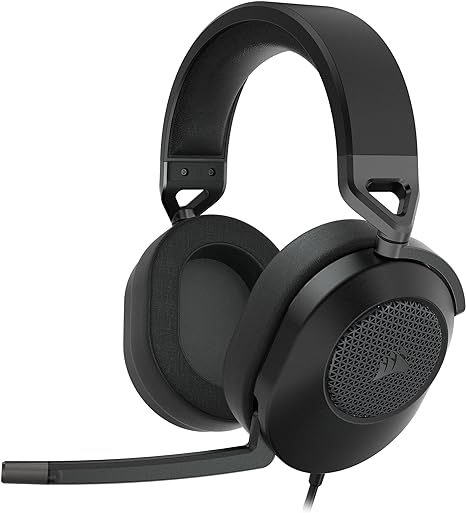
From a feature-set perspective, Corsair structures its headphones around high-performance connectivity and software customizability tailored to interactive media. A standout technical strength of Corsair is its Slipstream Wireless technology, which provides ultra-fast, sub-1ms 2.4GHz wireless transmission alongside multi-device pairing capabilities, ensuring that game audio and chat maintain perfect synchronization. Furthermore, Corsair provides extensive connectivity options across USB-C wired mode (enabling high-resolution 24-bit/96kHz audio playback), 3.5mm analog, and standard wireless protocols. The accompanying Corsair iCUE software provides deep equalization tuning, sidetone configuration, custom RGB lighting profiles, and integrated Dolby Atmos or 7.1 surround sound processing, making it an indispensable control hub for competitive gamers.
Conversely, Bang & Olufsen approaches features through the lens of sophisticated lifestyle integration and intelligent acoustic management. Instead of focusing on desktop software, B&O invests heavily in class-leading digital signal processing (DSP), advanced Adaptive Active Noise Cancellation (ANC), and intuitive gesture-based touch interfaces on the earcups. The Bang & Olufsen app offers elegant acoustic personalization via their proprietary Beosonic interface, which eschews complex multi-band sliders in favor of an intuitive, mood-driven tonal wheel. While B&O has made inroads into gaming with models like the Beoplay Portal—which incorporates Xbox Wireless and low-latency Bluetooth codecs like aptX Adaptive—it generally favors everyday conveniences like transparency modes, wear sensors, and multipoint Bluetooth over Corsair's broadcast-oriented gaming toolkits.
Performance
Evaluating acoustic performance highlights a stark contrast in sound signatures and driver tuning between the two manufacturers. Corsair’s acoustic profile is heavily tuned for spatial awareness, dynamic impact, and vocal clarity. Typically utilizing custom-matched 50mm high-density neodymium drivers, Corsair headphones emphasize sharp transients, punchy low-end response for cinematic immersion, and heightened upper-mids that help gamers pinpoint footstep cues and positional audio. While this tuning is exceptional for gaming and communication, it can sometimes reveal a slightly compressed or artificial soundstage when handling complex orchestral or acoustic music tracks, where critical listening requires a more neutral, balanced frequency response.
Bang & Olufsen, on the other hand, approaches performance from a purist high-fidelity audio engineering baseline. Utilizing custom-engineered electro-dynamic drivers made from premium materials such as titanium or high-grade mylar, B&O headphones deliver a wide, open soundstage marked by remarkable separation, airy highs, and controlled, textured bass that never bleeds into the midrange. Their sound signature, often referred to as the signature Bang & Olufsen Sound, prioritizes precision, instrument separation, and uncolored vocal delivery. Moreover, while Corsair excels at microphone performance with high-bandwidth, omnidirectional broadcast capsules, B&O focuses on advanced beamforming microphone arrays with virtual boom arms that optimize ambient noise rejection for phone calls and mobile use.
Design
In the design department, Corsair prioritizes structural durability, ergonomic support during prolonged sessions, and an aesthetic that complements modern PC hardware. Corsair’s construction typically blends lightweight aluminum yokes with reinforced plastics, memory foam padding, and breathable microfiber or leatherette coverings. Models like the Virtuoso series exhibit a refined, minimalist departure from traditional garish gaming headsets by using micro-perforation RGB lighting and precision-machined aluminum accents. However, the overall design language remains utilitarian and inherently tailored to indoor desk environments, featuring heavier clamping forces designed to keep the headset secure during intense motion.
Bang & Olufsen stands in an entirely different league regarding industrial design and material science, treating their headphones as high-fashion wearable luxury. B&O collaborates with renowned industrial designers to produce iconic silhouettes crafted from authentic, premium materials such as precision-milled anodized aluminum, memory foam covered in hand-stitched lambskin, and durable cowhide leather headbands. Every hinge, pivot, and physical control is engineered with precise tactile feedback and longevity in mind. The resulting aesthetic is sleek, minimalist, and timeless, allowing B&O headphones to transition effortlessly from an executive boardroom to long-haul international flights without drawing the specialized attention associated with gaming peripherals.