Samsung vs Whirlpool: Overview
Comparing Samsung and Whirlpool helps you determine which brand is best suited for your needs in Dryers. Both brands offer strong choices depending on your budget and key feature requirements.
Key Features & Comparison
Evaluate factors such as build quality, warranty, customer satisfaction, and total value before making your final purchase choice between Samsung and Whirlpool.
Features
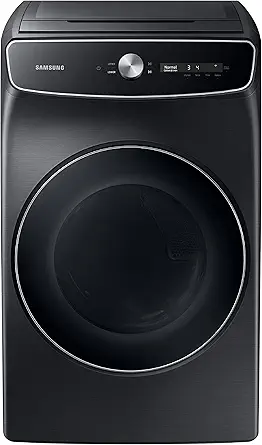
Samsung consistently dominates the feature-rich segment of the dryer market by integrating cutting-edge consumer electronics into utility hardware. A standout attribute is their SmartThings ecosystem, which allows users to remotely monitor drying times, receive cycle completion alerts, and automatically sync settings from a paired Samsung washer via auto-cycle link technology. Furthermore, Samsung frequently implements advanced steam-sanitizing cycles, AI-driven Smart Dial interfaces that learn user habits, and multi-sensor drying systems with up to four thermistors. These features provide granular customization, making Samsung dryers exceptionally versatile for diverse fabric wardrobes requiring delicate care.
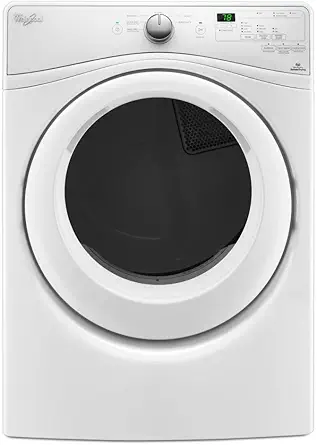
Whirlpool adopts a much more utilitarian, functional approach to features, focusing on direct consumer convenience rather than digital immersion. Signature functionalities include their Wrinkle Shield Plus with Steam, which periodically tumbles clothing after the cycle ends to prevent crease formation, and the intuitive 'What to Dry / How to Dry' control schema that simplifies cycle selection for all household members. While premium Whirlpool models offer Wi-Fi connectivity via their mobile app, the platform is far less integrated and refined compared to Samsung's SmartThings. Instead, Whirlpool relies on dependable, mechanical-first conveniences like reversible side-swing or drop-down hamper doors and straightforward lint-filter maintenance alerts.
Performance
In terms of raw drying dynamics, both manufacturers deliver satisfactory results, but their engineering philosophies yield distinct thermal performance profiles. Samsung models leverage advanced algorithmic sensor drying that continuously calculates remaining internal moisture, effectively shutting off the heating elements to avoid over-drying and thermal damage to sensitive garments. Their multi-directional airflow systems and specialized drum baffle designs ensure even heat distribution across large loads. However, when handling dense fabrics like comforters, Samsung's aggressive moisture sensors can occasionally trigger premature cycle shutdowns, requiring users to switch to manual or timed-dry modes to finish the job completely.
Whirlpool excels in raw, continuous thermal throughput and cycle predictability. Utilizing their Advanced Moisture Sensing architecture, which deploys two distinct moisture strips, Whirlpool dryers track both internal humidity and ambient temperature to thoroughly dry heavy, mixed-material loads without leaving damp pockets in sheets or towels. Whirlpool heating assemblies are generally calibrated to run slightly hotter and with more sustained cycle duration than Samsung units, ensuring dependable dryness at the cost of marginally higher fabric wear over prolonged periods. For standard household linens and mixed heavy laundry, Whirlpool frequently achieves superior one-cycle dryness consistency.
Design
Samsung redefines modern laundry room aesthetics by treating the dryer as an architectural centerpiece rather than a hidden utility box. Their industrial design language features sleek, minimalist lines, flush-mounted digital touch controls, and high-end finishes such as brushed black, champagne, and bespoke navy glass. The ergonomics are modern and streamlined, featuring large-aperture crystal-tinted glass doors and soft interior drum lighting that elevates the user experience. The structural trade-off lies in the heavy reliance on digital control boards and touch-capacitive switches, which can be vulnerable to ambient laundry room humidity over many years of heavy use.
Whirlpool adheres to a conservative, function-first exterior design that prioritizes operational familiarity and physical resilience. Their dryers typically sport traditional white or slate finishes with hard-wearing powder-coated metal tops and physical, tactile knobs or robust membrane buttons that provide unmistakable tactile feedback. While Whirlpool machines look less contemporary alongside modern high-end home decors, their structural design offers practical advantages: deeper drum depths relative to width, versatile hamper-style door configurations that catch dropping garments, and easily accessible maintenance panels that simplify routine belt, thermal fuse, and heating element replacements.