LG vs Samsung: Overview
Comparing LG and Samsung helps you determine which brand is best suited for your needs in Dryers. Both brands offer strong choices depending on your budget and key feature requirements.
Key Features & Comparison
Evaluate factors such as build quality, warranty, customer satisfaction, and total value before making your final purchase choice between LG and Samsung.
Features
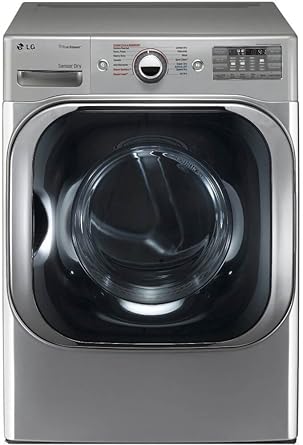
Feature sets for both brands reflect modern consumer demand for automation, fabric sanitization, and smart home synergy. LG equips many of its mid-range and premium dryers with TurboSteam technology, which injects fine steam directly into the drum to eliminate wrinkles, deodorize garments, and refresh fabrics in under ten minutes without a full wash cycle. Furthermore, LG's ThinQ ecosystem utilizes AI Fabric Sensor (AI DD) technology, which uses load-sensing algorithms to detect fabric weight and texture softness, automatically adjusting tumbling patterns and temperature curves. LG's pairing features also allow compatible washers to communicate cycle data wirelessly to the dryer, pre-selecting the optimal dry program before the transfer is even made.
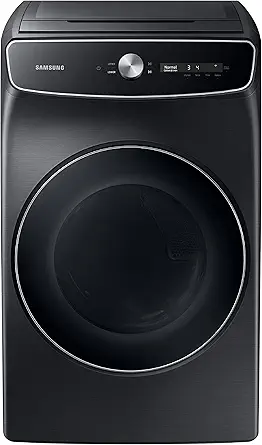
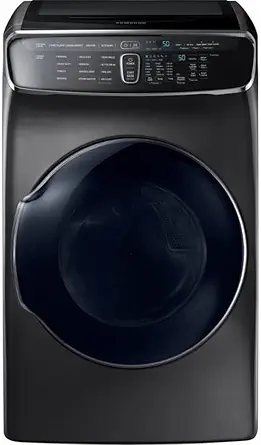
Samsung counters with a similarly impressive array of digital conveniences, headlined by its SmartThings platform and AI Smart Dial. Samsung’s interface learns user habits, presenting frequently used cycles and allowing deep integration with multi-device automations across the home. Features such as Steam Sanitize+ claim to eliminate 99.9% of bacteria and pollen, while the Super Speed Dry option can finish small loads in as little as 30 minutes when paired with compatible high-speed washers. Samsung also innovates in hardware versatility with MultiControl capabilities, allowing users to operate a stacked dryer directly from the lower washer's control panel, resolving a classic ergonomic pain point that LG handles via unified tower configurations.
Performance
In empirical drying performance, LG is renowned for its precision Sensor Dry system, which employs dual moisture sensors to continuously monitor ambient humidity and internal fabric moisture. This advanced monitoring prevents over-drying—a primary cause of fabric shrinkage, fiber degradation, and unnecessary utility expenditure. Across varied load sizes, from dense cotton towels to mixed synthetic blends, LG dryers demonstrate remarkable cycle completion accuracy, rarely shutting off prematurely with damp pockets or running past the required duration. Their heat pump dryers in particular demonstrate class-leading thermal regulation, using closed-loop refrigerant cycles that dry clothes at lower, gentler temperatures with minimal energy consumption.
Samsung delivers rapid, powerful drying cycles thanks to high-output heating elements and optimized airflow dynamics. On heavy-duty and bulky cycles, Samsung models frequently achieve lower residual moisture content in shorter periods than their direct LG counterparts. However, Samsung's moisture sensors can occasionally struggle with uneven loads, such as large comforters or mixed-weight garments, sometimes registering surface dryness while interior layers remain damp, thereby necessitating manual cycle extensions. Despite this occasional inconsistency, Samsung excels in thermal throughput, making it highly effective for busy households that prioritize turnaround speed and high-temperature sanitization over ultra-delicate fabric modulation.
Design
From an industrial design perspective, Samsung leads in minimalist modernism and seamless visual cohesion. Samsung’s Bespoke series and flat-front aesthetic feature clean lines, concealed handles, and monolithic control surfaces that transform laundry appliances into refined architectural elements. The AI Smart Dial replaces cluttered arrays of buttons with a sleek, singular rotating dial accompanied by a contextual digital display. Samsung's palette options—ranging from brushed navy to matte black and forest green—allow consumers to customize laundry spaces beyond the traditional appliance look, while reversible doors and modular stacking kits maximize spatial layout flexibility.
LG embraces a more functional, ergonomic design philosophy that balances contemporary aesthetics with practical utility. While high-end LG units boast sophisticated finishes like Black Steel and modern glass doors, the brand puts substantial focus on structural accessibility, exemplified by the LG WashTower—a single-unit, stacked laundry system with a centralized control panel mounted at eye level. LG also introduced the EasyLoad door on select standalone models, which can swing open horizontally like a traditional door or hinge down from the top like a hamper chute to catch dropped items. While LG may feature slightly more conventional styling than Samsung's ultra-minimalist Bespoke line, its mechanical touchpoints, door latches, and lint filter designs feel distinctly robust and built for heavy daily use.