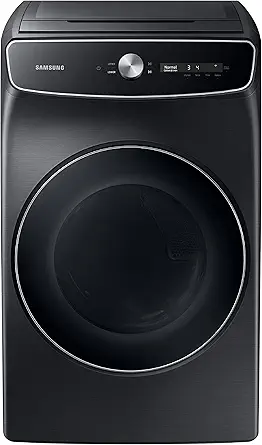
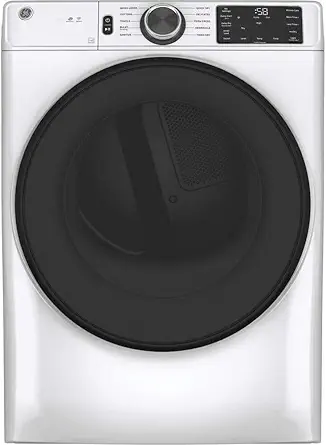
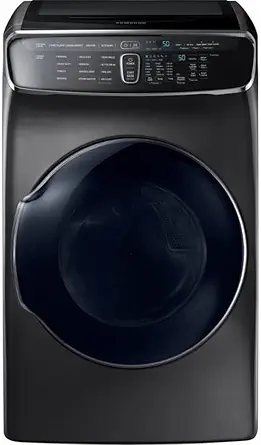
Samsung vs GE: Overview & Brand Philosophy
When selecting a clothes dryer, homeowners frequently find themselves weighing the modern innovation of Samsung against the enduring utility of GE (General Electric). Samsung, a dominant South Korean technology conglomerate, has spent the last two decades transforming residential laundry by positioning itself as a pioneer in digital integration, sleek modern aesthetics, and smart-home convenience. In the dryer sector, Samsung prioritizes cutting-edge sensory technology, energy optimization, and connected ecosystems through its SmartThings platform, appealing directly to tech-forward consumers who value intuitive automation and contemporary appliance design.
In contrast, GE Appliances operates from a foundational heritage deeply rooted in American utility and serviceability. Now operating under the umbrella of Haier, GE continues to lean heavily into rugged reliability, intuitive mechanical engineering, and broad accessibility across various price points. GE’s philosophy focuses on simplifying the laundry workflow by building durable, high-throughput machines designed to handle demanding family-sized workloads without unnecessary complexity. Rather than prioritizing novelty, GE emphasizes practical engineering innovations, such as advanced lint-removal systems, reverse-tumble drum actions, and accessible replacement parts.
Ultimately, both manufacturers offer expansive catalogs spanning budget-friendly baseline units to high-capacity, feature-dense appliances. However, the operational identities of Samsung and GE remain distinct: Samsung builds appliances designed to interact seamlessly with a connected digital lifestyle, whereas GE crafts workhorse appliances engineered for straightforward operation, mechanical resilience, and low-friction repairability.
Key Differences & Technological Comparison
The technological gap between Samsung and GE is largely defined by their differing approaches to cycle optimization, drum mechanics, and smart architecture. Samsung equips most mid-to-high-tier dryers with its proprietary AI Smart Dial and Sensor Dry systems. Sensor Dry continuously monitors moisture levels and internal ambient temperature using multi-zone internal thermistors, cutting power the instant clothes reach the targeted dryness level to prevent heat damage and fabric degradation. Higher-end Samsung units also incorporate Steam Sanitize+, which injects high-temperature steam directly into the drum to eliminate 99.9% of common bacteria, pollen, and dust mites while neutralizing heavy wrinkles in dry garments.
GE answers with its own robust sensor package, HE Sensor Dry, which utilizes dual thermistors to continuously monitor drying temperatures and moisture, mitigating the risk of over-drying. Where GE diverges technically is in fabric care mechanics through features like de-wrinkle cycles that utilize timed steam blasts, and Sanitize cycles certified by independent testing bodies. GE’s higher-end machines also feature advanced airflow dynamics engineered to maintain consistent cubic-feet-per-minute (CFM) air movement even when venting runs through complex, extended residential ductwork, reducing fire hazards and shortening dry times.
From an operational standpoint, connectivity separates the two brands significantly. Samsung’s SmartThings integration is arguably the most mature in the appliance industry. It allows users to receive cycle completion alerts on their smart TVs, remotely schedule cycles around variable electricity rates, and automatically configure the dryer’s settings based on data sent directly from a paired Samsung washing machine. GE counters with its SmartHQ platform, which delivers solid remote monitoring and diagnostics, though its ecosystem feels more purely functional compared to Samsung's rich, visual consumer interface.
Drum construction also showcases different engineering priorities. While both brands utilize stainless steel drums in their premium lines, Samsung places a stronger emphasis on drum geometry, featuring diamond-patterned drum walls that generate an air cushion to protect delicate synthetics. GE frequently utilizes aluminized alloy drums in its entry-to-mid-range units, which, while marginally less visually striking than polished stainless steel, deliver exceptional thermal retention, resistance to corrosion, and superior resistance to scratching from heavy metal zippers and rivets.
Pros & Cons Comparison
Samsung Dryers: Pros
- Advanced Smart Ecosystem: Industry-leading SmartThings integration provides seamless cross-device communication, predictive maintenance alerts, and cycle synchronization with paired washers.
- Sophisticated Aesthetic: Clean, minimalist designs featuring flat-panel doors, hidden lint traps, and sleek digital interfaces elevate modern laundry rooms.
- Intelligent Fabric Protection: Precision multi-sensor drying systems consistently prevent heat-induced shrinkage and fiber degradation across diverse load types.
- Quiet Operation: Superior drum balancing and vibration reduction technology ensure quiet cycles, making them ideal for main-floor or near-bedroom installations.
Samsung Dryers: Cons
- Service Network Constraints: Repair technicians certified in Samsung electronics can be difficult to source in rural and non-metro areas.
- Component Sensitivity: Sophisticated electronic control boards are more susceptible to power surges and moisture damage compared to simpler mechanical designs.
- Parts Availability: Specialized replacement parts frequently take longer to ship compared to domestic legacy brands.
GE Dryers: Pros
- Exceptional Serviceability: Broad availability of standardized mechanical parts and widespread familiarity among independent appliance repair technicians nationwide.
- Rugged Build Quality: Heavy-gauge steel construction and durable aluminized/stainless drums designed to endure harsh, high-capacity utility loads.
- Duct-Run Compensation: Powerful blower systems maintain high static pressure, ensuring effective moisture expulsion through longer exhaust duct runs.
- Intuitive Control Schemes: Straightforward tactile knobs and clear, uncrowded digital displays reduce the learning curve for non-technical users.
GE Dryers: Cons
- Conventional Styling: Aesthetic profiles, especially on entry and mid-tier models, lean traditional and lack the ultra-modern look of contemporary competitors.
- App Experience: The SmartHQ interface is functional for alerts and updates, but lacks the polished, feature-rich integration found in Samsung's SmartThings.
- Cycle Optimization Nuance: Baseline models occasionally lean toward running slightly hotter and longer than necessary, requiring manual adjustment for delicate items.
Performance, Durability & Value Analysis
When measuring day-to-day performance, Samsung excels in delicate fabric management and energy efficiency. Its AI-driven cycles consistently hit the targeted moisture mark without exposing clothes to sustained, high-heat spikes, earning Samsung high marks from energy rating boards. However, durability over a ten-year horizon tells a more nuanced story. Appliance repair aggregate data routinely notes that while Samsung's physical mechanical components (motors, belts, rollers) are well-engineered, its complex touch interfaces and main control modules exhibit a higher failure rate over time. When repairs are required, sourcing proprietary Samsung microprocessors can lead to elevated repair bills and extended machine downtime.
GE presents a compelling long-term value equation anchored by reliability, ease of maintenance, and accessible part sourcing. In head-to-head testing, GE dryers typically register slightly faster dry times on bulky items like comforters and heavy denim, owing to powerful heating elements and robust airflow systems. Because GE designs its machines around widely available, standardized hardware platforms, local technicians can diagnose and repair them quickly using off-the-shelf components. For budget-conscious homeowners and landlords, GE’s lower total cost of ownership over a typical 8-to-12-year lifespan often offsets the initial appeal of Samsung’s advanced digital features.
Final Verdict: Which Brand Should You Choose?
Choose Samsung if your priority is modern aesthetics, energy optimization, and smart-home integration. If you already utilize Samsung smart devices, live in an urban or suburban area with ample authorized service support, and care deeply about fabric preservation for high-end garments, Samsung’s sensor accuracy and design-forward approach justify the investment. It remains the top choice for design-conscious homeowners building out a contemporary, connected living space.
Choose GE if your priorities are long-term durability, straightforward functionality, and low repair friction. GE is the superior option for busy families who cycle through heavy, demanding loads daily and require an appliance that can take a beating. With unmatched nationwide technician support, affordable parts, and proven mechanical endurance, GE provides practical peace of mind and dependable drying performance without unnecessary complexity.
Features
When evaluating the feature ecosystems of Samsung and GE dryers, the two brands cater to fundamentally different consumer philosophies: Samsung prioritizes interconnected digital sophistication, whereas GE leans into pragmatic, fabric-care engineering. Samsung’s core strength lies in its expansive suite of modern conveniences, prominently anchored by its SmartThings ecosystem and AI Smart Dial technology. This interface learns user habits, auto-suggests frequently used cycles, and facilitates seamless communication between matching washers and dryers via Auto Cycle Link. Furthermore, Samsung frequently implements advanced cycle options such as Super Speed Dry—capable of handling full loads in roughly 30 minutes—alongside multi-steam technologies that effectively sanitize garments and actively release wrinkles. In terms of technical design, Samsung integrates reversible door hardware and scratch-resistant tempered glass, emphasizing aesthetic polish and high-tech tactile feedback that appeals to modern, connected households.
Conversely, GE focuses its feature architecture on tangible, problem-solving mechanics and heavy-duty utility, championed by its SmartHQ platform and proprietary sensor algorithms. A standout engineering triumph in GE’s lineup is the HE Sensor Dry system, which utilizes dual thermistors paired with moisture-sensing bars to continuously monitor both temperature and water content; this technical precision virtually eliminates fabric degradation caused by over-drying. GE also excels in cycle customizability with features like the Damp Alert, which notifies users precisely when garments reach the ideal humidity level for ironing, and dedicated Sanitize cycles that utilize prolonged high-heat exposure to eradicate household bacteria. While GE offers smart Wi-Fi integration and remote diagnostics that rival Samsung, its physical controls generally retain more tactile, intuitive rotary dials alongside capacitive touchpads, prioritizing immediate usability over menu-diving screen interfaces.
The practical trade-off between the two brands centers on cutting-edge lifestyle automation versus mechanical reliability and ease of use. Samsung excels if your goal is holistic smart home integration, ultra-fast cycle turnarounds, and robust steam sanitization, but its reliance on capacitive touchscreens and software-driven navigation can introduce a steeper learning curve and potential points of electronic failure. GE, on the other hand, trades futuristic visual flair for specialized, fabric-first utility and dependable sensor accuracy that adapts better to mixed-fabric loads. Consumers favoring automated, smartphone-driven cycle management and rapid drying will gravitate toward Samsung’s feature-packed digital suite, while those prioritizing delicate fabric preservation, straightforward control interfaces, and precise humidity monitoring will find GE’s feature set far more pragmatic.
Performance
When evaluating core drying performance, Samsung and GE employ distinctly different engineering philosophies that cater to varying household priorities. Samsung positions itself around high-tech sensor calibration and fabric-care versatility. Utilizing advanced multi-sensor technology, Samsung dryers continuously monitor ambient moisture levels and internal drum temperature, dynamically adjusting cycle lengths to prevent fabric degradation and over-drying. Features like Super Speed Dry and integrated Steam Sanitize+ offer rapid turnaround times and effective wrinkle release, making Samsung an attractive choice for users who frequently launder delicate garments or require high-throughput cycle speeds. However, Samsung's sensor arrays can occasionally be overly sensitive, sometimes terminating cycles prematurely when handling bulky, unevenly distributed loads like down comforters, requiring manual intervention via timed cycles.
Conversely, GE emphasizes consistent, heavy-duty thermodynamic execution and robust mechanical airflow. GE’s performance relies heavily on its HE Sensor Dry system alongside high-output heating elements and optimized blower mechanics that maintain aggressive, uniform heat distribution even under full-capacity stress. While GE dryers may not always showcase the sleek touch-interface capabilities or ultra-fast niche cycles found in Samsung units, they demonstrate superior consistency across mixed-fabric and large-load cycles. Features such as GE's Sanitize Cycle, which utilizes elevated temperatures to eradicate 99.8% of common household bacteria, and Wrinkle Care—which intermittently tumbles clothing without heat—provide dependable, workhorse reliability that holds up to rigorous daily laundering demands.
The practical trade-off between the two brands ultimately balances cutting-edge precision against mechanical consistency. Samsung delivers superior specialized performance for users prioritizing delicate fabric preservation, rapid cycle automation, and comprehensive steam-assisted cycles, provided users are willing to navigate occasional sensor misreadings on large bedding. GE sacrifices some of the cosmetic refinement and ultra-delicate temperature feathering in favor of raw airflow throughput and load-handling resilience, making it the more reliable performer for large families dealing with heavy cottons, towels, and mixed laundry loads where thorough dryness is the primary metric of success.
Design
When evaluating the design philosophy of Samsung and GE dryers, the divergence between modern consumer tech aesthetics and utilitarian, service-oriented engineering becomes immediately apparent. Samsung champions a sleek, minimalist aesthetic defined by ultra-clean lines, touch-integrated displays, and premium finishes like brushed navy and matte black. Their front-load units frequently feature seamless, flat-panel doors and monochromatic digital interfaces that mimic high-end consumer electronics. In contrast, GE prioritizes traditional, ergonomic utility with robust, tactile hardware. While GE’s higher-tier Profile lines offer sleek glass surfaces, the core fleet relies heavily on classic rotary dials, tactile mechanical push-buttons, and high-visibility digital segment displays. From an engineering perspective, GE's structural design is distinctly modular and serviceable, utilizing heavier gauge steel on their side panels and easily accessible maintenance access points, whereas Samsung relies on integrated composite panels and snap-fit assemblies that look undeniably modern but can be more labor-intensive to disassemble during mechanical servicing.
Functionally, both manufacturers leverage distinct design architectures to optimize the drying environment, resulting in unique technical strengths and daily trade-offs. Samsung excels in interior drum capacity and space optimization, often packaging massive drums—frequently exceeding 7.5 cubic feet—into relatively compact chassis depths, making them a premier choice for tight closets or stacked installations via their low-profile nesting kits. Furthermore, Samsung’s lint filter housing is deeply recessed and features a clamshell dual-layer design that effectively captures fine particulate, though its plastic hinges can feel brittle over time. GE counters with its industry-lauded, heavy-duty engineering, exemplified by its reversible door swing designs which are among the easiest in the industry for homeowners to swap. Moreover, GE’s interior airflow geometry often integrates broader drum vanes and aggressive blower-fan housings that resist static pressure buildup in longer venting runs, outperforming Samsung's more compact internal ducting in homes with complex duct routing.
Ultimately, the practical trade-off in design comes down to visual integration versus physical resilience. Samsung’s design triumphs for homeowners seeking an ultra-contemporary, connected laundry space where the appliance doubles as a visual asset. Their sleek, capacitive-touch interfaces and clutter-free front panels elevate the room's aesthetic, provided users are comfortable navigating nested menus on a single screen. Conversely, GE designs for brute physical durability and intuitive, glanceable control. The physical click of GE’s cycle selectors, the robust perimeter door gaskets, and standard-access exhaust configurations reflect a machine engineered around lifespan and straightforward repair rather than showroom flair. For buyers who prioritize minimalist styling and stacked, closet-depth engineering, Samsung is the clear design victor; for those valuing time-tested mechanical ergonomics and rugged internal serviceability, GE holds the definitive advantage.