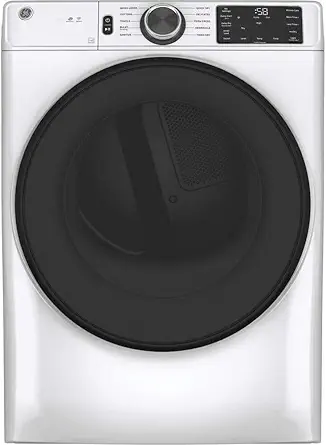
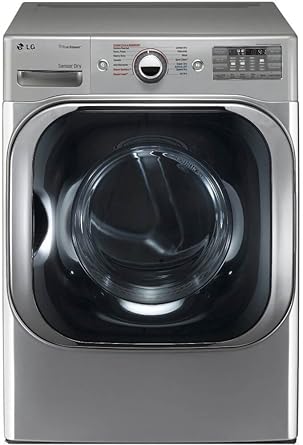
LG vs GE: Overview
Comparing LG and GE helps you determine which brand is best suited for your needs in Dryers. Both brands offer strong choices depending on your budget and key feature requirements.
Key Features & Comparison
Evaluate factors such as build quality, warranty, customer satisfaction, and total value before making your final purchase choice between LG and GE.
Features
From a technological standpoint, LG dryers are built around intelligent automation and connected convenience. The standout feature across most mid-to-high-tier LG units is AI Sensor Dry (AI DD), which leverages advanced algorithmic processing to detect not only moisture levels but also fabric texture, adjusting cycle duration and drum movement accordingly to prevent over-drying. LG's TurboSteam technology is among the most effective on the market, generating true steam to eliminate wrinkles and neutralize odors in minutes. Furthermore, the ThinQ platform provides robust Wi-Fi capabilities, enabling remote cycle monitoring, proactive maintenance alerts, and seamless Smart Pairing, which automatically communicates the wash cycle parameters directly to the dryer for optimal setting selection.
GE counters with a practical, problem-solving feature suite that emphasizes hygiene, physical convenience, and flexible installation. Higher-end GE Profile units boast the UltraFresh Vent System with Microban antimicrobial technology, proactively preventing odors and lint-trap bacteria buildup. GE’s steam cycles are robust, often accompanied by dedicated Sanitize cycles that exceed basic temperature thresholds to kill common household bacteria and allergens. While GE’s SmartHQ ecosystem matches LG’s connectivity with voice assistant compatibility and cycle tracking, GE frequently includes mechanical advantages such as four-way venting options, interior drum lights on lower-priced models, and reversible doors that offer simpler adaptation to cramped or unconventional laundry room layouts.
Performance
In operational performance, LG dryers consistently excel in thermal management, fabric preservation, and acoustic dampening. Utilizing advanced dual-inverter heat pump technology in its ultra-efficient models and finely tuned electric heating elements in conventional lines, LG maintains lower, more consistent drum temperatures. This approach mitigates the risk of thermal shock and premature fiber degradation, making LG particularly adept at handling delicates, synthetics, and technical athletic wear. Furthermore, the brand’s LoDecibel quiet operation systems and heavy-duty drum suspensions ensure that vibration and mechanical resonance are kept to an absolute minimum, even during high-velocity rotation with heavy bedding.
GE's performance profile is engineered around rapid throughput and sheer drying power. GE dryers typically employ high-output heating elements and powerful blower systems designed to move large volumes of air quickly, resulting in slightly faster cycle times for bulky loads such as towels, denim, and heavy cottons compared to LG's more conservative heat curves. The trade-off is a marginally higher operating temperature, which can accelerate wear on delicate fabrics if standard rather than specialized cycles are used. Nevertheless, GE's dual-thermistor sensor drying technology reliably prevents drum overheating, and the brand excels in maintaining consistent airflow even through longer, more complex residential exhaust duct runs where other dryers might struggle with backpressure.
Design
LG’s aesthetic is distinctly sleek, contemporary, and minimalist, engineered to serve as an attractive focal point in modern, open-concept homes or high-end utility closets. LG dryers feature seamless, integrated control panels—often embedded directly within the tempered glass doors on flagship models like the WashTower and signature series. The brand favors premium finishes like Black Steel and Graphite, complemented by bright, responsive LED displays and tactile rotary dials. Ergonomically, LG prioritizes ease of access, offering innovations such as the EasyLoad dual-opening door, which can pivot downward like a chute for easy loading from a hamper or swing open to the side for traditional unloading.
GE adheres to a more utilitarian, diverse design language that spans classic, high-back console configurations to the ultra-modern, European-inspired styling of the GE Profile and Café collections. While entry-level GE models maintain traditional mechanical knobs and stamped steel panels built for sheer endurance, its premium offerings showcase brushed metallic accents, customizable hardware, and intuitive capacitive touch interfaces. GE designs are exceptionally forgiving during installation, frequently featuring shallower cabinet depths for closet integration and comprehensive multi-directional venting knockouts. This structural adaptability makes GE a superior ergonomic fit for older homes with restrictive architectural constraints, whereas LG is optimized for modern spaces that demand streamlined elegance.