Samsung vs SPT: Overview
Comparing Samsung and SPT helps you determine which brand is best suited for your needs in Dishwashers. Both brands offer strong choices depending on your budget and key feature requirements.
Key Features & Comparison
Evaluate factors such as build quality, warranty, customer satisfaction, and total value before making your final purchase choice between Samsung and SPT.
Features
Samsung’s feature set is defined by cutting-edge digital integration and mechanical innovation designed to compete in premium retail spaces. Higher-end Samsung units frequently boast technologies like the linear StormWash+ or WaterWall systems, which replace traditional rotating arms with high-pressure spray curtains, alongside specialized zones for heavily soiled cookware. Furthermore, Samsung embeds its SmartThings Wi-Fi connectivity into most lineups, enabling users to monitor cycle times, download specialty cycles, and troubleshoot diagnostics remotely via smartphone. Interior adjustability is also high, with third cutlery racks, height-adjustable middle racks, and fold-down tines allowing for complex loading patterns.
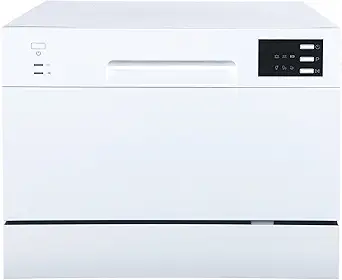
SPT takes a completely opposite, minimalist approach to features, prioritizing practical functionality within tightly constrained dimensions. Rather than smart apps or multi-directional motion bars, an SPT dishwasher offers essential, straightforward cycles: Heavy, Normal, Eco, Glass, and Quick Wash, often managed by simple push buttons and LED indicator lights. High-end features are sparse, though some countertop units incorporate integrated water reservoirs that bypass the need for direct plumbing hookups—a unique and highly practical feature Samsung does not offer. While SPT lacks the sophisticated customization, sanitization options, and automation sensors found in Samsung dishwashers, its simple cycle selections cover standard day-to-day requirements without a steep learning curve.
Performance
In terms of cleaning power and drying efficacy, Samsung leverages advanced soil sensors and dynamic spray patterns to handle stubborn, baked-on food residues. The inclusion of dedicated power-wash zones ensures that heavily crusted pots and pans receive targeted, high-pressure water flow. Where Samsung truly excels compared to budget compacts is sound insulation; many of their mid-to-upper-tier units run between an ultra-quiet 39 to 44 decibels, utilizing multi-layer insulation blankets and brushless digital inverter motors. For drying, Samsung often uses an AutoRelease door feature that automatically pops the door open at the end of the cycle to let steam escape, drastically improving plastic drying without melting sensitive items.
SPT dishwashers perform admirably given their size, easily tackling fresh food soils, coffee stains, and standard plate grease using high-temperature wash cycles and standard internal heating elements. However, their physical constraints yield inherent performance trade-offs. The spray coverage is limited by compact dual-arm mechanics, requiring users to be far more deliberate when loading to prevent spray shadows. Acoustically, SPT models are noticeably louder, typically operating between 52 and 55 decibels, which can be conspicuous in the open-concept or studio apartments where they are most frequently installed. Drying is largely reliant on residual heat (condensation drying), which works well for ceramic and metal but leaves plastic containers noticeably damp.
Design
Samsung treats dishwasher design as an extension of high-end kitchen architecture. Their portfolio includes fingerprint-resistant stainless steel, matte black, and the customizable Bespoke glass-panel lineup that allows homeowners to match the appliance with their exact interior palette. Controls are frequently hidden on the top edge of the door for a clean, monolithic front profile, accentuated by subtle pocket handles and recessed indicator lights. Inside, the tub is almost universally seamless stainless steel, providing durability, odor resistance, and improved heat retention that supports modern condensation drying methods.
SPT prioritizes utility, space efficiency, and durability over high-fashion aesthetics. Built primarily as countertop, 18-inch slimline, or portable roll-away units, SPT appliances feature visible front-facing control panels with basic digital readout displays and tactile membrane buttons. Exterior finishes are generally limited to basic white, black, or standard silver/stainless steel tones with utilitarian plastic trim. Despite their utilitarian exterior, many SPT models feature full stainless steel interiors, which is a significant quality marker at their price point, resisting stains and high wash temperatures far better than the plastic tubs commonly found in budget appliances.