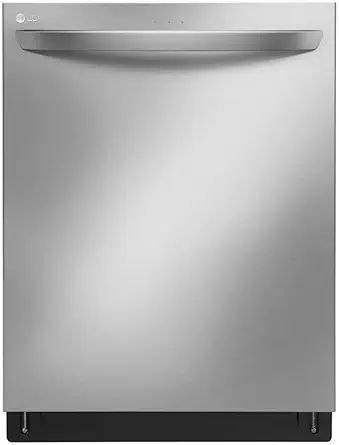
LG vs GE: Overview & Brand Philosophy
When selecting a modern dishwasher, LG and GE represent two distinct approaches to kitchen appliance engineering. LG, a South Korean technology titan, has disrupted the major appliance market over the past two decades by emphasizing motor innovation, digital connectivity, and sleek, minimalist aesthetics. In the dishwasher segment, LG focuses heavily on direct-drive motor mechanics, steam-cleaning cycles, and whisper-quiet operation. The brand caters to consumers seeking an intuitive, high-tech experience with high energy efficiency and contemporary styling.
Conversely, General Electric (GE)—whose appliance division is now owned by Haier while maintaining its American design and manufacturing operations—relies on a century-long legacy of domestic utility and robust mechanical design. GE’s dishwasher lineup emphasizes brute-force cleaning power, comprehensive cycle configurations, and heavy-duty water filtration. With an expansive product catalog spanning entry-level builder units up to premium GE Profile and luxury Monogram suites, GE builds appliances designed to tackle the heavily soiled, un-rinsed cookware typical of busy American households.
The philosophical divide between the two brands boils down to refined, motor-driven efficiency versus specialized, high-pressure mechanical scrubbing. While LG positions its dishwashers as quiet, smart home components capable of handling everyday tableware with delicate precision, GE views the dishwasher as an unyielding workhorse engineered to blast through baked-on grease via dedicated wash zones and specialized bottle jets.
Key Differences & Technological Comparison
A technical evaluation of LG and GE dishwashers reveals fundamental differences in drive systems, spray arm configurations, drying methodologies, and connected ecosystems:
Motor and Drive Systems: LG sets the industry benchmark in motor design with its Inverter Direct Drive motor. By eliminating belts and pulleys and coupling the motor directly to the impeller, LG minimizes moving parts, which drastically reduces mechanical wear and operational noise (many LG models operate between 40 and 44 dBA). GE utilizes a more traditional split-system motor setup across its core lineup. While modern GE dishwashers are considerably quieter than their predecessors, their pump mechanisms are generally louder decibel-for-decibel compared to similarly priced LG units.
Washing Technology and Spray Arms: LG relies on its QuadWash technology, which incorporates four spray arms instead of the conventional two, with two of the arms utilizing oscillating, multi-directional motion to blanket dishes from multiple angles. Additionally, LG integrates TrueSteam technology, using an onboard steam generator to penetrate dried-on food and eliminate the need for pre-rinsing while mitigating water spots. GE counters with sheer mechanical water pressure and targeted cleaning zones. GE dishwashers frequently feature specialized deep-clean silverware jets beneath the cutlery basket, four dedicated bottle wash jets built into the upper rack, and variable-pressure wash arms that scour hard-to-reach areas.
Drying Mechanics: Drying is often the battleground where modern dishwashers struggle due to energy-efficiency standards. GE addresses this aggressively with its UltraFresh System and Dry Boost technology with dual fans, which active-vents moist air to dry plastics far more effectively than passive systems. Premium GE models also use hidden heating elements to elevate drying temperatures. LG traditionally relies on a hybrid condensation drying system, though newer, higher-end models feature Dynamic Heat Dry or an auto-releasing door feature that pops open at the cycle's end to vent steam naturally.
Smart Connectivity: LG leads in digital integration through its proprietary ThinQ ecosystem. LG dishwashers provide cycle monitoring, remote starting, and proactive customer care alerts that diagnose mechanical anomalies before catastrophic failure occurs. GE employs SmartHQ, which is robust and pairs well with platforms like Amazon Alexa and Google Assistant, but LG’s interface and diagnostics remain more seamlessly integrated with other smart home appliances.
Pros & Cons Comparison
LG Dishwashers
- Pro: Inverter Direct Drive motor provides exceptionally quiet operation and is backed by a 10-year motor warranty.
- Pro: TrueSteam functionality softens baked-on soil and drastically reduces water spots on glassware.
- Pro: QuadWash spray arms provide multi-angle water coverage for consistent cleaning of standard loads.
- Pro: Sleek, handleless or pocket-handle designs complement minimalist modern kitchens.
- Con: Condensation drying on mid-range models struggles to thoroughly dry plasticware.
- Con: Rack tines on some models feel less rigid when loading heavy, cast-iron or stoneware items.
GE Dishwashers
- Pro: Industry-leading specialized cleaning features, including dedicated silverware jets and bottle wash jets.
- Pro: Dry Boost and fan-assisted heating elements produce superior drying performance on plastics.
- Pro: Sturdy, utilitarian rack designs capable of handling oversized, heavy cookware with ease.
- Pro: Widespread availability of replacement parts and a massive nationwide independent service network.
- Con: Base and mid-tier models often run louder (dBA) than identically priced LG competitors.
- Con: More internal moving parts within the wash system can mean higher frequency of minor wear-and-tear repairs over time.
Performance, Durability & Value Analysis
From an operational standpoint, both brands deliver clean dishes, but they excel in different load scenarios. LG dishwashers shine when processing mixed loads containing delicate glassware, thin ceramics, and moderately soiled plates; the QuadWash and TrueSteam systems treat delicate items gently while ensuring thorough sanitation without etching. GE demonstrates superior raw performance when dealing with heavily soiled cookware, greasy casserole pans, and protein-heavy residue. For households that refuse to rinse dishes prior to loading, GE’s hard-food disposal filtration and high-pressure jet zones provide a marginal edge in soil removal consistency.
Regarding durability and long-term ownership costs, the two brands offer distinct trade-offs. LG’s core motor assembly is historically durable due to the absence of drive belts, but its complex electronic control boards can be sensitive to electrical surges, and sourcing certified technicians in rural areas can occasionally prove challenging. GE appliances feature mechanical systems that may require standard maintenance—such as pump seals or valve replacements—around year five to seven, but their parts are ubiquitous, inexpensive, and can be serviced by almost any appliance technician in North America. In terms of value, LG typically offers lower decibel ratings and smart features at lower price thresholds, while GE offers more heavy-duty hardware and reliable drying performance dollar-for-dollar.
Final Verdict: Which Brand Should You Choose?
Choose an LG dishwasher if your primary priorities are whisper-quiet operation, energy efficiency, modern aesthetics, and glassware care. LG is the superior choice for open-concept living spaces where dishwasher noise can disrupt conversation or television viewing. It is also ideal for tech-forward homeowners who value smartphone integration, automated cycle tracking, and gentle, steam-assisted cleaning without having to pay ultra-luxury European prices.
Choose a GE dishwasher if you want uncompromising cleaning power, bone-dry dishes straight out of the cycle, and heavy-duty rack components. GE is the better option for large, active families who wash plenty of sports bottles, heavy pots, and plastic storage containers that standard condensation drying cannot handle. Additionally, if you live outside a major metropolitan area, GE’s robust service network and straightforward mechanical architecture make it the more practical, low-friction long-term investment.
Features
When comparing the feature sets of LG and GE dishwashers, the core divergence lies in LG’s emphasis on steam-based sanitization and digital motor control versus GE’s focus on mechanical, targeted water delivery. LG’s technological flagship is its TrueSteam generator combined with QuadWash technology. Rather than relying solely on traditional dual-spray arms, LG integrates four spray arms, two of which feature multi-motion oscillating blades engineered to spray water at varying angles throughout the cycle. This, coupled with the penetration of high-temperature steam, excels at breaking down baked-on food residues and minimizing water spots on glassware without aggressive pre-rinsing. In contrast, GE tackles stubborn soil through brute-force hydraulic engineering, most visibly via its dedicated bottle wash jets embedded directly into the upper rack and specialized silverware spray jets beneath the cutlery basket. GE’s Deep Clean silverware jets blast water upward directly through the basket compartments, an engineering solution that often outperforms LG’s reliance on generalized ambient spray for heavily soiled, nested flatware.
Drying performance highlights another critical architectural divide between the two brands. LG primarily utilizes hybrid condensation drying alongside its auto-release door mechanism (available on select higher-tier models), which pops open at cycle completion to let moisture evaporate naturally. While energy-efficient and safer for plastics placed on any rack, condensation drying can leave Tupperware slightly damp. GE, conversely, offers superior flexibility with traditional exposed or hidden calrod heating elements paired with active fan-assisted systems like Dry Boost and the more advanced Twin Turbo Dry. GE’s dual-fan system actively pulls moist air out of the tub while circulating heated air, delivering significantly drier plastics straight from the cycle, albeit with higher energy consumption. Regarding interior mechanics, LG holds an advantage in rack modularity with its EasyRack Plus system, offering color-coded, foldable tines on all levels and a height-adjustable third rack that accommodates everything from flatware to small espresso cups with greater versatility than GE’s standard third-rack configurations.
In terms of smart features and cycle customization, LG’s ThinQ platform provides a more cohesive and sophisticated ecosystem than GE’s SmartHQ, offering downloadable specialty cycles (such as Night Clean or Delicate Glassware), remote cycle monitoring, and integration with LG ranges to auto-select wash cycles based on cooking data. However, GE counters with exceptional mechanical utility, such as hard food disposers integrated directly into the filtration system on select legacy models—sparing users from manual filter maintenance—and localized "Wash Zones" that allow true half-load washing localized strictly to the upper or lower rack. Ultimately, the trade-off comes down to user priorities: LG offers a quieter, technologically refined experience with superior steam sanitation, gentle handling, and flexible loading, whereas GE delivers unmatched targeted cleaning power for tall drinkware and flatware alongside superior, foolproof plastic drying performance.
Performance
When evaluating cleaning and drying performance, LG and GE approach dishwashing with distinct engineering philosophies that yield different day-to-day results. LG centers its performance capability on inverter direct-drive motor technology and specialized spray mechanics. Its flagship QuadWash system utilizes four multi-motion spray arms equipped with oscillating jets to ensure comprehensive coverage, notably minimizing dead zones in the corners of the tub. Where LG truly pulls ahead in technical execution is with its TrueSteam technology, which uses a built-in steam generator to penetrate baked-on food soils during the pre-wash cycle and significantly reduce water spots during the final rinse. While this engineering makes LG exceptionally capable at gentle, widespread soil removal and glassware care, cycle times can be lengthy, and users with heavily encrusted cookware occasionally find the lower rack's mechanical water pressure less aggressive than traditional systems.
GE takes a more robust, hydraulic-force approach to performance, engineering its wash systems with high-pressure, targeted mechanical action. Central to GE’s performance advantage are its dedicated bottle wash jets, which are integrated into the upper rack to blast water deep inside tall, narrow drinkware, and specialized silverware jets mounted beneath the cutlery basket to prevent spoon-nesting and residual residue. In higher-tier models and within its Profile line, GE employs the UltraFresh system to combat the stagnant moisture and odors that often plague modern dishwashers, actively circulating fresh air between cycles. On the cleaning front, GE generally excels in raw scrubbing power for pots and pans, tearing through baked-on starches and proteins with brute hydraulic force, though it lacks the advanced steam-based spot prevention that LG masters.
The drying performance creates another crucial trade-off between the two brands. LG relies primarily on condensation drying—supplemented in newer models by its Dynamic Heat Dry or auto-opening Door Open system—which excels at energy efficiency and prevents melted plastics on the bottom rack, yet frequently leaves lightweight Tupperware slightly damp. In contrast, GE frequently equips its dishwashers with dedicated heating elements combined with actively vented fan systems (Dry Boost technology). This active, high-heat approach produces vastly superior results on plastics and dense dishware loads right out of the cycle. Ultimately, LG offers a superior technical edge for users prioritizing delicate care, spotless glassware, and quiet, energy-efficient steam cleaning, whereas GE remains the better practical performer for households tackling heavy grease, deep drinkware, and demanding drying requirements.
Design
When evaluating the design philosophy of LG and GE dishwashers, the two brands showcase fundamentally different approaches to aesthetic integration and interior architecture. LG champions a sleek, contemporary, and minimalist aesthetic, often favored in modern kitchen designs. Its exterior profiles frequently feature seamless pocket handles, fingerprint-resistant finishes in standard and black stainless steel, and discreet top-control LED panels that contribute to a clean facade. Beneath the surface, LG’s interior engineering revolves around high-grade stainless steel tubs across almost all tiers and the proprietary EasyRack Plus or Max system. This rack design provides exceptional adaptability with foldable tines and one-touch height adjustments, engineered specifically to accommodate diverse culinary gear. In contrast, GE balances traditional industrial functionality with modern flair, offering robust bar handles alongside pocket-handle variants, and a wider variety of exterior finish choices, including classic slate, black slate, white, and standard stainless steel, allowing for broader compatibility with varied cabinetry styles.
From a mechanical design and technical execution perspective, both manufacturers leverage unique strengths that cater to different practical priorities. LG integrates direct-drive inverter motors, a critical design choice that reduces moving parts, significantly cuts down operational noise to ultra-quiet levels (often between 40 to 46 dBA), and conserves interior vertical clearance. This motor configuration also powers LG’s QuadWash system, which uses four articulating spray arms rather than the standard two, delivering wider spray coverage from a compact mechanism. GE, particularly in its Profile and Café sub-lines, counters with an intensely targeted engineering layout highlighted by its dedicated silverware and bottle-wash jets. GE designs its upper racks with deep tines and integrated spray nozzles positioned directly beneath tall glassware and water bottles, solving a major usability pain point. Furthermore, GE often features durable ball-bearing rack glides that feel sturdier under heavy loads compared to LG's lighter, plastic roller wheels.
The practical trade-offs between the two brands ultimately boil down to versatility versus brute-force utility. LG’s design advantage lies in its spatial efficiency and whisper-quiet operation; the inclusion of an adjustable third rack for cutlery creates superior day-to-day loading flexibility, though some users find the tine spacing occasionally awkward for deep, non-standard bowls. GE prioritizes tactile sturdiness and heavy-duty utility, offering interior configurations that excel at securing challenging cookware and targeted zone cleaning, but entry-to-mid-tier models may rely on hybrid or plastic tub construction that falls short of LG’s near-universal stainless-steel standard. For consumers seeking high-tech ergonomics, seamless cabinetry integration, and modern minimalism, LG holds a slight design edge, whereas GE remains the preferred choice for those desiring rugged mechanical layouts, specialized washing hardware, and broader finish palettes.