TCL vs LG: Overview
Comparing TCL and LG helps you determine which brand is best suited for your needs in Air Conditioners. Both brands offer strong choices depending on your budget and key feature requirements.
Key Features & Comparison
Evaluate factors such as build quality, warranty, customer satisfaction, and total value before making your final purchase choice between TCL and LG.
Customer Support & Warranty
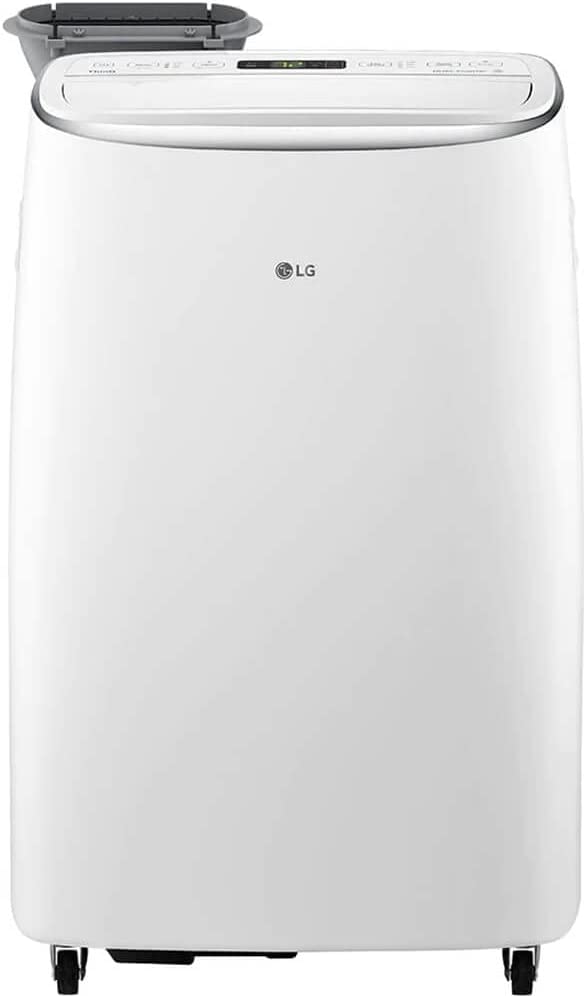
LG establishes a clear benchmark in after-sales service and warranty protection, particularly through its dedicated component guarantees. The centerpiece of LG's warranty offering is its 10-year coverage on the Dual Inverter compressor, which provides substantial long-term peace of mind, alongside a standard one-year limited warranty on overall parts and labor. LG backs this hardware with a mature customer support infrastructure, featuring responsive digital channels, app-based diagnostic tools via ThinQ, and an expansive network of certified service technicians. This deep logistical footprint minimizes turnaround times for warranty claims, parts replacements, and localized repairs.
TCL, positioned primarily as a value-oriented brand, delivers a more basic warranty framework that typically matches industry minimums—often providing a standard one-year limited warranty for general parts and labor, though select split-system models may offer extended compressor coverage up to five years depending on regional distribution. While TCL has steadily improved its technical support capabilities and introduced direct online claim processing, customer experiences frequently cite longer wait times for specialized technicians and occasional delays in sourcing proprietary replacement components. For homeowners prioritizing reliable lifetime serviceability and effortless warranty processing, LG maintains a distinct structural advantage over TCL.
Energy Efficiency
LG is widely regarded as a market leader in energy efficiency, heavily driven by its proprietary Dual Inverter compressor technology. Unlike conventional single-piston or standard inverter systems, LG's twin-rotary setup continuously adjusts operating speed with exceptional precision, significantly curbing the power spikes associated with frequent cycling. Most LG mini-split and portable units achieve superior Seasonal Energy Efficiency Ratio (SEER) and Combined Energy Efficiency Ratio (CEER) ratings, earning consistent Energy Star certifications. The integration of LG's ThinQ ecosystem also permits granular, real-time energy monitoring and automated conservation modes, helping users actively trim their monthly utility expenses.
TCL has made aggressive strides in the efficiency arena by transitioning a large portion of its lineup to smart inverter architectures, yet it generally trails LG in real-world energy conservation. TCL’s inverter models provide respectable efficiency that comfortably exceeds baseline non-inverter options, rendering them cost-effective choices for budget-minded consumers. However, their operational algorithms are less refined, leading to slightly broader temperature swings and modest energy losses during sustained operation. While TCL delivers dependable efficiency relative to its lower upfront purchase price, LG provides superior engineering that yields higher long-term thermodynamic savings.
Noise Level
When evaluating acoustic performance, LG holds an engineering upper hand due to its Dual Inverter platform and aerodynamically optimized fan blades. By utilizing dual compression chambers, LG effectively neutralizes mechanical vibrations and eliminates the harsh mechanical hum typically associated with single-cylinder compressors. Many LG room air conditioners operate at sound levels as low as 44 dBA in standard cooling modes and sub-25 dBA on sleep or low settings, rendering them virtually imperceptible in everyday environments. The skew fan design further smooths out airflow turbulence, creating a low-frequency hum that is far less intrusive to sleep or focused work.
TCL units are adequately quiet for their price point, but they do not match the ultra-silent thresholds engineered by LG. In mid-to-high fan stages, TCL air conditioners tend to produce noticeable wind shear and cabinet resonance, with baseline operational sound levels generally hovering between 50 and 58 dBA. While TCL integrates sleep modes and variable fan speeds designed to tamp down decibel output at night, the sudden re-engagement of the compressor can occasionally introduce audible clicks and low-frequency vibrations. For installations in master bedrooms, nurseries, or home offices where absolute acoustic neutrality is paramount, LG remains the more refined solution.
Cooling Performance
LG's cooling capabilities are defined by rapid thermal pull-down, high airflow velocity, and precise temperature stabilization. Leveraging its high-capacity Dual Inverter compressor, an LG unit can run at higher-than-rated speeds in turbo cooling modes, allowing it to bring a sweltering room down to the set point far faster than traditional systems. Furthermore, LG units excel at ambient dehumidification, maintaining a dry, crisp environment even under high relative humidity. The sophisticated 4-way swing louvers and micro-step airflow regulation ensure an even distribution of chilled air throughout the room, effectively eliminating warm pockets in larger architectural spaces.
TCL delivers straightforward, high-impact cooling performance that is impressive for its entry-to-mid-range price tier, relying on robust, high-CFM (cubic feet per minute) blower assemblies. TCL’s fast-cooling algorithms deliver an immediate blast of cold air that quickly chills standard-sized rooms, making them highly capable workhorses in climates with extreme heat waves. However, TCL units struggle slightly with micro-climate management; temperature fluctuations around the thermostat set point tend to be wider by 1 to 2 degrees Fahrenheit compared to LG, and dehumidification efficiency drops off during low-speed cooling cycles. Ultimately, TCL provides potent raw cooling output, whereas LG provides superior thermal consistency and climate refinement.