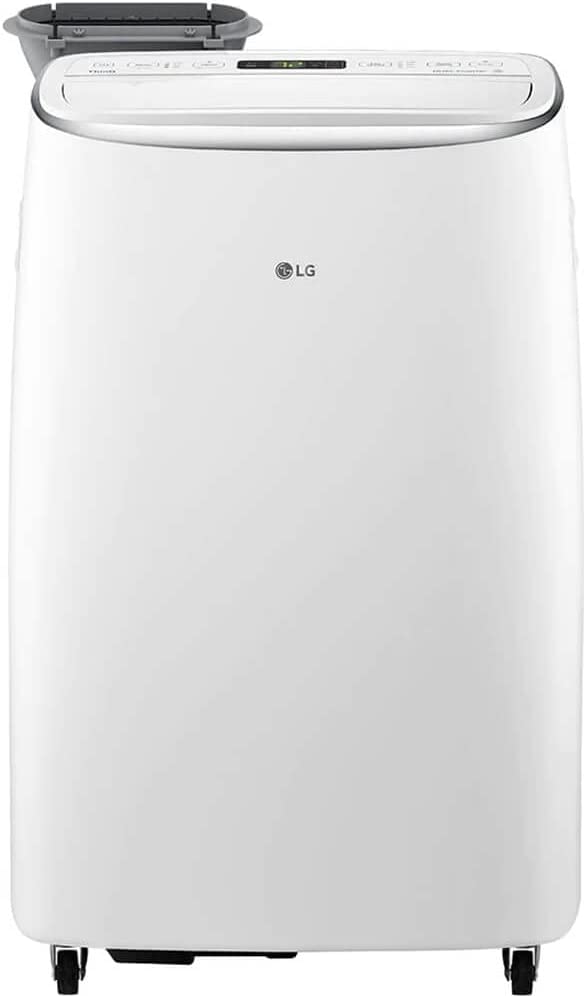



LG vs Whirlpool: Overview & Brand Philosophy
In the competitive landscape of residential climate control, few names carry as much weight as LG and Whirlpool. Both conglomerates boast decades of consumer trust, yet their approaches to modern air conditioning are distinctly different. LG Electronics, a South Korean tech titan, approaches HVAC appliances with an engineering philosophy rooted in digital innovation, proprietary inverter technology, and hyper-connectivity. The brand consistently pushes the envelope in smart-home integration and ultra-quiet performance, positioning itself as a premium yet accessible choice for tech-forward homeowners.
Conversely, Whirlpool embodies classic American industrial reliability. With a legacy spanning over a century, the Michigan-based manufacturing giant emphasizes rugged utility, straightforward mechanics, and intuitive user experiences. Whirlpool’s air conditioner lineup—spanning window units, portables, and split systems in select international markets—is engineered to deliver rapid, no-nonsense thermal relief without encumbering consumers with steep learning curves or inflated price tags driven by non-essential digital novelties.
Choosing between these two industry stalwarts requires balancing high-tech refinement against practical functionality. While LG actively redefines the thermal appliance sector by standardizing dual-inverter architectures and AI-driven energy optimization, Whirlpool maintains a stronghold among budget-conscious buyers and rental operators who prioritize mechanical simplicity, durable heat exchangers, and widespread service availability over cutting-edge automation.
Key Differences & Technological Comparison
The primary technological divergence lies in compressor mechanics. LG has heavily standardized its proprietary DUAL Inverter Compressor™ across nearly all product tiers. Unlike traditional single-speed compressors that aggressively cycle on and off, LG's dual-rotary design continuously adjusts speed to maintain exact temperatures. This results in up to 40% faster cooling, dramatic vibration reduction, and operational sound levels dipping as low as 44 dBA on low settings. Whirlpool, while offering inverter models in specific split lineups, predominantly leverages conventional rotary compressors in its entry-to-mid-range window and portable catalogs, which operate with a more perceptible acoustic footprint and higher cycling energy draw.
In the realm of smart home capabilities, LG decisively outpaces Whirlpool. LG’s native ThinQ ecosystem transforms the air conditioner into an active node within the connected home, enabling voice integration via Google Assistant and Amazon Alexa, granular real-time kilowatt-hour monitoring, and smart scheduling. Whirlpool’s smart connectivity, branded through the Whirlpool App, handles basic functions such as remote temperature adjustment and mode toggling adequately, but lacks the predictive diagnostics, automated geofencing, and sophisticated energy dashboards native to LG's software suite.
When examining build architecture and filtration, both brands present solid, differentiated solutions. LG champions its Gold Fin™ and Ocean Black anti-corrosive coatings, specifically formulated to protect condenser coils against saline sea spray, acid rain, and airborne pollutants, making them exceptional for coastal or humid environments. Whirlpool counters with robust galvanized steel casings, washable antimicrobial filters, and its Sixth Sense (6th Sense) temperature management technology, which uses dedicated sensors to automatically alternate between cooling, dehumidification, and fan-only modes based on real-time ambient conditions.
Pros & Cons Comparison
LG Air Conditioners
- Pro: DUAL Inverter technology ensures ultra-quiet operation and industry-leading energy efficiency ratings (CEER/SEER).
- Pro: Best-in-class ThinQ smart ecosystem with comprehensive diagnostics and smart-speaker compatibility.
- Pro: Premium anti-corrosion condenser coatings ensure longevity in coastal and humid climates.
- Pro: Sleek, modern industrial design that integrates seamlessly with contemporary interior aesthetics.
- Con: Higher upfront capital expenditure across comparable BTU capacity classes.
- Con: Proprietary electronic components can entail higher repair costs once out of warranty.
Whirlpool Air Conditioners
- Pro: Highly competitive upfront price points delivering excellent BTU-per-dollar ratios.
- Pro: Intuitive 6th Sense auto-climate technology requires zero programming hassle.
- Pro: Straightforward mechanical engineering means widespread availability of third-party repair parts.
- Pro: Rugged, heavy-gauge steel exterior chassis designed to withstand physical weather impacts.
- Con: Traditional single-stage compressors produce higher operating noise and noticeable cycling vibration.
- Con: Limited smart features and less refined mobile application interface on connected models.
Performance, Durability & Value Analysis
From an ongoing operational standpoint, LG delivers superior long-term thermodynamic efficiency. The variable-speed nature of its dual-inverter motors translates to lower monthly electric bills, allowing the brand's premium retail price to be amortized over three to five years of consistent seasonal usage. Furthermore, LG backs its compressors with an industry-reassuring 10-year component warranty, reflecting deep corporate confidence in its brushless motor assemblies and advanced metallurgy. However, because LG relies extensively on micro-inverter control boards and complex printed circuit assemblies (PCBs), sudden electrical grid fluctuations can pose a vulnerability if dedicated surge protection is neglected.
Whirlpool wins on immediate economic value and repair sustainability. While standard efficiency models will cost slightly more to operate over extended hot summers, Whirlpool's mechanical simplicity is its greatest durability asset. The absence of hyper-complex digital controls in its baseline units means fewer points of catastrophic electronic failure. When repairs are necessary down the road, Whirlpool’s ubiquitous North American parts network ensures that independent HVAC technicians can source universal thermostats, fan capacitors, and blower motors at nominal costs, keeping maintenance expenses predictable and low throughout the appliance's lifespan.
Final Verdict: Which Brand Should You Choose?
Your ultimate decision between LG and Whirlpool hinges on your acoustic tolerance, smart home aspirations, and initial budget threshold.
Choose LG if: You are seeking whisper-quiet performance for a bedroom or home office, prioritize cutting-edge energy conservation to reduce carbon footprints and power bills, or live in a coastal climate where superior anti-corrosion coil treatments are mandatory. LG is the unambiguous choice for consumers willing to invest in long-term refinement and top-tier smart home connectivity.
Choose Whirlpool if: You are shopping on a firm budget, need an immediate high-BTU cooling solution for a rental unit or workshop, and prefer utilitarian appliances with straightforward controls. Whirlpool is the definitive pragmatic choice for buyers who want reliable, punchy cooling power backed by an established mechanical infrastructure without paying a surcharge for digital frills.
Customer Support & Warranty
When evaluating the warranty architecture of LG and Whirlpool air conditioners, both manufacturers demonstrate strong engineering confidence, particularly concerning their core mechanical components, though LG provides a distinct technical edge. LG offers a standard one-year comprehensive parts and labor warranty, supplemented by an industry-leading 10-year warranty specifically covering their proprietary Dual Inverter Compressor. This decade-long guarantee reflects the reduced mechanical friction and advanced BLDC motor engineering inherent to their variable-speed design. Whirlpool similarly backs its units with a one-year full coverage period and extends compressor coverage up to five years on select central and high-capacity split systems. However, Whirlpool’s extended compressor warranty generally omits the labor costs associated with refrigerant recovery and brazing after the first year, creating higher potential out-of-pocket expenses for homeowners compared to LG's more extensive component backing.
In the arena of customer service delivery and remote diagnostics, the divergence between the two brands becomes even more pronounced. LG integrates its SmartThinQ ecosystem across most mid-to-high-tier models, deploying technical features like Smart Diagnosis. This tool allows the AC unit to transmit acoustic or Wi-Fi-based diagnostic data directly to customer service agents, expediting troubleshooting for thermistor failures or low refrigerant scenarios before a technician even arrives. In contrast, Whirlpool relies on a more traditional, analog support framework centered around broad third-party service contractor networks. While Whirlpool’s massive, established North American footprint often translates to rapid parts availability and an abundance of local HVAC technicians familiar with their platforms, their digital support interface is comparatively fragmented, and navigating customer service hotlines frequently involves longer wait times and generalized troubleshooting protocols.
The practical trade-offs for consumers ultimately hinge on the balance between digital diagnostic efficiency and localized repair feasibility. LG delivers a superior technical ownership experience, marked by a significantly longer compressor warranty and automated self-diagnostic tools that eliminate guesswork during warranty claims. The trade-off is that proprietary LG inverter boards and parts can occasionally experience supply-chain backorders, requiring specialized, factory-authorized technicians for servicing. Whirlpool, while lacking the ten-year compressor safety net and sophisticated app-based support mechanisms, offers a simpler, more ubiquitous repair ecosystem where replacement universal contactors, fans, and standard rotary components are easily sourced. For consumers seeking cutting-edge warranty longevity and streamlined digital diagnostics, LG is the clear leader; those who prioritize the ease of finding a local, independent technician without proprietary software constraints may find Whirlpool’s support model sufficiently functional.
Energy Efficiency
When evaluating energy efficiency in the air conditioning sector, LG holds a decisive engineering advantage, largely driven by its proprietary DUAL Inverter Compressor technology. Unlike standard single-rotor or stepped compressors, LG’s dual-rotary design utilizes two compression chambers that operate at varying, ultra-precise motor speeds. This architecture minimizes rotational friction, drastically dampens vibration, and allows the AC to maintain set temperatures while operating at exceptionally low frequencies. Consequently, many of LG’s modern mini-splits and window units boast high Seasonal Energy Efficiency Ratios (SEER2 ratings often pushing past 22 to 24 on premium split models) and CEER ratings well above industry baselines. LG supplements this mechanical efficiency with intelligent software, notably its AI Dual Inverter algorithms and multi-step Active Energy Control, which allows users to physically throttle power consumption down to 80%, 60%, or 40% of standard usage based on ambient load and room occupancy.
Whirlpool approaches energy conservation with a more pragmatic, budget-conscious design philosophy, predominantly leveraging standard single-rotary inverter compressors or, in entry-level units, conventional fixed-speed technology. Their modern inverter lines integrate 6th Sense Intellicool Technology, an automated framework that utilizes ambient temperature and humidity sensors to modulate fan speeds and cooling output dynamically. While this smart adaptation prevents excessive energy waste by preventing the unit from overcooling, Whirlpool’s baseline hardware is mechanically less advanced than LG’s dual-rotor platforms. Whirlpool units routinely meet and slightly exceed federal Energy Star benchmarks—averaging respectable SEER2 ratings in the 16 to 18 range for split systems and competitive CEER ratings for portable and window units—making them fundamentally reliable, though not industry-leading in electrical thriftiness.
The practical trade-off between these two brands comes down to upfront investment versus long-term lifecycle savings. LG represents a superior technological tier for consumers residing in regions with prolonged cooling seasons, high ambient humidity, or exorbitant utility rates, where the compounding operational efficiency of the dual inverter can yield significant utility bill reductions over a 5-to-10-year span. Whirlpool, on the other hand, provides dependable energy conservation at a substantially lower initial retail price. For shoppers cooling smaller rooms, spaces with intermittent usage, or households in temperate climates, Whirlpool's 6th Sense optimization delivers perfectly adequate, code-compliant efficiency without demanding the premium capital investment required by LG’s high-tier hardware.
Noise Level
When evaluating acoustic performance in air conditioners, LG holds a significant engineering advantage over Whirlpool, largely driven by its proprietary Dual Inverter Compressor technology. LG designs its systems with dual-rotary compressors that dynamically vary speed to maintain consistent cooling without the jarring, high-decibel stops and starts typical of single-speed compressors. Coupled with LG's aerodynamically sculpted skewed fan blades and brushless DC (BLDC) motor design, mechanical vibration and wind shear noise are drastically curtailed. In real-world operation, LG split-system and advanced window units (such as the DUAL Inverter series) operate at whisper-quiet levels, often registering as low as 18 to 22 dB(A) in ultra-low or sleep modes. This makes LG a premier choice for bedrooms, nurseries, or home offices where low background noise is paramount.
Whirlpool air conditioners take a more conventional mechanical approach, utilizing their 6th Sense IntelliComfort technology alongside standard rotary and scroll compressors. While Whirlpool’s multi-speed fans and integrated acoustic insulation dampen sound effectively, their designs generally focus on balanced thermodynamic performance rather than cutting-edge decibel suppression. As a result, Whirlpool units tend to run somewhat louder, averaging around 32 to 38 dB(A) on low settings for mini-splits, and hovering around 45 to 55 dB(A) for standard window and portable models. Whirlpool incorporates a dedicated "Silent Mode" or "Sleep Mode," which reduces fan speeds and smooths operational sound, but users will notice a distinct, low-frequency hum during peak cooling phases, particularly when the outdoor ambient temperatures surge and the compressor shifts to maximum capacity.
The practical trade-offs between the two brands come down to acoustic refinement versus budget-friendly utility. LG provides best-in-class silent cooling across both split and premium window configurations, meaning users rarely experience tonal shifts, sudden rattling, or intrusive white noise even under heavy loads. However, this engineering sophistication commands a higher purchase price and potentially costlier repairs for inverter electronics. Conversely, Whirlpool offers dependable cooling power with acceptable noise levels for living rooms or well-insulated spaces at a more accessible price point. Consumers highly sensitive to ambient disruptions or planning installations directly adjacent to sleeping quarters will find LG's acoustic isolation well worth the premium, whereas Whirlpool serves as a capable, functional option where modest operational noise is not a primary concern.
Cooling Performance
When evaluating cooling performance, LG establishes a technical lead through its advanced DUAL Inverter compressor technology. Unlike traditional single-rotor designs, LG’s dual-rotary system operates across a broader frequency range, allowing the unit to ramp up rapidly to peak capacity for fast pull-down times and throttle down smoothly to maintain ultra-stable ambient temperatures. This is paired with proprietary features like AI Dual Inverter and 4-Way or 6-Way swing mechanisms, which actively adjust tonnage based on room occupancy and ensure uniform airflow distribution. LG units, particularly those equipped with the "Himalaya Cool" or "Viraat Mode," demonstrate exceptional thermal pull-down capabilities even in extreme ambient temperatures exceeding 52°C (125°F), preventing performance degradation during severe heatwaves.
Whirlpool counters with robust thermodynamics driven by its 6th Sense IntelliCool Technology and 3D Cool capabilities. Whirlpool engineers its systems with high ambient cooling in mind, utilizing advanced multi-port fluid injection (MPFI) and multi-sensor arrays that gauge indoor humidity alongside temperature to optimize the cooling cycle. The 3D Cool technology, featuring a multi-intake and multi-exhaust architecture, accelerates hot air expulsion while circulating chilled air over longer distances—often up to 12 meters. In practical application, Whirlpool models deliver high-volume, aggressive cooling that is especially effective in large, high-ceilinged spaces or rooms subjected to intense direct sunlight, though their inverter modulation tends to be slightly less granular than LG’s dual-rotor operation.
The primary performance trade-off between the two brands lies in the balance between precision cooling and raw thermal displacement. LG excels in micro-climatic control and consistency; its engineering minimizes temperature fluctuations to within 0.5°C while maintaining exceptional energy efficiency and whisper-quiet operation during continuous loads. In contrast, Whirlpool prioritizes rapid air movement and robust sensible heat removal, which can result in slightly higher operational noise and wider temperature cycling as the compressor modulates. Ultimately, consumers seeking surgical temperature maintenance, whisper-quiet performance, and cutting-edge compressor engineering will find LG superior, while those battling extreme environmental heat loads on a tighter budget will appreciate Whirlpool's aggressive, high-throughput cooling architecture.