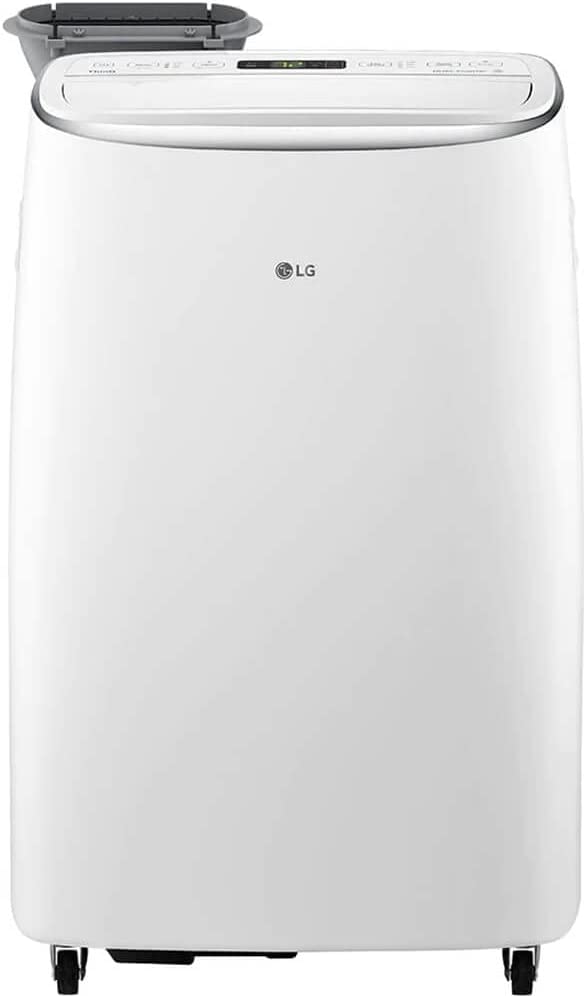
LG vs Honeywell: Overview & Brand Philosophy
When selecting a residential air conditioner, few decisions illustrate the contrast between diversified tech engineering and specialized thermal management as clearly as LG versus Honeywell. LG Electronics, a South Korean multinational conglomerate, approaches climate control through the lens of cutting-edge consumer electronics, continuous mechanical innovation, and seamless smart-home integration. From high-capacity mini-splits to ultra-quiet window units, LG designs its air conditioners around proprietary components—most notably its dual-inverter compressors—aimed at reducing grid draw, lowering operational noise, and providing long-term reliability for modern, connected households.
Honeywell, an American industrial legacy brand with deep roots in commercial aerospace, automation, and temperature regulation, approaches the market from a distinctly functional perspective. While Honeywell's corporate umbrella manufactures complex building management systems, its consumer-facing air conditioning lineup consists predominantly of portable and evaporative air coolers managed under licensed manufacturing partnerships. Honeywell focuses on plug-and-play simplicity, rugged utility, robust filtration, and localized spot-cooling. Rather than trying to automate an entire whole-home ecosystem, Honeywell prioritizes mechanical dependability, user accessibility, and heavy-duty chassis designs built to endure seasonal relocation.
Understanding this philosophical divide is critical for buyers. LG positions itself as a comprehensive cooling pioneer that reinvents mechanical efficiency through digital control, inverter technology, and silent operation across multiple form factors. Honeywell, conversely, appeals to consumers who need immediate, reliable spot cooling without complex installation footprints, leveraging decades of trust in domestic heating, ventilation, and air filtration.
Key Differences & Technological Comparison
The most profound technical disparity between the two brands lies in compressor engineering. LG has transitioned virtually its entire premium air conditioning lineup—spanning window, portable, and ductless split systems—to Dual Inverter compressors. Traditional air conditioners utilize single-speed rotary compressors that repeatedly switch on at 100% capacity and shut off entirely, causing substantial temperature swings and electrical spikes. LG's twin-rotor variable-speed design operates continuously at modulated frequencies, adjusting cooling capacity incrementally. This yields up to 40% faster cooling, up to 25–40% greater electrical efficiency, and acoustic output as low as 44 dBA. Honeywell air conditioners predominantly utilize traditional single-stage fixed-speed compressors. While mechanically durable and straightforward to repair, these units experience the classic hard-start cycles that consume more peak amperage and generate more ambient vibration.
In terms of smart connectivity and ecosystem integration, LG holds a decisive advantage. Powered by its proprietary ThinQ platform, LG air conditioners offer native Wi-Fi, bidirectional energy consumption tracking, remote scheduling, voice assistant compatibility (Amazon Alexa and Google Assistant), and Smart Diagnosis diagnostics. Honeywell offers select smart portable models featuring Wi-Fi connectivity and voice controls via the Honeywell Air Comfort app; however, the feature set is more utilitarian, focusing strictly on basic operational toggles, target temperature settings, and fan speeds rather than advanced energy analytics or whole-home automation integration.
When analyzing product range and installation versatility, the brands diverge sharply. LG provides an expansive catalog including ductless mini-split heat pumps, traditional window units, U-shaped saddle units, and dual-hose portable air conditioners. Honeywell focuses almost exclusively on the portable segment, offering single-hose and select dual-hose portable ACs alongside a wide fleet of evaporative swamp coolers suited for arid climates. Furthermore, Honeywell prioritizes advanced air treatment integration, frequently outfitting its portable units with dual-stage filtration, activated carbon odor filters, and electrostatic wash screens that reflect the company's clean-air heritage.
Pros & Cons Comparison
LG Air Conditioners
- Pro: Dual Inverter Technology: Delivers exceptional energy efficiency, steady room temperatures, and dramatically lower utility bills compared to fixed-speed units.
- Pro: Ultra-Quiet Operation: Advanced BLDC fan motors and balanced twin-rotary compressors make LG units some of the quietest on the market, ideal for bedrooms and home offices.
- Pro: Comprehensive Product Line: Offers solutions ranging from permanent ductless multi-zone systems to temporary window and portable installations.
- Pro: ThinQ Smart Platform: Industry-leading remote connectivity with deep energy usage monitoring and intuitive voice controls.
- Con: Higher Initial Cost: Advanced inverter hardware and digital features command a higher purchase price compared to standard models.
- Con: Complex Electronics: Sophisticated printed circuit boards (PCBs) and inverter logic mean that repairs out of warranty often require specialized technicians.
Honeywell Air Conditioners
- Pro: Robust Plug-and-Play Portability: Highly durable caster wheels, sturdy carry handles, and intuitive window venting kits make seasonal deployment straightforward.
- Pro: Superior Filtration Options: Integrated multi-stage filtration traps pet dander, dust, and VOCs more effectively than basic nylon AC screens.
- Pro: Lower Upfront Investment: Straightforward mechanical designs offer high BTU cooling capacity per dollar spent.
- Pro: Simplified Maintenance: Readily available replacement exhaust kits, accessible drainage ports, and lower component complexity allow for easier DIY troubleshooting.
- Con: Single-Speed Operational Noise: Fixed-speed compressor cycles can produce noticeable hums and sudden acoustic shifts that may disturb light sleepers.
- Con: Limited Form Factors: Consumers seeking high-efficiency window units or whole-home mini-split systems will not find viable options in Honeywell's consumer catalog.
Performance, Durability & Value Analysis
From an operational standpoint, LG outperforms Honeywell in steady-state thermal consistency and raw thermodynamic efficiency. In real-world thermal testing, LG's inverter-driven units pull a room down to target temperature rapidly, then de-rate their electrical draw to maintain temperature within a tight ±0.5°F band. Honeywell units exhibit the wider ±2.0°F fluctuation typical of cycling single-speed compressors. In terms of long-term durability, LG backs its Dual Inverter compressors with extended warranties (often up to 10 years on the compressor component), protected by Gold Fin anti-corrosion condenser coatings that prevent breakdown in humid or coastal environments. However, the lifespan of LG's control boards can be vulnerable to severe grid power surges if not paired with appropriate outlet surge protection.
Honeywell counters with mechanical ruggedness and lower long-term complexity. Because Honeywell’s portable units rely on well-established, non-inverter refrigeration circuits and heavy-gauge plastic housings, they exhibit high resilience against physical impacts and seasonal storage in attics or garages. In terms of economic value, Honeywell excels on short-term ROI for supplemental cooling. A renter needing to drop the temperature in a single living room during a heatwave will find Honeywell's upfront cost significantly more attractive. LG, conversely, delivers superior value over a 3- to 7-year horizon, where its lower kilowatt-hour consumption offsets the higher retail entry price, particularly in regions with high electrical rates.
Final Verdict: Which Brand Should You Choose?
Choosing between LG and Honeywell ultimately comes down to your installation constraints, acoustic tolerance, and long-term financial horizon.
Choose LG if: You are looking for a window unit, a ductless mini-split, or a top-tier portable unit where ultra-quiet operation is mandatory (such as in a bedroom or nursery). LG is the definitive choice for homeowners, tech-focused consumers, and anyone living in areas with high electricity costs who will run their air conditioner constantly throughout the summer. The superior efficiency of the Dual Inverter compressor and the depth of the ThinQ ecosystem justify the higher initial investment.
Choose Honeywell if: You specifically need a heavy-duty portable air conditioner or an evaporative cooler for immediate spot cooling. Honeywell is the optimal choice for renters who cannot modify their windows, budget-conscious consumers looking for reliable cooling without high upfront equipment costs, and individuals with allergies who place a high premium on robust air filtration alongside climate control.
Customer Support & Warranty
When assessing warranty structures and back-end reliability in the air conditioning sector, LG holds a decisive advantage over Honeywell, largely driven by its proprietary inverter engineering. LG backs its residential cooling lineup—encompassing dual-inverter window, portable, and mini-split units—with an industry-leading 10-year warranty on the inverter compressor, complemented by a standard 1-year limited warranty covering parts and labor. This tiered protection underscores LG's confidence in its brushless DC motor architecture, which minimizes mechanical friction and thermal stress compared to conventional rotary compressors. Conversely, Honeywell air conditioners—which are produced under brand licensing agreements by multinational consumer electronics manufacturers like JMATEK—typically offer a standard 1-year limited warranty with occasional 5-year coverage strictly limited to the sealed refrigeration system on select portable models. From an asset-protection perspective, LG provides significantly higher long-term security against catastrophic component failure, whereas Honeywell operates within the baseline parameters typical of outsourced, consumer-grade appliances.
The operational infrastructure supporting customer service highlights clear operational divergences between an integrated hardware giant and a licensed brand entity. LG delivers an extensive enterprise-level support ecosystem, deploying direct warranty administration through phone, live chat, and its unified ThinQ smart diagnostics platform. This proprietary IoT integration allows consumers and technicians to pinpoint compressor faults, sensor failures, and refrigerant issues through digital error codes before a service truck ever rolls. Furthermore, LG maintains a massive, vetted network of authorized field service technicians capable of on-site diagnostic and component-level repairs, although consumers occasionally report bureaucratic delays and administrative friction when dealing with third-party warranty dispatch in rural areas. In contrast, Honeywell's support network for climate products relies heavily on regional distribution partners like JMATEK. While Honeywell's portal-based support, email ticketing, and direct hotline are generally responsive for troubleshooting and fast-tracking direct unit replacements during the initial warranty phase, their field-service infrastructure is practically non-existent for portable units; failures typically necessitate product swaps rather than component-level repairs.
From a lifecycle investment standpoint, the trade-offs between the two brands hinge on product longevity versus replacement convenience. LG is engineered for users investing in permanent or semi-permanent cooling solutions, where the robust 10-year compressor warranty acts as an essential safeguard for high-efficiency, variable-speed machinery that demands specialized labor. Honeywell remains a pragmatic choice for consumers seeking accessible, budget-conscious portable units, where a straightforward, low-friction replacement process during year one is prioritized over a decade-long service commitment. Ultimately, for comprehensive warranty depth, preventative diagnostic engineering, and scalable enterprise support, LG sets the technological and protective benchmark, while Honeywell delivers an adequate, albeit outsourced, safeguard for short-to-mid-term seasonal usage.
Energy Efficiency
When evaluating energy efficiency in the air conditioning sector, LG holds a decisive engineering advantage, primarily driven by its proprietary Dual Inverter Compressor technology. Unlike traditional fixed-speed compressors that operate on an inefficient, binary on-or-off cycle, LG’s dual-rotary design constantly varies motor speed to maintain precise temperatures with minimal power fluctuation. This allows LG units—ranging from their premium window models to their ductless mini-splits—to achieve industry-leading Seasonal Energy Efficiency Ratios (SEER) often exceeding 20 on ductless systems and high Combined Energy Efficiency Ratios (CEER) across their window lineups. Furthermore, many LG models qualify for the EPA’s Energy Star "Most Efficient" designation, backed by advanced software features like the Energy Display, Smart Diagnosis, and the ThinQ app, which allows users to set automated schedules, monitor active kilowatt-hour usage, and throttle energy draw during peak utility hours.
Honeywell, whose portable and window air conditioners are manufactured under license by the JMATEK Group, approaches energy efficiency from a more utilitarian, budget-conscious engineering perspective. Honeywell units typically utilize conventional single-speed compressors paired with eco-friendly R32 or R410A refrigerants. While select Honeywell portable units boast competitive Energy Efficiency Ratios (EER) via dual-hose technology—which mitigates the negative air pressure issues that undermine single-hose efficiency—they fundamentally lack the sophisticated variable-capacity power modulation found in LG's catalog. Honeywell focuses efficiency on pragmatic user controls rather than motor innovation, offering reliable 24-hour programmable timers, sleep modes that automatically ramp up temperatures through the night, and basic energy-saving modes that cycle the fan off alongside the compressor to prevent unnecessary idle draw.
The practical trade-offs between the two brands ultimately center on operational lifespan versus upfront capital expenditure. LG delivers unmatched thermal optimization, resulting in significantly lower monthly electric bills and ultra-quiet operation, making it the superior investment for consumers in extreme climates where units run continuously for months. However, this high level of engineering commands a higher purchase price, and the sophisticated electronics are inherently more complex to service. Conversely, Honeywell offers lower acquisition costs, and while their units still meet basic federal energy mandates and occasionally earn standard Energy Star certifications, their reliance on cycling compressors leads to higher overall grid draw, broader temperature swings, and higher operational expenses over multi-year use.
Noise Level
When evaluating acoustic performance in air conditioners, LG holds a decisive engineering advantage over Honeywell, primarily driven by its proprietary DUAL Inverter Compressor technology. Unlike traditional single-speed compressors that aggressively cycle on and off at peak motor output, LG’s dual-rotary design continuously modulates its rotational frequency to maintain ambient temperatures. This mechanism eliminates the abrupt, jarring start-stop mechanical clatter that frequently disrupts sleep. Complemented by uniquely skewed fan blades and dedicated BLDC (Brushless Direct Current) fan motors, LG window and portable units regularly operate as low as 44 decibels (dBA) in low-fan or sleep modes. The acoustic profile is characterized by a low-frequency, unobtrusive hum that easily blends into ambient household sounds, making LG an industry benchmark for ultra-quiet operation.
Honeywell takes a more conventional, utility-driven approach to airflow and cooling mechanics, which results in a distinctly louder operational profile. Most Honeywell units rely on standard single-speed rotary compressors and traditional axial or centrifugal fan assemblies. As a consequence, Honeywell air conditioners typically benchmark between 51 and 54 dBA on their lowest settings and frequently exceed 56 dBA at maximum cooling capacity. While Honeywell incorporates structural sound-insulation dampeners around its compressor housings to mitigate vibration, the physical reality of fixed-stage refrigeration creates noticeable acoustic surges when the compressor engages. Furthermore, the higher static pressure and rapid airflow path generated by Honeywell’s robust blower designs produce a sharper, more noticeable white-noise "whoosh" that can interfere with telephone calls or light sleepers.
The practical trade-off between the two brands centers on acoustic sensitivity versus budget constraints. Consumers prioritizing undisturbed sleep, peaceful home-office environments, or living in compact spaces will find LG’s acoustic refinement far superior, as the brand successfully engineers out high-pitch vibrations and mechanical rattle. Conversely, Honeywell delivers dependable, heavy-duty cooling with reliable thermal pull-down, but it demands an acceptance of noticeable background noise. While Honeywell’s consistent airflow noise functions reasonably well as steady white noise in high-traffic or larger open-concept rooms, LG remains the unequivocally superior choice for sound-sensitive users who require whisper-quiet performance without compromising thermal efficiency.
Cooling Performance
When evaluating cooling performance, LG holds a decisive engineering advantage over Honeywell, largely driven by its proprietary DUAL Inverter compressor technology. Unlike traditional single-speed compressors that operate on an inefficient, binary on-off cycle, LG’s variable-speed system constantly recalibrates its motor speed to maintain precise target temperatures. This continuous modulation allows LG window and portable air conditioners to achieve desired setpoints up to 40% faster while drastically curbing thermal fluctuations. Furthermore, LG pairs this mechanical efficiency with superior airflow dynamics, leveraging wide-vane oscillating louvers and multi-directional air deflectors that project cooled air deeply into large, open-concept spaces without creating disruptive localized cold spots.
Honeywell, which focuses predominantly on the portable air conditioner segment via brand-licensing manufacturing, relies on conventional rotary single-stage compressors. While Honeywell units deliver robust, no-nonsense BTU-rated cooling that performs reliably in confined spaces like bedrooms and home offices, they lack the high-efficiency thermodynamics of their competitor. Honeywell’s dual-hose configurations on flagship models do mitigate the negative air pressure issues common to portable units—thereby preventing warm outdoor air from seeping into the room—yet they still suffer from the noticeable temperature swings inherent to cycling compressors on and off. Consequently, in high-ambient heat or spaces with strong solar heat gain, Honeywell struggles to match the sustained, rapid thermal recovery delivered by LG’s inverter platform.
The practical trade-off between these brands comes down to spatial scale and operational consistency. LG represents the superior choice for high-demand cooling environments, larger footprints, and users who prioritize ultra-consistent climate regulation with minimal compressor strain. Honeywell serves as a dependable, budget-conscious secondary cooler that excels in localized, medium-intensity scenarios, but it is noticeably hindered by rigid compressor speeds and basic thermal mapping. For pure cooling throughput, rapid ambient pulldown, and sophisticated thermodynamic stability, LG definitively outclasses Honeywell across both window and portable air conditioning segments.