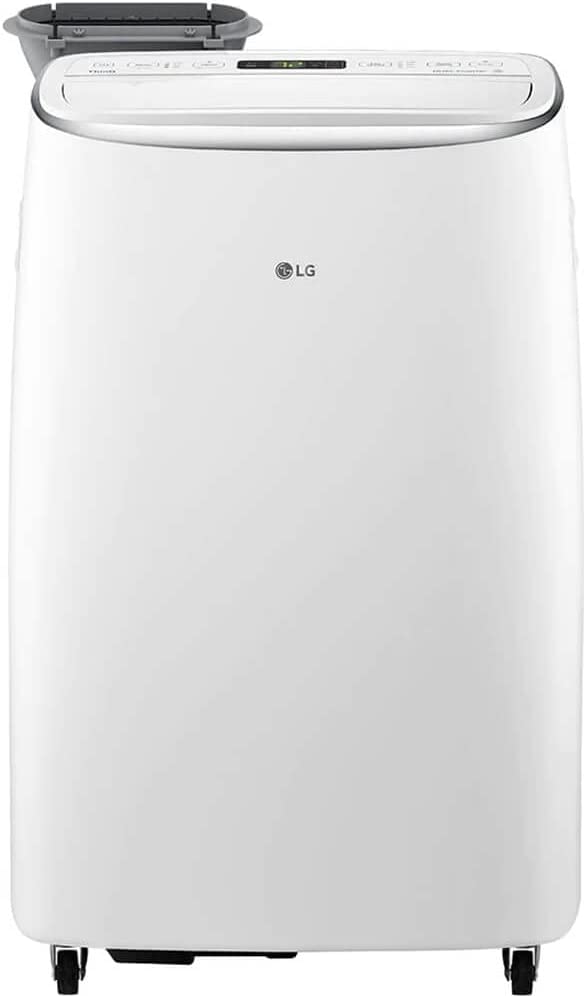
LG vs Hisense: Overview
Comparing LG and Hisense helps you determine which brand is best suited for your needs in Air Conditioners. Both brands offer strong choices depending on your budget and key feature requirements.
Key Features & Comparison
Evaluate factors such as build quality, warranty, customer satisfaction, and total value before making your final purchase choice between LG and Hisense.
Customer Support & Warranty
When examining warranty coverage and post-purchase service, LG holds a significant structural advantage primarily derived from its established global infrastructure and proprietary hardware guarantees. LG’s signature Dual Inverter compressors typically come backed by a robust 10-year warranty, alongside standard one-year limited parts and labor coverage for the entire unit. This prolonged compressor warranty reflects substantial engineering confidence in their brushless DC motor designs. Beyond the paperwork, LG boasts a deeply entrenched network of authorized repair technicians and comprehensive digital diagnostic tools, including their Smart Diagnosis feature within the ThinQ application, which allows customer support to quickly identify operational faults remotely.
Hisense operates as a budget-oriented challenger, generally providing more standard warranty terms, such as a two-year limited warranty on the unit with occasional extended coverage of five to ten years on the compressor depending on the specific model tier. While Hisense has steadily scaled its North American and international customer service operations, consumer experiences tend to be more inconsistent compared to LG. Sourcing replacement components or securing prompt, qualified third-party service technicians through Hisense can involve longer turnaround times, particularly in non-metropolitan areas. For consumers prioritizing friction-free long-term serviceability and widespread certified technician availability, LG presents a more dependable safety net.
Energy Efficiency
LG stands at the forefront of thermodynamic efficiency within the residential cooling sector, largely due to its widespread implementation of Dual Inverter technology. Unlike conventional compressors that switch entirely on and off, LG’s dual-rotary design continuously modulates rotational speed across varied operational frequencies. This continuous modulation drastically diminishes the high energy surges associated with cycling, allowing units to achieve exceptional Seasonal Energy Efficiency Ratio (SEER) ratings that frequently exceed 20 to 24 in their mini-split lineups, alongside top-tier Energy Star certifications across portable and window configurations. The integration of advanced micro-channel heat exchangers and ecological refrigerants like R-32 further minimizes thermodynamic losses.
Hisense has made commendable strides in closing the efficiency gap by introducing their own inverter-driven models and cross-flow fan innovations, delivering very competitive efficiency metrics in the mid-range segment. Many Hisense window and portable units comfortably clear baseline Energy Star thresholds, featuring practical operational modes such as 'Eco' and programmable timers that curb baseline power consumption. However, across comparable BTU ratings, Hisense units generally yield slightly lower SEER and CEER figures than LG's premium Dual Inverter portfolio. While Hisense delivers adequate, code-compliant efficiency that keeps initial acquisition costs low, LG provides superior long-term utility savings through cutting-edge variable-frequency engineering.
Noise Level
Acoustic performance is one of the most stark differentiators between the two manufacturers, with LG prioritizing ultra-quiet operation through refined mechanical design. By employing dual-rotor variable-speed compressors, LG cancels out much of the physical vibration and mechanical rattle intrinsic to single-piston designs. Coupled with skewed fan blades and dedicated BLDC fan motors, LG window and mini-split units routinely achieve sound levels as low as 44 dB(A) in standard cooling mode and under 24 dB(A) in low-profile sleep modes. This soft, continuous acoustic hum replaces the jarring, disruptive mechanical thumps heard when conventional single-stage compressors toggle on and off.
Hisense builds solid, utilitarian units that operate reasonably quietly within their price bracket, with many models incorporating low-noise centrifugal blowers that average between 50 to 56 dB(A) on medium-to-high settings. Hisense does offer dedicated 'Quiet' or 'Sleep' modes that lower air velocity to reduce wind rush noise; however, the lower-tier and budget-conscious compressor architectures frequently used by Hisense produce noticeable low-frequency hums and mechanical cycling clicks. For installations in home offices or bedrooms where uninterrupted acoustic comfort is paramount, LG offers a markedly more hushed, refined environment than Hisense's mechanically audible operation.
Cooling Performance
LG’s approach to thermal management focuses on rapid pulldown capabilities and granular temperature equilibrium. Utilizing high-efficiency Dual Inverter drive systems, LG units can spin up past standard operating speeds during initial startup, delivering rapid cooling performance that quickly saturates a room before dialing back into a low-draw maintenance state. Their multi-directional louvers and advanced digital airflow algorithms ensure that conditioned air is distributed evenly without generating stagnant hot pockets or aggressive cold drafts. Additionally, LG’s onboard precision thermistors monitor indoor relative humidity alongside ambient temperature, refining comfort levels by effectively pulling moisture out of the air during high-load cycles.
Hisense relies on a direct, heavy-hitting thermodynamic output that excels at delivering swift thermal relief at an accessible price. Equipped with powerful blowers, three-speed air sweeps, and effective 4-way directional vanes, Hisense air conditioners efficiently circulate substantial volumes of cold air across designated square footage. However, in non-inverter Hisense models, temperature delivery follows the traditional, fluctuating sawtooth pattern, resulting in slight cyclical temperature swings and less consistent dehumidification performance compared to LG's continuous output. Nonetheless, for raw cooling power and the ability to rapidly battle extreme exterior ambient heat spikes on a modest budget, Hisense performs with rugged, reliable competence.