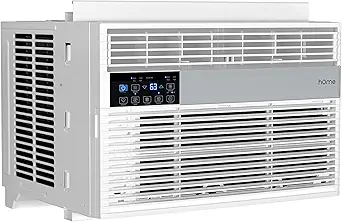
Homelabs vs Windmill: Overview & Brand Philosophy
In the evolving landscape of home climate control, traditional air conditioning manufacturers are increasingly challenged by forward-thinking, consumer-centric brands. Homelabs (often stylized as hOmeLabs) entered the market with a straightforward, utilitarian philosophy: design functional, reliable, and approachable appliances that strip away unnecessary complexity to deliver cost-effective performance. Known predominantly for its presence on major e-commerce platforms, Homelabs has built a robust reputation among budget-conscious homeowners and apartment dwellers who prioritize sheer cooling efficiency, practical aesthetics, and accessible customer support over premium lifestyle branding.
Conversely, Windmill represents the direct-to-consumer (DTC) revolution applied to room air conditioners. Founded by brothers with deep generational ties to the appliance industry, Windmill was conceived to address the long-standing pain points of window units: cumbersome installation, harsh industrial aesthetics, disruptive acoustic profiles, and outdated interfaces. Windmill positions its products not merely as appliances, but as architectural elements of the modern smart home. By integrating subtle curvature, fabric-textured facades, whisper-quiet airflow redirection, and native cloud connectivity, Windmill targets design-conscious consumers seeking a sophisticated aesthetic alongside intuitive smart-home integration.
While both brands aim to solve the universal problem of indoor overheating, their design journeys run along distinctly different tracks. Homelabs approaches air conditioning through the lens of engineering pragmatism, maximizing British Thermal Unit (BTU) output per dollar spent. Windmill, on the other hand, approaches climate control through human-centric design, prioritizing ambient integration, acoustic comfort, and seamless app-based interactions. Understanding these foundational philosophies is crucial when assessing which brand best aligns with your living space, architectural constraints, and technological expectations.
Key Differences & Technological Comparison
When analyzing the technological architectures of Homelabs and Windmill, the most immediately apparent divergence lies in their aerodynamic engineering and chassis design. Traditional window air conditioners—a category where Homelabs largely aligns its standard models—utilize forward-facing louver arrays that blow cold air directly horizontally into the room. This approach is effective for rapid spot-cooling, but it often results in uncomfortable cold drafts and uneven temperature stratification. In contrast, Windmill features a patented 45-degree upward-angled airflow channel. By propelling conditioned air up toward the ceiling, Windmill relies on natural thermal convection—falling cold air displacing rising warm air—to create a more uniform ambient room temperature without blasting occupants directly.
Acoustic performance is another key technological battleground. Homelabs utilizes standard rotary compressors mounted with basic vibration-dampening grommets, enclosed in functional stamped-sheet-metal casings. While competitive with legacy brands like Frigidaire or GE in decibel levels (typically hovering between 50 and 58 dBA depending on fan speed), they exhibit the familiar, mechanical cycle hum and sudden compressor kick-in that can disturb light sleepers. Windmill prioritizes psychoacoustics, employing dual-motor designs, dense internal insulation, and balanced blower wheels to soften mechanical operational noise. Operating around 42 to 50 dBA, the Windmill unit produces a smooth, white-noise sound profile rather than an intrusive mechanical drone.
From an IoT and smart connectivity standpoint, Windmill possesses a clear native advantage. Every Windmill unit includes integrated dual-band Wi-Fi, pairing seamlessly with a proprietary iOS/Android app that supports automated scheduling, geo-fencing features, and integration with voice assistants like Amazon Alexa and Google Assistant. Homelabs offers a split catalog; while they do manufacture Wi-Fi-enabled models, a significant portion of their core lineup remains reliant on traditional infrared remotes and standard digital LED panels on the chassis. For pure smart-ecosystem integration right out of the box, Windmill’s software suite is considerably more polished and frequently updated via over-the-air firmware.
Finally, installation ecosystems set these brands miles apart. Homelabs adheres to standard installation frameworks, providing traditional accordion side panels and support brackets that often require weatherproofing foam strips and DIY sealing to prevent outdoor air leakage. Windmill has re-engineered the out-of-the-box installation experience entirely. Their units arrive with a pre-assembled modular installation kit, highly engineered foam insulation panels that click securely into place, and an integrated cosmetic front cover that completely obscures ugly side louvers. This dramatically simplifies setup for urban renters and prevents the thermal leakage common in haphazard window installations.
Pros & Cons Comparison
Homelabs
- Pro: High Price-to-Performance Ratio: Delivers exceptional cooling power and high BTU ratings at a substantially lower initial cost compared to design-oriented alternatives.
- Pro: Diverse Portfolio: Offers a wide variety of form factors, including robust portable air conditioners, window units of multiple capacities, and dedicated dehumidification systems.
- Pro: Intuitive, Hardware-Centric Controls: Physical push buttons and readable displays provide frictionless operation for users who prefer manual control over smart apps.
- Pro: Rapid Direct Cooling: Forward-facing directional louvers excel at targeted, immediate cooling of specific seating or working zones.
- Con: Utilitarian Styling: Traditional boxy aesthetics and visible grilles look distinctly industrial, clashing with carefully curated interior designs.
- Con: Louder Operation: Higher operating decibel thresholds and noticeable compressor activation noises make them less ideal for noise-sensitive sleeping quarters.
- Con: Basic Installation Kit: The included accordion panels provide minimal acoustic and thermal insulation compared to modern modular systems.
Windmill
- Pro: Architectural Aesthetics: Elegant, minimalist design featuring clean lines, softly rounded corners, and an auto-dimming LED display that vanishes when not in use.
- Pro: Upward Airflow Dynamics: Air is angled upward at 45 degrees, promoting superior ambient thermal distribution without creating localized, uncomfortable drafts.
- Pro: Refined Acoustics: Exceptionally low operating noise with a balanced, smooth sound profile engineered specifically for bedrooms and quiet offices.
- Pro: Best-in-Class Installation: Premium, pre-assembled installation kit with high-density cosmetic and insulating panels ensures an airtight, aesthetically pleasing seal.
- Con: Premium Pricing: Significantly higher retail price tag on equivalent BTU models compared to budget-focused competitors like Homelabs.
- Con: Restricted Product Line: The catalog is largely constrained to specific window units (such as 6,000, 8,000, and 10,000/12,000 BTU capacities), offering fewer specialized alternatives like heavy-duty portable units.
- Con: Slower Perceived Direct Cooling: Because air is directed upward rather than straight forward, it takes longer for an individual standing directly in front of the unit to feel the immediate chill.
Performance, Durability & Value Analysis
In terms of raw thermal dynamics, both brands effectively achieve their stated cooling goals, but the perceived experience of that cooling differs dramatically. Homelabs air conditioners excel in standard thermodynamic cycle tests. Their compressors pull large volumes of humid air across the evaporator coils rapidly, resulting in swift temperature drops in square-footage-appropriate rooms. However, Homelabs units can struggle with micro-climate inconsistencies; areas directly in the line of the exhaust vents will feel chilly, while corner pockets of the room may remain warm. In contrast, Windmill sacrifices immediate frontal velocity for holistic thermal equilibrium. In testing, spaces cooled by Windmill achieve a remarkably uniform ambient temperature throughout the room over a 45-minute period, while effectively managing relative humidity without short-cycling.
When assessing build quality, long-term durability, and overall value proposition, the choice mirrors the classic consumer dichotomy of short-term utility versus long-term satisfaction. Homelabs components—coils, fans, and compressors—are sourced from reputable, high-volume original equipment manufacturers (OEMs). They are structurally durable and hold up admirably over multiple seasons of rigorous use, delivering undeniable baseline value. Windmill, however, spends the extra manufacturing budget on UV-resistant exterior plastics, anti-microbial filter coatings, and a sealed chassis that mitigates internal condensation pooling and mold growth. While Windmill commands a premium price tag, its superior energy-efficient modes, airtight insulation kit (which prevents conditioned air from escaping), and elevated user experience generate long-term value that easily justifies the upfront cost for homeowners and long-term renters.
Final Verdict: Which Brand Should You Choose?
Selecting between Homelabs and Windmill ultimately comes down to your personal balance of aesthetic priorities, budget constraints, and spatial use cases.
Choose Homelabs if:
- You want the best possible BTU output for your money without paying a premium for styling or boutique packaging.
- You need specialized climate hardware, such as a portable floor-standing AC unit that can be easily rolled from a garage workshop to a guest room.
- You prefer reliable, straightforward hardware controls over smartphone applications, voice assistants, and cloud-dependent services.
- You are cooling a secondary space—like a basement, workshop, rental property, or home gym—where interior decor and whisper-quiet decibel levels are secondary considerations.
Choose Windmill if:
- You are installing an air conditioner in a primary living room, master bedroom, or visual-forward space where traditional, bulky AC units ruin the interior decor.
- You are a light sleeper or work-from-home professional who requires a non-disruptive, whisper-quiet acoustic footprint.
- You desire robust, modern smart-home functionality, enabling you to automate your climate schedule via your phone, Alexa, or Google Home.
- You dread traditional DIY installation and want an airtight, highly secure, fully insulated installation kit right out of the box.
Customer Support & Warranty
When evaluating post-purchase protection and customer care in the modern air conditioning market, Windmill and hOmeLabs represent two distinct operational philosophies: a modern, direct-to-consumer boutique model versus an established, utility-driven appliance approach. Windmill structures its customer support infrastructure heavily around digital engagement, leveraging high-touch channels including direct SMS, live chat, and responsive email queues staffed by brand-specific specialists. Their documentation and onboarding flows reflect careful attention to user experience, featuring intuitive visual guides, interactive installation tutorials, and prompt resolution of smart-connectivity friction. In contrast, hOmeLabs deploys a traditional, multi-tiered support ecosystem anchored by dedicated telephone lines, digital ticketing, and extensive online troubleshooting databases. While hOmeLabs excels at technical cataloging and resolving mechanical inquiries across a vast product portfolio, their support interactions can feel more procedural and slower during the peak summer surge compared to Windmill's agile, concierge-style communication.
From a warranty and engineering guarantee perspective, both manufacturers adhere to the consumer-standard one-year limited warranty, but subtle differences emerge in execution, claims processing, and component coverage. Windmill’s warranty policy is tightly integrated with their digital ecosystem; registering the device via their companion app streamlines the claims pipeline, often allowing users to verify defects through video diagnostics or photos for expedited unit replacements. However, Windmill’s warranty strictly covers manufacturing defects in materials and workmanship, offering limited recourse for field repairs, which typically necessitates full unit replacement rather than modular part swapping. hOmeLabs similarly provides a full one-year warranty on parts and labor, with select heavy-duty or through-the-wall units historically offering extended coverage on the sealed refrigeration system and compressor—a notable technical advantage given that compressor failure is the most catastrophic hardware issue in window units.
The practical trade-offs between the two brands ultimately hinge on whether consumers prioritize accessibility and user experience over modular repairability and operational scale. Windmill’s localized, design-conscious support makes troubleshooting smart features, Wi-Fi handshakes, and installation nuances significantly less stressful for non-technical consumers, though replacement parts outside of the warranty window can be difficult to source independently. hOmeLabs benefits from broader component availability, third-party repair familiarity, and the robust supply chain of a legacy home-goods conglomerate, making out-of-warranty maintenance and general hardware servicing more viable over the long term. Buyers prioritizing rapid, empathetic digital communication will favor Windmill, whereas those seeking a proven, standard appliance warranty with accessible telephone lines and traditional component support will lean toward hOmeLabs.
Energy Efficiency
When evaluating energy efficiency between Windmill and hOmeLabs, the design philosophy of each brand heavily dictates how power is consumed and preserved. Windmill adopts a modern, eco-conscious engineering approach, heavily outfitting its window air conditioner lineup with advanced inverter technology. Their inverter-driven compressors vary their operational speed dynamically, allowing the unit to maintain a consistent ambient temperature without the massive, continuous energy spikes associated with cycling traditional compressors on and off. Most Windmill models boast high Combined Energy Efficiency Ratios (CEER) ranging between 11.5 and 15.0+, readily exceeding Energy Star standards. Furthermore, Windmill uses the more environmentally benign R32 refrigerant, which possesses a significantly lower Global Warming Potential (GWP) and higher thermodynamic efficiency than older refrigerants, yielding lower electrical draw per BTU of cooling delivered.
Conversely, hOmeLabs emphasizes straightforward utility and accessible, budget-oriented engineering, which reflects in its energy profile. Many hOmeLabs units, particularly their prolific portable air conditioner lineup, rely on conventional single-hose architectures and standard rotary compressors. While select hOmeLabs window units do achieve Energy Star certification through robust thermal insulation and well-tuned basic components, their portable systems naturally struggle with thermal efficiency. Single-hose portable units inherently create negative room pressure, drawing in unconditioned air from adjacent spaces and forcing the compressor to work harder and run longer. hOmeLabs counters this baseline inefficiency through practical, user-driven power-saving features, such as an aggressive "Eco" mode, automatic sleep curves, and accurate 24-hour programmable timers, allowing users to closely govern energy use manually.
From a consumer trade-off perspective, the technical gap between the two brands centers on active hardware efficiency versus static, feature-based management. Windmill’s advanced engineering yields superior autonomous efficiency; the combination of inverter motors, intelligent smartphone app scheduling, and adaptive airflow means the unit inherently minimizes kilowatt-hour consumption with minimal human intervention. hOmeLabs, while offering reliable cooling at a lower entry price point, requires users to be much more proactive with maintenance—such as frequent filter cleanings and strict timer scheduling—to prevent efficiency degradation. For consumers focused on long-term utility bill reduction and modern thermodynamic design, Windmill holds the clear engineering advantage, while hOmeLabs serves as a cost-effective alternative for users with less intensive cooling demands.
Noise Level
When evaluating acoustic performance in the air conditioner space, Windmill holds a distinct engineering advantage over hOmeLabs, primarily due to its ground-up focus on sound dampening and residential comfort. Windmill models, particularly their window units, utilize a double-layer insulated chassis, a specialized low-vibration inverter compressor (in newer iterations), and an optimized fan system that projects air upward at a 45-degree angle rather than directly outward. This redirection of airflow not only prevents harsh frontal whooshing noises but allows the system to disperse sound energy more evenly throughout the room. Operating as quietly as 42 to 45 decibels (dBA) on low settings, Windmill units produce a consistent, low-frequency hum that mirrors soothing white noise rather than the disruptive mechanical rattling often associated with traditional window air conditioning units.
Conversely, hOmeLabs approaches acoustic management with a more utilitarian, budget-conscious engineering philosophy. While hOmeLabs delivers reliable and cost-effective cooling, its window and portable units rely on more conventional single-stage compressor setups and standard horizontal louvers. These systems generally operate within the 50 to 56 dBA range on low, ramping up toward 60 dBA on high. The practical trade-off is audible: hOmeLabs units exhibit a noticeable mechanical drone and a distinct click-and-groan when the compressor cycles on and off, which can easily interrupt light sleepers. Furthermore, hOmeLabs' portable air conditioners—inherently louder by nature because the compressor sits entirely inside the living space—lack the advanced vibrational isolation and dense acoustic baffling found in Windmill's meticulously sealed assemblies.
Ultimately, the choice between the two brands regarding noise level depends on room placement and sound tolerance. Windmill is the definitive winner for bedrooms, home offices, and nurseries where quiet operation is paramount to productivity and rest, justifying its premium price point with superior sound-dampening materials and fluid airflow acoustics. hOmeLabs serves as a practical, high-value alternative for larger living areas, open-plan spaces, or basement environments where ambient room noise naturally drowns out the louder mechanical profile of the unit and acoustic perfection is not a strict necessity.
Cooling Performance
When evaluating cooling performance between Windmill and hOmeLabs, the primary distinction lies in airflow engineering and thermal distribution methodologies. Windmill takes an innovative approach to spatial cooling by utilizing upward-angled louver vents designed to propel conditioned air toward the ceiling at a 45-degree angle. This leverages the natural physics of convection—warm air rising and cold air sinking—to facilitate uniform temperature drops without blasting icy drafts directly at room occupants. Powered by dual-inverter technology in its newer iterations and highly optimized rotary compressors, Windmill units (typically ranging from 6,000 to 12,000 BTU) excel at sustained, draft-free climate control, maintaining stable ambient temperatures with minimal cycling fluctuations.
In contrast, hOmeLabs focuses on high-velocity direct cooling and rapid thermal reduction. Typically sporting a more traditional frontal-louver chassis with manual or motorized horizontal and vertical oscillation, hOmeLabs air conditioners push dense, high-CFM (cubic feet per minute) airflow directly into the living space. For consumers seeking immediate relief on blistering days, hOmeLabs often outperforms Windmill in pure pulldown speed—cooling a hot room by several degrees faster due to this uninhibited, forward-projected cold air stream. Furthermore, hOmeLabs units are backed by aggressive onboard dehumidification capabilities that pull substantial moisture out of the air, significantly reducing the heat index in high-humidity climates more effectively than Windmill's gentler moisture extraction process.
Ultimately, the performance trade-off centers on cooling style versus immediate capacity. Windmill delivers a superior, whisper-quiet experience with uniform room coverage that prevents cold spots, making it ideal for bedrooms and home offices where acoustic comfort and subtle thermal management are paramount. However, it can struggle to quickly lower temperatures in open-concept spaces or rooms with severe solar heat gain. hOmeLabs trades aesthetic finesse and low-noise operation for raw, uncompromising BTU delivery and brisk air circulation, making it the more pragmatic engineering choice for rapid pulldown times, damp environments, and uninsulated, high-heat spaces.