Shark vs Dyson: Overview & Brand Philosophy
In the modern floorcare industry, few rivalries are as fiercely contested as that between Shark and Dyson. Dyson, founded by British inventor Sir James Dyson in 1991, revolutionized the category by introducing patented Dual Cyclone technology, eliminating the need for disposable vacuum bags. Dyson positions itself as a premium engineering and design house, investing heavily in fluid dynamics, acoustic engineering, and proprietary digital motors. The brand philosophy centers on uncompromising performance, high-end aesthetics, and pushing the boundaries of cordless convenience, often demanding a luxury price tag.
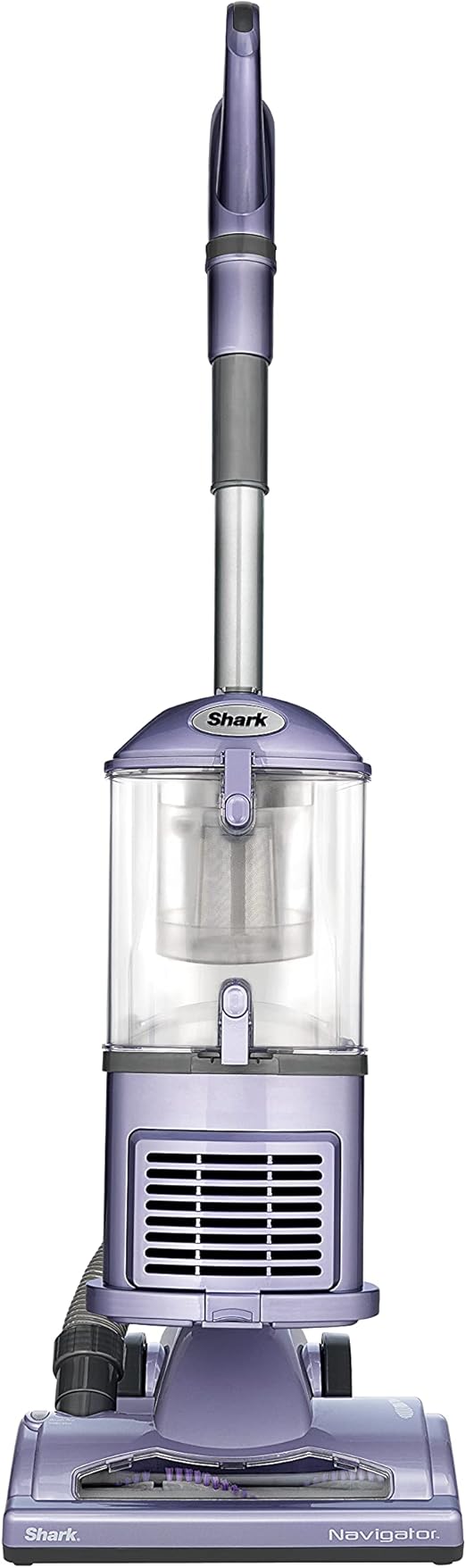
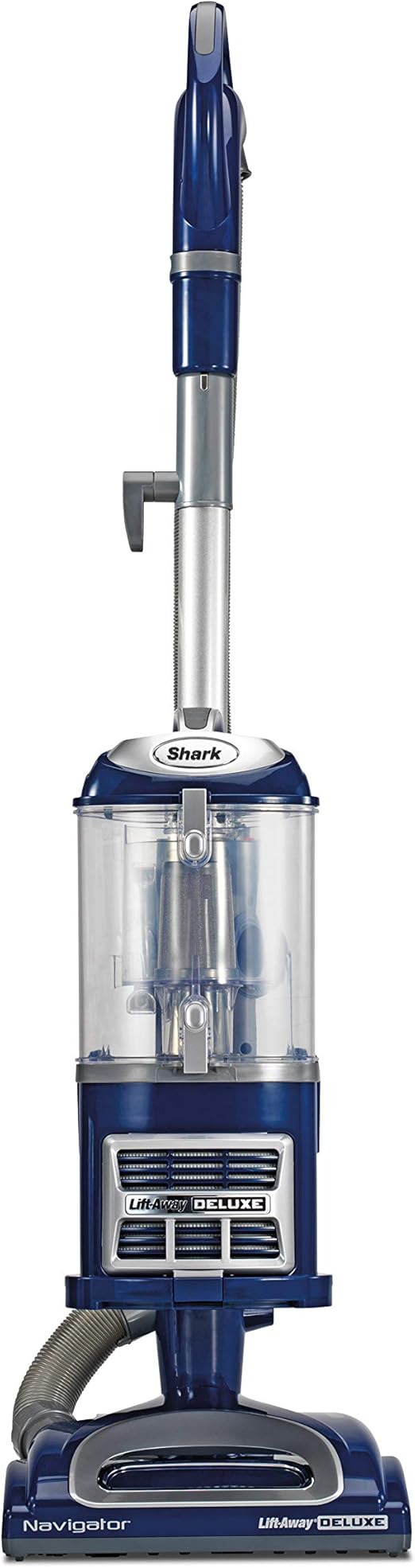
Shark, the flagship floorcare brand of SharkNinja Operating LLC, approaches the market from a pragmatic, consumer-centric angle. Rather than trying to out-engineer Dyson at the luxury tier, Shark focuses on iterative, real-world utility at accessible price points. Shark's brand ethos prioritizes functional versatility, developing patents like DuoClean dual brush-rolls, Lift-Away canisters, and folding wands that solve common household pain points. By closely monitoring consumer complaints regarding competing products, Shark delivers feature-dense vacuums that aim to match premium cleaning performance without the premium cost.
Today, these two market leaders command the vast majority of cordless and upright vacuum sales worldwide. While Dyson maintains its reputation as the aspirational, tech-forward trailblazer, Shark has earned a massive, loyal following by proving that high-grade filtration, strong suction, and user-friendly innovations do not need to cost nearly a thousand dollars.
Key Differences & Technological Comparison
The philosophical divide between Shark and Dyson is reflected directly in their mechanical design, motor technology, and floorhead engineering:
- Motor Technology and Airflow: Dyson designs and manufactures proprietary Hyperdymium digital motors that spin at up to 125,000 RPM. This creates exceptional sustained air wattage (AW) and industry-leading centrifugal cyclone separation, ensuring fine dust is pulled from the airflow before it reaches the filter. Shark uses reliable, standard high-draw brushless motors that deliver powerful raw suction at the nozzle, but they rely more heavily on traditional multi-stage filter systems rather than complex cyclonic arrays.
- Floorhead Innovation: Dyson pioneered the use of specialized, interchangeable cleaner heads—namely the high-torque Motorbar for carpets and the Fluffy roller with an angled green laser (or LED) to illuminate microscopic dust on hard floors. Shark solved the floor-transition issue differently with its patented DuoClean system, which places a soft velvet roller and a stiff bristle brush inside a single floorhead, allowing users to move seamlessly between carpets and hardwood without switching attachments.
- Ergonomics & Versatility: Dyson adheres to an ultra-lightweight, stick-centric layout where the motor and dustbin are housed directly in the handle, making them agile for high-reach cleaning. Shark offers features like MultiFLEX (a wand that bends 90 degrees to clean under furniture and folds over for freestanding storage) and Powered Lift-Away on its uprights, which detaches the canister from the floorhead while keeping the brush-roll powered.
- Filtration & Allergen Containment: Both brands offer HEPA-grade filtration, but implementation varies. Dyson’s advanced models feature whole-machine HEPA filtration certified to capture 99.97% of particles down to 0.1 microns in an airtight casing. Shark counters with its Anti-Allergen Complete Seal Technology, which guarantees no dirty air escapes past the pre- and post-motor HEPA filters before exhaust.
- Dustbin Hygiene: Dyson utilizes a mechanical "point-and-shoot" ejector collar that scrapes the internal shroud clean with a single stroke, limiting contact with allergens. Shark uses a standard drop-bottom hatch on most models, which is simple and robust, though it occasionally requires manual clearing of stubborn hair wraps inside the canister.
Pros & Cons Comparison
Dyson Vacuum Cleaners
- Pro: Best-in-class power-to-weight ratio with state-of-the-art digital motors.
- Pro: Superior particle separation through advanced radial cyclones, keeping filters cleaner longer.
- Pro: Illumination floorheads reveal fine dust invisible to the naked eye.
- Pro: Premium fit-and-finish using aerospace-grade ABS plastics.
- Con: Significantly higher retail prices, often double or triple the cost of comparable Sharks.
- Con: Cannot stand upright on their own; require wall-mounting docks or stands.
Shark Vacuum Cleaners
- Pro: Outstanding price-to-performance ratio across all segments.
- Pro: DuoClean dual-roller technology cleans hard floors and carpets without swapping heads.
- Pro: Clever folding wands allow easy under-furniture access and compact freestanding storage.
- Pro: Generous warranty coverage (often 5 years on registered corded/upright models).
- Con: Noticeably heavier in hand, particularly when utilizing lift-away mechanisms.
- Con: Component repairability is lower; modular assemblies often must be replaced whole.
Performance, Durability & Value Analysis
When measuring cleaning efficacy on standard medium-pile carpet and smooth flooring, raw performance between high-end Shark and Dyson units is remarkably close. In standardized debris pick-up tests involving pet hair, sand, and cereal, Shark’s DuoClean rollers often match or even surpass Dyson on large debris due to the direct-contact front roller. However, Dyson holds a clear advantage in deep-cleaning embedded fine particulate from dense rugs, driven by its superior sustained sealed airflow and advanced motorized brush bar torque sensors that automatically adjust power depending on floor resistance.
From a durability and long-term value perspective, the calculation hinges on initial investment versus lifecycle maintenance. Dyson units are built from high-tolerance, lightweight materials and feature replaceable batteries and readily available spare parts, giving them an edge in physical longevity if properly maintained. Conversely, Shark vacuums are heavier and employ less modular internal engineering, but they cost substantially less up front. For most households, Shark delivers 85% to 90% of Dyson's cleaning performance at 40% to 50% of the cost, making Shark the undisputed champion of pure consumer value, while Dyson represents an investment in top-tier engineering, lower weight, and premium longevity.
Final Verdict: Which Brand Should You Choose?
Your choice between Shark and Dyson ultimately depends on your budget, physical ergonomics, and your tolerance for swapping accessories:
Choose Dyson if: You prioritize lightweight maneuverability, cutting-edge engineering, and unmatched fine-particle filtration. Dyson is the superior choice for multi-story homes where lugging a heavy vacuum up stairs is a concern, for allergy sufferers who demand certified whole-machine HEPA sealing, and for consumers who view home appliances as long-term design investments and are willing to pay a premium for the best user experience.
Choose Shark if: You want maximum cleaning power per dollar spent and value functional everyday convenience. Shark is the ideal choice for busy family homes, pet owners on a budget, and those who prefer an all-in-one floorhead that seamlessly transitions between tile, hardwood, and plush rugs without stopping to change attachments. If you want a workhorse vacuum that gets the job done without stretching your budget, Shark is the smartest purchase.
Features
When evaluating the feature ecosystems of Shark and Dyson, the comparison centers on fundamentally different engineering philosophies: Dyson prioritizes cutting-edge sensory technology and fluid dynamics, while Shark emphasizes functional versatility and ergonomic problem-solving. Dyson leads the industry in sensor-driven intelligence, integrating piezo acoustic sensors that count and measure microscopic dust particles in real time, dynamically scaling motor wattage based on debris volume. This is paired with high-clarity LCD screens that provide diagnostic reporting, countdown battery timers, and particle size breakdowns. Furthermore, Dyson's illumination technology, which uses green lasers or angled LEDs to cast shadows across hard floors, reveals invisible debris with surgical precision. In contrast, Shark’s technical strengths focus on mechanical multi-functionality, best exemplified by their Lift-Away canisters that detach from the upright base for portable above-floor cleaning, and their MultiFLEX folding wands that bend 180 degrees to reach beneath furniture without requiring the user to bend over.
The divergence in cleaning head engineering highlights distinct practical trade-offs for everyday consumers. Shark’s signature DuoClean floorhead pairs a soft microfiber front roller with a rear stiff-bristled brush roll, allowing seamless transitions from hardwood to deep carpet while capturing large particulate and micro-dust simultaneously without switching heads. Shark also heavily incorporates active anti-hair wrap technology with self-cleaning brush rolls that aggressively combat pet and human hair tangle. Dyson counters this with its Digital Motorbar, which uses polycarbonate de-tangling vanes and an internal motor that measures brush resistance to automatically adjust suction across different pile depths. However, Dyson users frequently have to switch between dedicated heads—such as the specialized Fluffy roller for hard floors and the Motorbar for carpets—to achieve optimal performance, adding a layer of manual friction that Shark's all-in-one head design deliberately avoids.
Ultimately, the trade-offs come down to futuristic optimization versus utilitarian convenience. Dyson’s reliance on whole-machine HEPA filtration, advanced root cyclone technology that prevents filter clogging, and hair screw tools powered by Archimedes-screw principles deliver unmatched suction-to-weight ratios and allergen containment. However, these innovations often feature user-experience quirks, such as the historic reliance on trigger switches (though modern models are migrating to push-buttons) and point-and-shoot bin emptying mechanisms that can occasionally eject dust clouds. Shark provides an intensely practical suite of consumer-friendly conveniences, including built-in LED headlights on the floorhead, odor-neutralizing scent cartridges, and free-standing storage profiles. While Dyson wins on raw technical sophistication and automated power modulation, Shark offers a more immediately utilitarian, multi-surface feature set designed to eliminate daily cleaning friction without requiring a masterclass in modular attachments.
Performance
When evaluating raw cleaning performance, Dyson and Shark represent two distinct philosophies in vacuum engineering. Dyson leans heavily into aerodynamic optimization, digital motor technology, and advanced cyclonic separation. Powered by proprietary Hyperdymium motors that spin at up to 125,000 RPM, Dyson vacuums—particularly the V15 and Gen5 series—deliver industry-leading, fade-free suction across all debris types. Their complex, multi-tiered radial cyclone arrays efficiently separate microscopic particles and fine dust from the airflow before it reaches the filter, ensuring the vacuum maintains peak air watts throughout an entire cleaning session. Shark, conversely, prioritizes mechanical agitation and airflow density over pure motor RPMs. Rather than relying solely on raw air wattage to lift dirt, Shark’s DuoClean technology utilizes a dual-brushroll system combining a stiff bristle brush for deep carpet agitation and a soft front roller to physically pull in large debris and polish hard floors simultaneously, frequently yielding better single-pass pick-up metrics on everyday messes.
In real-world application, the performance trade-offs between the two brands become apparent based on surface type and maintenance requirements. Dyson excels in deep-cleaning carpets and fine dust extraction, with piezo sensors and dynamic torque drives that automatically adjust suction power when higher debris concentrations or thicker pile depths are detected. Furthermore, Dyson’s whole-machine HEPA filtration traps 99.99% of particles down to 0.1 microns, making it the superior performer for allergen control. Shark counters with outstanding versatility and specialized hair management. Their self-cleaning, anti-hair-wrap brushrolls actively detangle human and pet hair using engineered fins and combs, outperforming Dyson’s standard roller bars on heavy pet shedding tasks without requiring manual clearing. Shark’s Lift-Away pod systems also bridge the performance gap between uprights and cordless sticks, maintaining steady, high-CFM (cubic feet per minute) sealed suction even when detached for above-floor cleaning.
Ultimately, the choice in performance comes down to high-tech consistency versus mechanical directness. Dyson represents the pinnacle of sustained suction performance, battery efficiency, and engineering precision, maintaining uncompromised velocity without clogging even as the dustbin fills. Shark trades some of this high-end filtration longevity and motor finesse for sheer practical effectiveness, relying on aggressive motorized brush heads that often capture tricky surface debris faster than Dyson, albeit with a greater reliance on routine filter washings to prevent performance drop-offs over time. For maximum air wattage, whole-room fine dust capture, and raw technical power, Dyson holds the edge; for aggressive everyday floor agitation, hair elimination, and large-debris pickup, Shark offers remarkably competitive, often superior out-of-the-box utility.
Design
When evaluating the design philosophy of Shark and Dyson vacuum cleaners, consumers are met with a fundamental contrast between utilitarian versatility and cutting-edge, minimalist industrial engineering. Dyson has built its reputation on sleek, futuristic designs dominated by premium, lightweight materials and iconic aesthetics. Their handheld and cordless stick configurations are meticulously engineered for optimal center-of-gravity balance, placing the motor, bin, and battery near the grip to facilitate effortless high-reach and overhead cleaning. In contrast, Shark prioritizes ergonomic practicality and modularity over high-concept aesthetics. While Shark vacs are generally heavier and feature more robust, industrial-feeling plastics, they incorporate ingenious mechanical features such as "Lift-Away" detachable canisters and "MultiFLEX" folding wands that bend to slide effortlessly under low-profile furniture and fold in half for compact, freestanding storage—a major practical advantage over Dyson models that require dedicated wall mounts or aftermarket docks to stand upright.
From a technical interface and feature-set perspective, both brands introduce sophisticated technologies tailored to different user pain points. Dyson integrates advanced telemetry into its design language, utilizing vibrant LCD screens to provide real-time run-time countdowns, maintenance guides, and particle-count telemetry via internal piezo acoustic sensors. Additionally, Dyson pioneered integrated optical illumination, using precisely angled green lasers and LEDs to reveal invisible dust on hard floors, complemented by rigid, laser-balanced brush rolls engineered with anti-tangle conical vanes. Shark counters this with intuitive, physical usability perks, most notably their signature DuoClean technology, which ingeniously pairs a soft velvet roller and a stiff bristled brush into a single, low-profile floorhead capable of capturing large debris and fine dust simultaneously without swapping accessories. Shark also integrates anti-hair wrap combs directly into the cleaning head, paired with bright, broad-spectrum frontal LED headlights that brilliantly illuminate dark corners, providing immediate utility that requires minimal user calibration.
The primary design trade-offs between the two brands largely center on weight, bin dynamics, and long-term durability. Dyson's dedication to ultra-lightweight components makes their machines exceptionally nimble, yet this sometimes results in smaller dustbin capacities and complex "point-and-shoot" ejector collars that can become sticky or brittle over repeated use. Furthermore, many classic Dyson models notoriously retain a trigger-operated power switch that can cause hand fatigue, whereas Shark consistently employs push-button toggles and continuous-run switches. However, Shark's multi-jointed hinges, latch mechanisms, and dual-roller assemblies mean there are more moving parts prone to mechanical wear and potential failure points over prolonged lifecycles. Ultimately, Dyson excels in aerodynamic, lightweight engineering that maximizes ergonomic efficiency during active movement, whereas Shark delivers a more accessible, mechanically versatile design that solves everyday household frustrations through clever physical adaptability.