













In the world of home cleaning, Kenmore and Eureka are two names that have stood the test of time — but for totally different reasons. Kenmore is all about power, endurance, and all-around household coverage. Eureka, on the other hand, leans into agile, affordable solutions with a wide range of vacuums for every type of user. If you’re choosing between these two, this deep-dive comparison will show where each brand shines — and who it’s really built for.
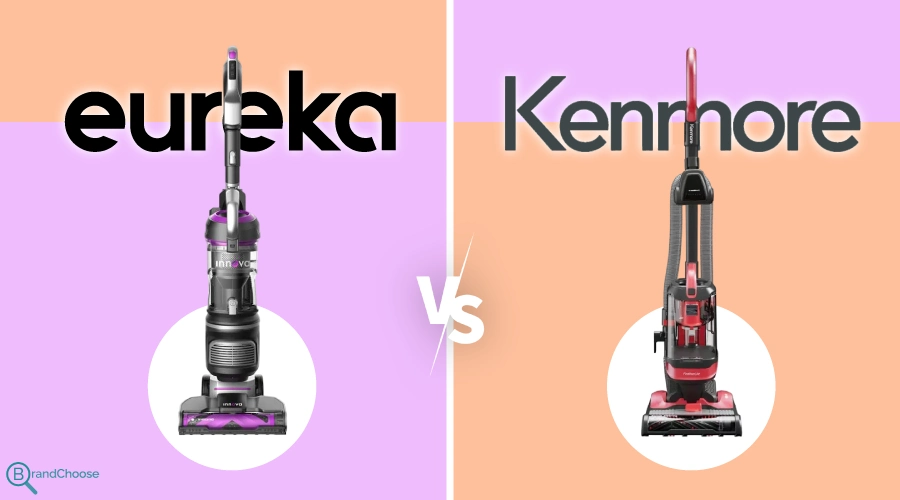
Features
In terms of functional feature sets, Kenmore distinguishes itself through specialized motorized attachments and advanced filtration architecture. Kenmore canisters and uprights frequently incorporate their proprietary Pet PowerMate motorized brush tools, variable suction control switches integrated directly into the ergonomic handles, and telescoping aluminum wands that extend cleaning reach. A standout technical feature across Kenmore's premium lineup is the certified HEPA filtration system paired with completely sealed motor housings, guaranteeing that 99.97% of fine particulates, dander, and dust mites remain trapped inside sealed multi-layer bags without escaping back into the ambient air during exhaust or disposal.
Eureka counters with user-centric utility features designed for rapid, hassle-free operation on a daily basis. The brand heavily integrates bagless easy-empty dust cups with washable sponge filters, multi-stage cyclonic separation, and automatic cord-rewind mechanisms across affordable form factors. Many modern Eureka models, such as the FloorRover and RapidClean series, feature vibrant LED headlights mounted on the low-profile floor nozzle, multi-tier height adjustments, and dynamic swivel steering that significantly improves maneuverability around furniture legs. While Eureka's feature suite is engineered for practical convenience and zero-cost consumable maintenance, it lacks the specialized deep-pile powerheads and the pristine, zero-dust disposal mechanics characteristic of Kenmore's bagged ecosystems.
Performance
Performance testing reveals a stark technical contrast in raw suction capability, airflow retention, and agitation dynamics between the two brands. Kenmore models, particularly their dual-motor canister systems, generate exceptional CFM (cubic feet per minute) and water lift measurements. By utilizing independent motors—one dedicated exclusively to high-vacuum suction and the other driving the brush roll in the floor nozzle—Kenmore vacuums excel at deep-cleaning embedded debris, heavy sand, and clinging pet hair from dense, plush carpeting. Furthermore, because Kenmore relies heavily on structured multi-layer filter bags, the machine sustains peak airflow even as the chamber fills, avoiding the premature suction drop-off common in budget cyclonic systems.
Eureka delivers respectable performance that is heavily optimized for hard floors, low-pile rugs, and surface-level debris pickup. Using optimized brush roll bristle patterns and targeted cyclonic suction pathways, Eureka uprights and stick vacuums efficiently capture pet hair, cereal, and fine surface dust without excessive snowplowing. However, Eureka units generally struggle when faced with high-pile, plush carpeting, as their single-motor setups often lack the raw torque required to maintain brush roll velocity under heavy resistance. Additionally, without meticulous cleaning of Eureka’s internal cyclone assemblies and washable foam filters, static airflow diminishes significantly faster over time compared to Kenmore's commercial-grade motor assemblies.
Design
From an industrial design standpoint, Kenmore adheres to a utilitarian, function-first aesthetic that emphasizes mechanical resilience over sleek minimalism. Kenmore canister vacuums feature wide wheelbases with non-marring rubber casters that glide predictably behind the operator, while their uprights utilize heavy-gauge plastics and reinforced foot pedals. While this results in exceptional stability and long-term chassis durability, it also incurs an ergonomic penalty: Kenmore machines are notoriously heavy, often weighing between 18 and 22 pounds, which can make carrying them up multiple flights of stairs a strenuous task. The inclusion of internal hose channels and onboard tool storage adds to their bulky footprint, requiring dedicated closet space.
Eureka approaches design with modern ergonomics, modularity, and lightweight transit at the forefront. Utilizing lightweight polymer compounds, compact footprints, and slender silhouettes, Eureka uprights and stick vacuums typically weigh under 14 pounds, with some stick variants dipping below 6 pounds. Their low-profile cleaning heads articulate smoothly to slide under low-clearance furniture, beds, and toe kicks where bulkier Kenmore powerheads cannot reach. While Eureka’s contemporary design makes it far superior for rapid transit, quick cleanups, and effortless storage, the trade-off is evident in material longevity: thinner plastics, friction-fit wand connections, and less robust latches mean Eureka components are more vulnerable to accidental drops and stress-related wear over years of heavy operation.
Conclusion
At the end of the day, this isn’t about which brand is “better” — it’s about which one fits you. Kenmore is the dependable workhorse built for big jobs and long hauls. Eureka is the quick, nimble sidekick perfect for lighter loads and faster routines. Whether you’re outfitting a large family home or just need a fast fix for everyday messes, one of these two has you covered.
Compare current retail pricing, active promotions, and verified stock availability directly from authorized stores:








