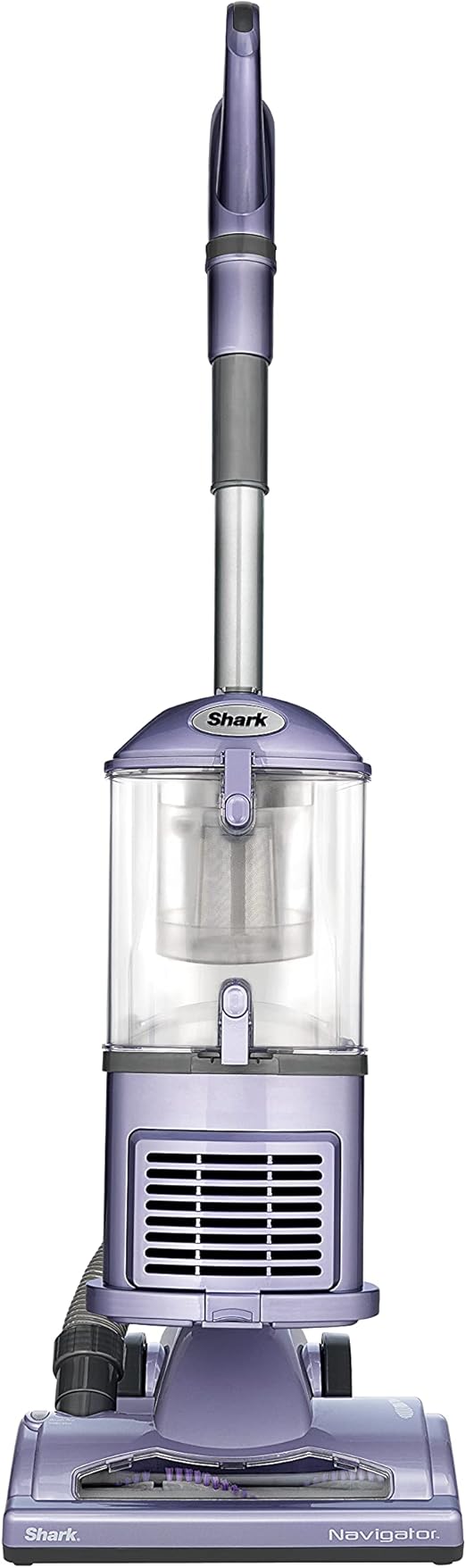
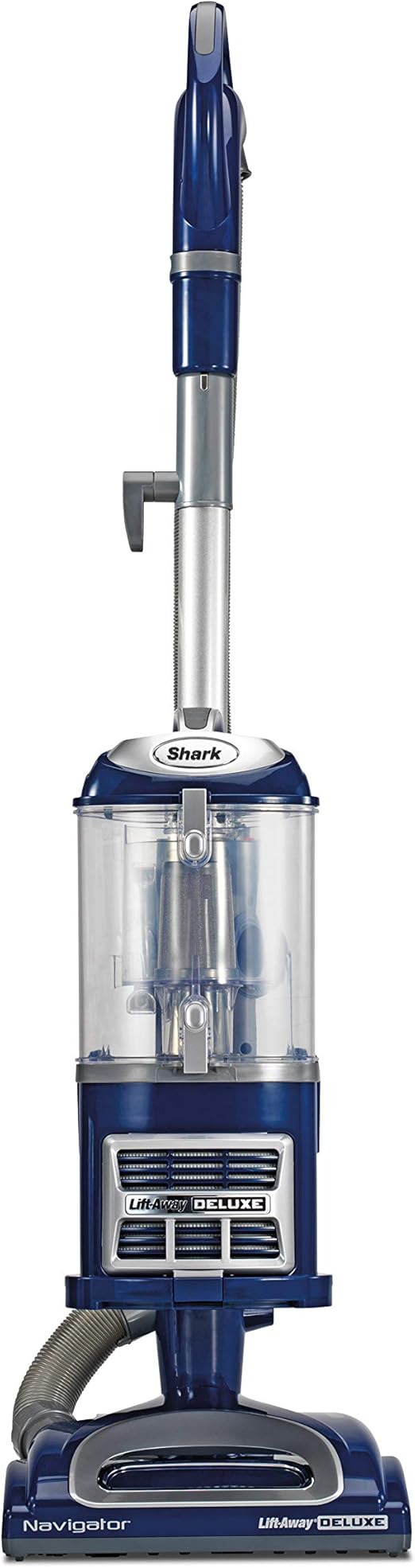
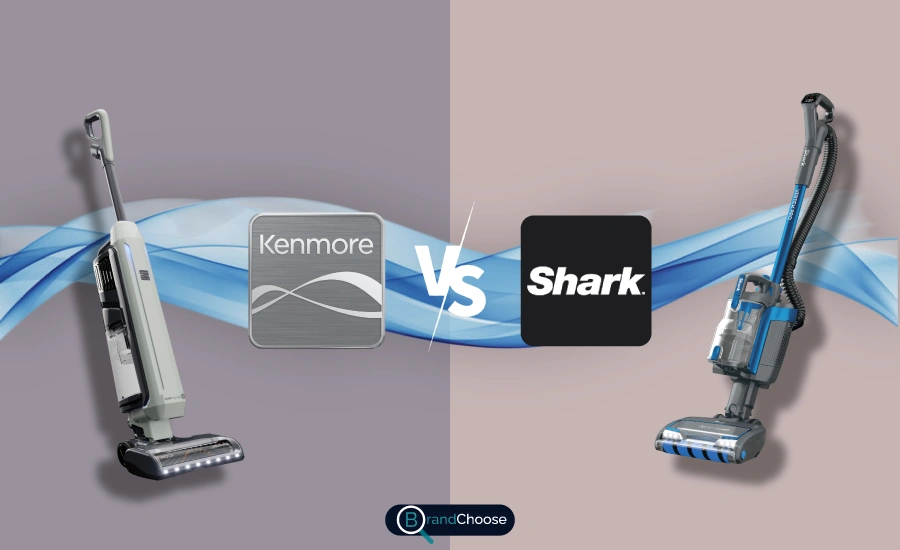
If the field is home cleaning, the battle between Kenmore and Shark is a classic showdown. One brand brings a legacy of reliability and deep cleaning performance, while the other redefines convenience and modern features. If you’re choosing between these two, let’s break down which vacuum brand truly reigns supreme, from suction power to pet hair handling.
Features
Kenmore and Shark approach vacuum cleaner features from fundamentally different engineering philosophies, with Kenmore prioritizing heavy-duty mechanical reliability and Shark focusing on modern, user-centric convenience. Kenmore, long renowned for its canister vacuums and traditional uprights, leans into high-performance utility. Its most notable technical features include dedicated direct-drive motorized powerheads, true sealed HEPA filtration systems that meet stringent asthma and allergy standards, and robust variable suction controls located directly on the handle. Higher-end Kenmore models frequently incorporate the UltraPlush nozzle system, which mechanically vents airflow to prevent the powerhead from bogging down on ultra-dense carpeting, alongside dirt sensor technology that visually alerts users when a floor section is thoroughly cleaned. While utilitarian in design, Kenmore's mechanical layout ensures maximum airflow and sustained deep-cleaning capability, making it exceptionally effective for households with dense carpets and severe pet shedding.
Conversely, Shark dominates the market in lifestyle-driven, agile features designed to minimize consumer effort. Central to Shark’s ecosystem is the Lift-Away canister functionality, which converts a full-sized upright into a portable pod for above-floor and stair cleaning at the press of a button. Shark's mechanical engineering is also distinguished by its DuoClean dual-brushroll system, which pairs a soft front roller to pull in large debris and polish hard floors with a secondary bristle brush for deep carpet agitation. This is complemented by self-cleaning brushroll technology engineered to actively shear hair wraps away from the roller. Modern Shark models integrate smart surface-sensing automation (such as Clean Sense IQ), active LED illumination on both the nozzle and handle, and anti-allergen complete seal technology. However, Shark relies heavily on bagless cyclonic systems that require frequent filter maintenance, contrasting sharply with Kenmore's emphasis on clean, enclosed, and hygienic bagged options.
The practical trade-off between the two brands centers on modular agility versus long-term mechanical durability. Shark undeniably offers the more versatile out-of-the-box feature set; features like the MultiFLEX folding wand for reaching under low furniture and under-bed clearance provide immediate, ergonomic problem-solving for daily messes. However, Shark’s intricate plastic latches, multi-jointed linkages, and electronic sensors present more potential failure points over time, and the brand historically offers limited modular replacement parts for DIY repairs. Kenmore’s feature set is less visually modern and bulkier to maneuver, but features like telescoping aluminum wands, durable motorized hose connections, and industrial-grade bag containment deliver a longer operational lifespan and far less exposure to fine dust during emptying. Consumers seeking cutting-edge multi-surface agility and hair-free maintenance will favor Shark, whereas those prioritizing allergen isolation and proven, mechanical suction engineering will find Kenmore's feature execution superior.
Performance
When evaluating raw cleaning performance, Kenmore and Shark approach air movement and debris extraction from distinct engineering philosophies. Kenmore built its legacy on canister and traditional upright models that rely on high-amperage induction motors and large, sealed dust bags. This architecture generates exceptional continuous suction, sustained cubic feet per minute (CFM) of airflow, and high water-lift metrics. Kenmore machines—particularly their bagged canisters equipped with the motorized Powermate floor nozzle—excel at deep-cleaning medium-to-high-pile carpets. The independent motor driving the brush roll aggressively agitates embedded grit, pet dander, and fine soil from the base of the carpet fibers without bogging down. Furthermore, because Kenmore’s bagged systems trap debris within a secondary permeable vessel, the vacuum maintains peak airflow for significantly longer durations before experiencing suction drop-off compared to small cyclonic chambers.
Conversely, Shark dominates the consumer market through agile cyclonic engineering and versatile floorhead innovation, most notably its proprietary DuoClean dual-roller technology. Rather than relying solely on pure motor wattage or heavy-duty agitation, Shark utilizes a soft velvet front roller combined with a secondary finned brush roll to tackle multiple debris sizes simultaneously. This system virtually eliminates the "snowplowing" effect on hard floors, pulling in large particulates like cereal while directly polishing dust off hardwood and tile, all without requiring manual height adjustments. Shark also incorporates advanced anti-hair-wrap brush rolls, which use engineered combs to actively prevent pet and human hair from binding around the spindle. While Shark uprights and stick vacuums demonstrate superior surface pickup and multi-floor versatility right out of the box, their multi-cyclonic chambers require frequent filter maintenance, as fine dust accumulation can degrade sustained airflow faster than Kenmore’s bagged alternatives.
Ultimately, the performance trade-off between the two brands centers on deep-cleaning brute force versus modern adaptability. Kenmore delivers superior, enduring suction power tailored for homes with wall-to-wall carpeting and heavy shedding, where deep-pile agitation and true HEPA-sealed containment are paramount. Shark, however, wins on transitional efficiency and day-to-day usability, offering optimized airflow dynamics that excel on hard surfaces, area rugs, and mixed-flooring households. Consumers prioritizing raw mechanical durability and medical-grade dust containment will find Kenmore superior in sheer pulling power, while those demanding effortless maneuverability, rapid floor-to-ceiling transitions, and tangle-free brush maintenance will achieve better real-world performance with Shark.
Design
Kenmore and Shark represent two fundamentally distinct philosophies in vacuum cleaner design, with Kenmore prioritizing classic, heavy-duty utility and Shark championing modern, feature-dense modularity. Kenmore’s design language is rooted in industrial pragmatism, best exemplified by its iconic bagged canister and traditional upright models. These vacuums feature broad, robust chassis made from thick, impact-resistant plastics designed to withstand years of abrasive domestic use. The engineering strength of Kenmore's design lies in its dedicated motorized nozzles—often incorporating dual-motor systems—and extensive physical reach via telescoping metal wands. However, this commitment to heavy-duty performance introduces significant practical trade-offs: Kenmore machines are notoriously heavy, bulky to store, and rely heavily on traditional bagged configurations that, while superior for sustained airflow and allergen containment, lack the quick-glance convenience of bagless systems.
Conversely, Shark’s design ethos revolves around consumer-centric agility, dynamic functionality, and contemporary aesthetics. Shark built its market reputation on lightweight, modular architecture, most notably through patented features like Lift-Away pods and DuoClean dual-roller brush heads. Engineering-wise, Shark concentrates on solving daily ergonomic pain points: vacuums are predominantly bagless, feature swiveling steering joints with exceptional turning radiuses, incorporate bright LED headlights on the floor nozzles, and utilize folding wands (MultiFLEX) for compact, freestanding storage. While Shark vacuums are undeniably more agile and adaptable across different surfaces without the need for manual attachments, this intricate modularity introduces long-term trade-offs. The high number of moving parts, plastic latches, and integrated electronics within joints can create more failure points compared to Kenmore’s simpler, more direct mechanical linkages, leading to a perception that Shark focuses more on immediate usability than multi-decade durability.
From an operational standpoint, the contrast in design directly dictates the user experience. Kenmore excels in large, carpet-heavy environments where the weight of the floorhead aids in deep-cleaning agitation, and the sealed bagged system keeps maintenance sanitary, making it a favorite for users who value straightforward, high-suction endurance over agility. Shark, on the other hand, is designed for the modern, multi-surface home requiring rapid transitions between hard flooring, area rugs, and above-floor cleaning tasks like stairs or ceiling vents. Ultimately, Kenmore’s design caters to traditionalists seeking robust, set-and-forget appliances, whereas Shark’s clever, ergonomic versatility appeals to consumers who prioritize maneuverability, lightweight operation, and multifunctional convenience.
Conclusion
Well, in my opinion, when it comes to Kenmore vs Shark, it boils down to what you need from your vacuum. Kenmore offers long-term value with lasting power and durability, perfect for homes that need deep cleaning regularly. Shark, however, is more about convenience, tech, and versatility — making it ideal for a fast-paced, modern home. Your choice depends on your priorities — power and durability, or flexibility and ease.
Compare current retail pricing, active promotions, and verified stock availability directly from authorized stores: