Shark vs Bissell: Overview
Comparing Shark and Bissell helps you determine which brand is best suited for your needs in Vacuum Cleaners. Both brands offer strong choices depending on your budget and key feature requirements.
Key Features & Comparison
Evaluate factors such as build quality, warranty, customer satisfaction, and total value before making your final purchase choice between Shark and Bissell.
Features
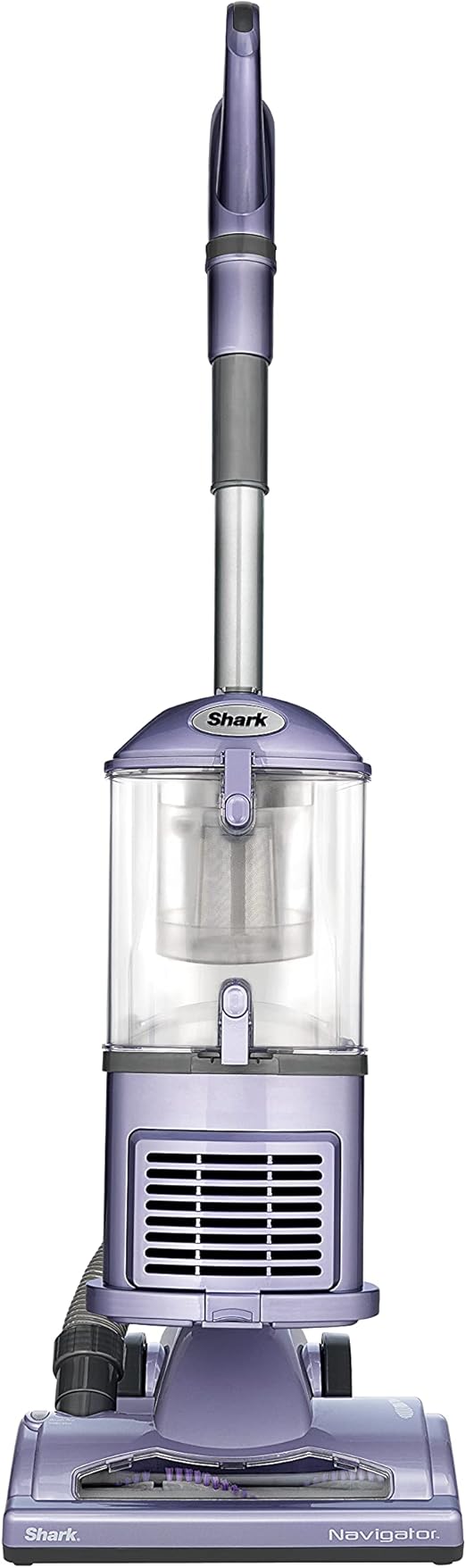
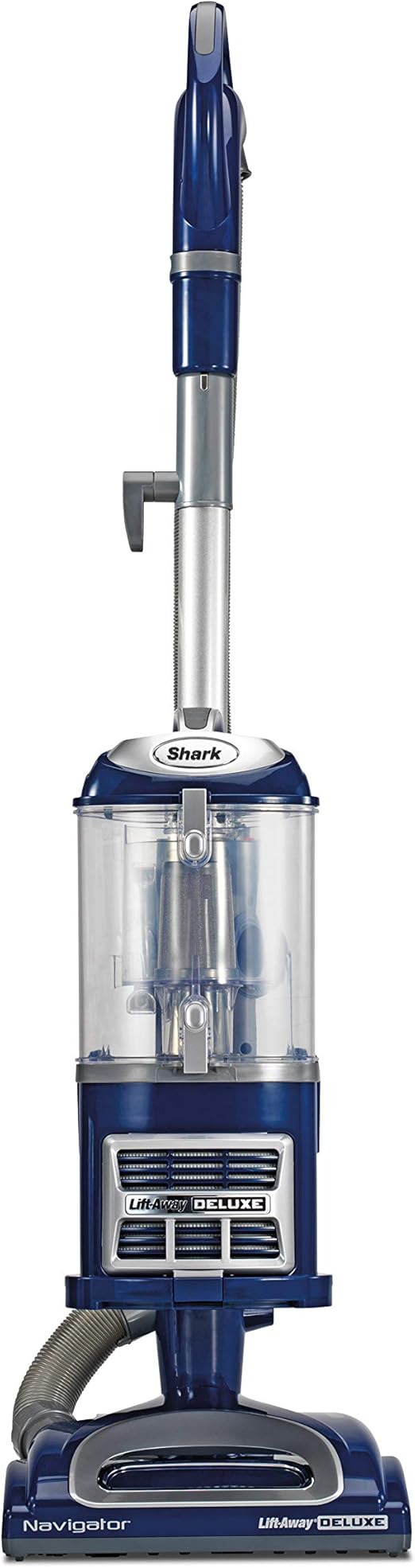
Shark's hallmark is the rapid integration of proprietary convenience technologies across their vacuum lines. Their standout features include DuoClean technology, which combines a stiff bristle brush roll for deep carpet agitation with an integrated soft front roller that pulls in large debris and directly polishes hard floors. Furthermore, Shark implements Anti-Hair Wrap (Self-Cleaning Brushroll) systems that mechanically comb pet and human hair from rotating drums, alongside their signature Lift-Away canister pods, which detach the central motor and dust cup from the floorhead for lightweight above-floor cleaning. Their cordless and upright units also frequently integrate active odor-neutralizing cartridges and intelligent surface-sensing motors that dynamically modulate brush speed based on floor resistance.
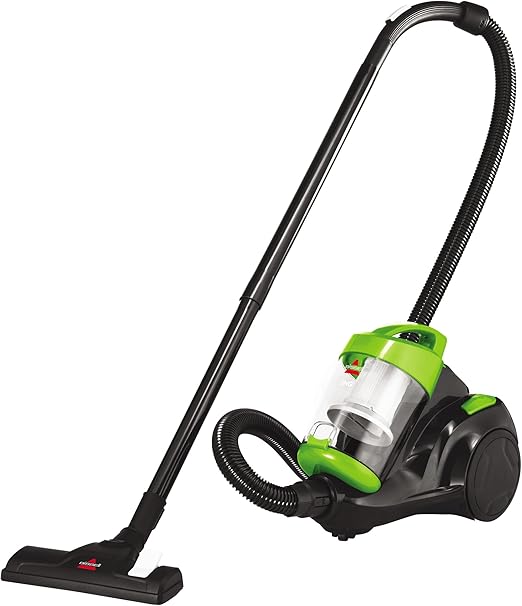
Bissell focuses its feature innovation primarily on moisture management, stain removal, and mess containment. In their dry vacuums, Bissell features systems like the Tangle-Free Brush Roll and the patented cyclonic Pet Hair Eraser spooling system, which mechanically compresses fur inside the bin so users can empty dust hands-free. However, Bissell's most sophisticated feature sets appear in their multi-surface machines, such as the CrossWave series, which deploy dual-tank technology to keep clean formula separate from dirty recovery water, and self-cleaning docking stations that flush the internal fluid channels post-use. While Shark focuses on ergonomics and dry-debris capture mechanics, Bissell’s feature profile provides superior functional utility for homes requiring intensive liquid extraction alongside standard sweeping.
Performance
In pure dry debris pickup and suction performance, Shark generally holds a measurable advantage over Bissell. Shark vacuums frequently generate higher air wattage (AW) and utilize advanced cyclonic separation channels that minimize filter clogging over sustained cleaning cycles. On hard surfaces, Shark's dual-roller design eliminates the common 'snowplowing' effect of large debris and prevents hard particles from scattering. On carpeting, their high-torque motor heads deliver deep agitation, successfully dislodging fine sands and micro-allergens settled deep within the backing. Additionally, Shark standardizes Anti-Allergen Complete Seal Technology with true HEPA filtration across most lines, ensuring 99.9% of microscopic particulate matter down to 0.3 microns remains trapped within the housing rather than exhausting back into the room.
Bissell delivers respectable dry pickup on medium-to-high pile carpets where heavy bristle brush rolls can physically beat out dirt, but entry-level models often suffer from static suction loss as their primary filters load with fine dust. Where Bissell dramatically outclasses Shark, however, is in total stain and biological mess remediation. Even the most powerful Shark dry vacuum cannot match the restorative cleaning power of a Bissell wet-extraction machine, which injects pressurized heated cleaning solution into carpet fibers and extracts embedded grime via high-lift wet-vac suction. If performance is judged strictly by daily dry vacuuming efficiency and sealed air filtration, Shark takes the lead; if evaluated by the capacity to revitalize soiled carpets, Bissell is the superior performer.
Design
From an industrial design standpoint, Shark vacuums are engineered around modularity and articulating ergonomics. The chassis architecture of models like the Shark Vertex or Stratos includes articulating joints (MultiFLEX) that allow wands to bend 180 degrees beneath low furniture and fold over completely for compact, freestanding storage. Shark's plastics, while lighter and occasionally susceptible to latch wear over prolonged periods of heavy use, are precisely molded with tactile release buttons, bright LED headlights on both floor nozzles and handles, and intuitive thumb-switches for real-time brush roll speed transitions. The overall aesthetic leans futuristic and technical, reinforcing their identity as a direct alternative to ultra-premium European vacuum brands.
Bissell employs a more traditional, utilitarian design philosophy centered around structural resilience and simplified user serviceability. Their uprights and CrossWave units feature robust, high-impact polycarbonate shells built to withstand accidental impacts against baseboards and furniture. Dust bins are designed for rapid access, and wet models utilize broad, transparent extraction nozzles that allow users to visually verify dirty water recovery in real time. While Bissell machines tend to be heavier, louder, and slightly less maneuverable around tight corners due to larger base footprints and rigid steering knuckles, their mechanical layouts make maintenance—such as clearing pump lines or replacing drive belts—straightforward for the average consumer without requiring specialized tools.
Compare current retail pricing, active promotions, and verified stock availability directly from authorized stores: