



Shark vs Belife: Overview & Brand Philosophy
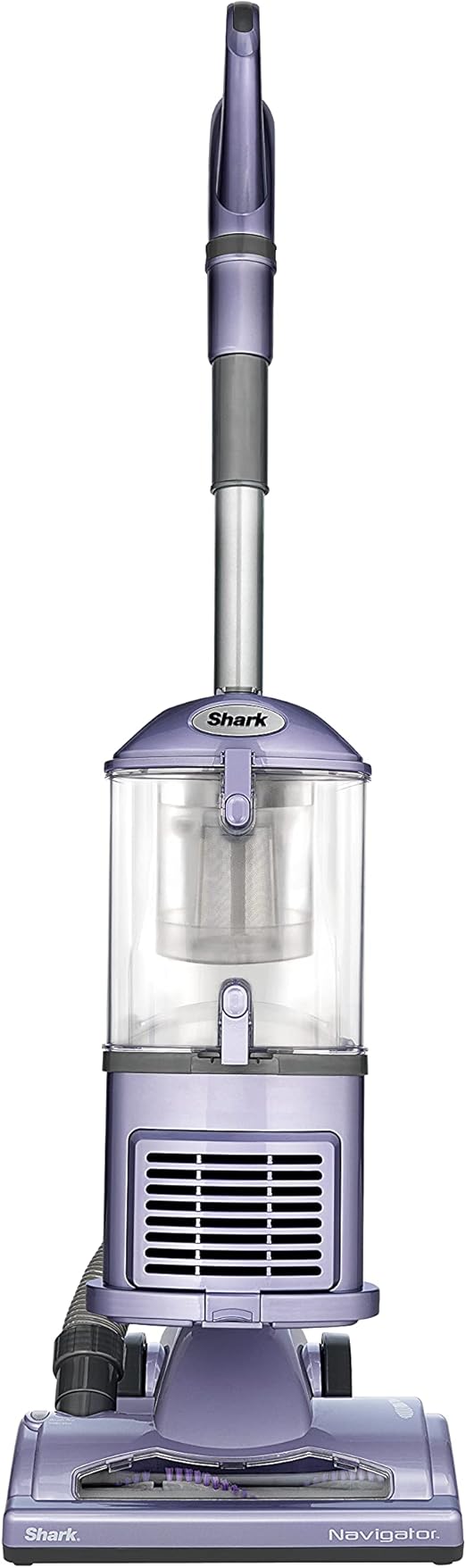
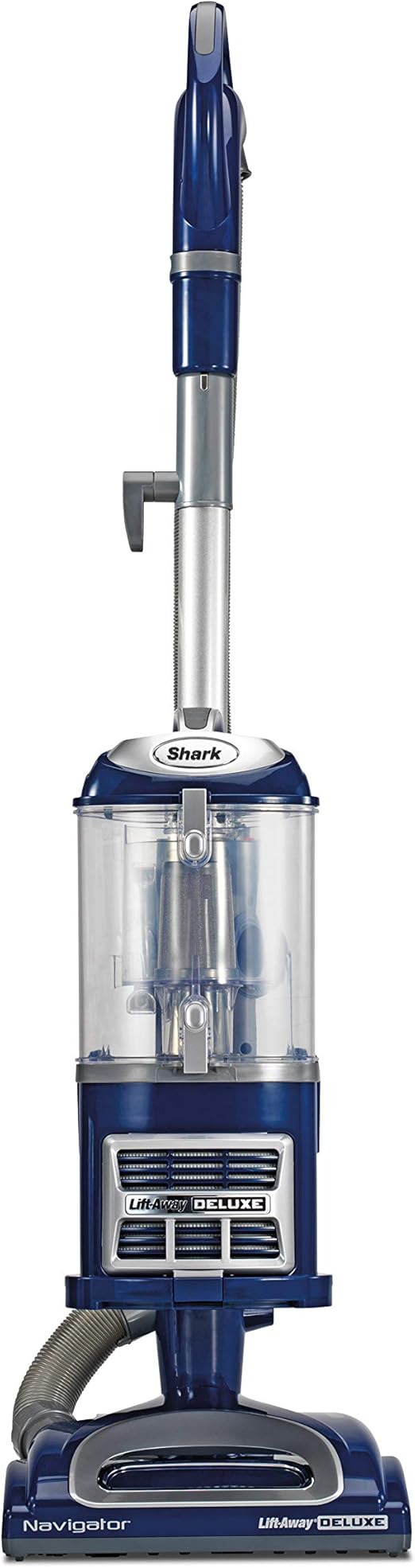
In the rapidly evolving landscape of domestic floor care, Shark and Belife occupy drastically different tiers of the market, each guided by distinct engineering philosophies and business models. Shark, a flagship subsidiary of SharkNinja Operating LLC, has spent decades cementing its position as a powerhouse household name. The brand bridges the gap between mid-range pricing and ultra-premium performance, directly challenging luxury giants like Dyson. Shark's philosophy revolves around solving everyday consumer pain points through continuous mechanical and aerodynamic innovation, yielding a diverse ecosystem of uprights, cordless sticks, and robotic vacuums characterized by robust suction, multi-surface versatility, and anti-hair-wrap technologies.
Conversely, Belife is a modern, direct-to-consumer (DTC) challenger brand that thrives within the budget-friendly, value-driven segment of the cordless vacuum market. Born in the era of e-commerce ubiquity, Belife strips away the high overhead costs associated with legacy brand marketing, extensive brick-and-mortar retail distribution, and proprietary research pipelines. Instead, Belife focuses on democratizing modern cleaning conveniences—such as ultra-lightweight cordless chassis, touchscreen interfaces, brushless digital motors, and multi-stage HEPA filtration—delivering them to budget-conscious households at a fraction of the cost of legacy competitors.
The contrast between these two manufacturers represents a classic dilemma for consumers: investing in a battle-tested, premium-engineered ecosystem backed by comprehensive warranties versus opting for an economical, agile alternative that offers respectable core functionality for entry-level budgets. As cordless stick vacuums become the prevailing form factor for contemporary homes, understanding how Shark's industrial engineering stacks up against Belife's lean, accessible approach is essential for making an informed investment.
Key Differences & Technological Comparison
When Comparing Shark and Belife, the divergence in engineering prowess, suction dynamics, and proprietary features becomes immediately evident across several core technical domains:
- Suction Power and Motor Dynamics: Shark utilizes high-torque, proprietary digital motors that produce substantial air wattage, maintaining sustained airflow even as the dust cup fills. Models in Shark’s Stratos and Vertex series dynamically adjust power via infrared and acoustic debris sensors (Clean Sense IQ). Belife, while leveraging capable brushless DC (BLDC) motors (often generating between 25,000 Pa to 30,000 Pa of theoretical suction in burst modes), struggles with sustained airflow under heavy, deep-pile carpet loads, relying more heavily on pure brush-roll agitation.
- Floorhead Engineering: One of Shark’s distinct competitive advantages is its DuoClean technology, which combines a soft front roller for fine dust and hard floors with a deep-cleaning bristle roller for carpets within a single floorhead. This is augmented by Self-Cleaning Brushroll fins designed to clear pet hair actively. Belife relies on a more conventional, single universal roller with hybrid V-shaped bristles and LED headlights. While functional for light debris and hard surfaces, it lacks the specialized dual-action agitation required for embedded dirt.
- Filtration and Seal Integrity: Shark’s Anti-Allergen Complete Seal Technology ensures that 99.9% of dust and allergens down to 0.3 microns remain trapped inside the machine, preventing particulate exhaust leakages. Belife offers multi-cone cyclonic separation paired with 6-layer filtration systems (including washable HEPA filters), which perform admirably for their price point, though the overall chassis tolerance and gasket seals are noticeably less airtight than Shark’s fully sealed assemblies.
- Ergonomics and Articulation: Shark incorporates its signature MultiFLEX technology in many stick variants, enabling the wand to bend forward to reach effortlessly beneath furniture and fold entirely in half for freestanding, compact storage. Belife opts for traditional rigid telescopic aluminum wands that reduce weight substantially—making them exceptionally agile for overhead cleaning—but requiring the unit to be wall-mounted or leaned against furniture for storage.
- User Interface and Controls: Belife focuses heavily on intuitive, modern tech accents, frequently outfitting its budget sticks with vibrant LED or LCD touchscreens displaying real-time battery percentages, blockage alerts, and power levels. Shark matches this on higher-tier units with comprehensive digital readouts, while retaining tactile trigger or slider switches that many users find more durable and responsive over time.
Pros & Cons Comparison
Shark: Pros & Cons
- Pro: Superior suction performance, particularly for deep-pile carpet extraction and heavy pet hair pickup.
- Pro: DuoClean dual-roller technology eliminates the need to switch floorhead attachments between hard floors and carpets.
- Pro: Anti-Allergen Complete Seal Technology provides medical-grade air sealing that genuinely benefits allergy sufferers.
- Pro: MultiFLEX wand designs offer industry-leading under-furniture reach and freestanding storage.
- Con: Notably heavier construction across both handheld units and floorheads, leading to increased wrist fatigue.
- Con: Significantly higher retail price point across both entry-level and flagship cordless lines.
Belife: Pros & Cons
- Pro: Exceptional price-to-performance ratio, often costing one-third to one-half the price of comparable Shark models.
- Pro: Ultra-lightweight build makes it easy to maneuver, lift overhead, and transport across multi-story homes.
- Pro: Clear, informative digital touchscreens that are rare among vacuums at its price point.
- Pro: Wall-mounted charging docks and swappable battery designs maximize operational convenience in smaller footprints.
- Con: Substantially lower build quality, utilizing lighter plastics that are more vulnerable to drops and stress fractures.
- Con: Limited brand longevity and customer service footprint, making replacement parts and warranty claims harder to secure.
- Con: Struggles with dense or high-pile carpeting, making it primarily suited for hard surfaces and low-pile rugs.
Performance, Durability & Value Analysis
From an absolute performance metric, Shark routinely outclasses Belife across varied floor types and debris profiles. In standardized pickup tests—spanning pet dander, micro-dust, kitty litter, and stubborn hair—Shark’s higher CFM (cubic feet per minute) airflow rating ensures that debris is pulled completely into the cyclonic chamber on a single pass. Belife vacuums, like the B8 or B10 series, exhibit competent pickup on hard surfaces like laminate, vinyl, and tile, where high mechanical airflow is less critical than simple roller sweep. However, on medium-to-deep pile carpets, Belife’s motors can bog down, leading to motor strain, reduced roller revolutions, and missed debris trapped deep within carpet fibers.
Durability and long-term value further delineate the two manufacturers. Shark builds its appliances with high-impact ABS plastics, reinforced joints, and heavy-duty locking mechanisms designed to withstand years of regular household impact. Furthermore, Shark maintains a mature customer service infrastructure, extended multi-year warranties (often up to 5 years), and an abundant supply of aftermarket and genuine replacement parts. Belife presents remarkable immediate value for consumers on a strict budget who need a daily hard-floor sweeper; however, its long-term lifecycle is inherently more fragile. Thinner polycarbonates, basic seals, and third-party battery cells suggest that a Belife vacuum is primarily a short-to-mid-term utility, whereas a Shark represents a long-term household investment.
Final Verdict: Which Brand Should You Choose?
Choosing between Shark and Belife ultimately hinges on your home's flooring composition, your household demands, and your long-term budget strategy.
You should choose Shark if: You live in a medium-to-large home with mixed flooring (particularly medium or high-pile carpets), have multiple shedding pets, or suffer from indoor allergies. Shark's sealed HEPA filtration, robust motor output, and game-changing DuoClean dual-roller system justify the premium price tag. If you view a vacuum as a foundational appliance that needs to withstand aggressive daily usage for several years, Shark is unquestionably the superior, more durable option.
You should choose Belife if: You reside in an apartment, condo, or home dominated by hardwood, tile, or laminate flooring, and you operate on a strict sub-$150 budget. Belife is ideal for students, second-home owners, or anyone looking for a secondary, ultra-lightweight cordless unit for quick kitchen spills and surface sweeps. While it lacks the raw engineering force and long-term longevity of Shark, Belife punches well above its weight class, delivering modern features, solid hard-floor performance, and exceptional short-term value.
Features
When evaluating the functional engineering and feature architecture of vacuum cleaners, Belife and Shark represent distinctly different tiers of innovation and practical utility. Belife focuses primarily on delivering contemporary, entry-level smart conveniences within the budget-friendly cordless market. Their models typically feature high-resolution LED or LCD touchscreens that present real-time diagnostics, including battery percentage, fault alerts, and suction modes. Belife also incorporates integrated LED brush head headlights and multi-stage HEPA filtration systems, ensuring that foundational consumer expectations for modern stick vacuums are met. However, Belife’s feature set tends to be straightforward rather than transformative, relying on off-the-shelf engineering paradigms that execute standard debris pickup well, but lack proprietary mechanical solutions for stubborn deep-cleaning challenges or complex whole-home transitions.
In contrast, Shark operates as an engineering powerhouse in the consumer floorcare space, distinguishing itself through heavily patented, mechanical problem-solving features. Shark’s signature DuoClean dual-roller technology and self-cleaning brushrolls actively mitigate hair wrap—a perennial frustration that basic roller heads like Belife's fail to solve effectively. Furthermore, Shark sets the standard for ergonomic flexibility with mechanisms such as MultiFLEX, which bends the wand to easily reach under low furniture and allows for freestanding storage, and Lift-Away canisters, which instantly convert heavy uprights into portable pods for above-floor detailing. Shark also integrates intelligent ambient sensing via their Clean Sense IQ technology, which automatically throttles suction power based on undetectable micro-debris concentrations, alongside whole-machine sealed Anti-Allergen systems that vastly outperform basic HEPA-rated modular vacuums in emissions control.
Ultimately, the trade-offs between these two brands regarding features reflect the disparity between superficial utility and advanced mechanical efficacy. Belife offers an appealing digital interface and lightweight, accessible functionality that gives consumers a modern aesthetic experience without a steep price tag, making it suitable for low-maintenance living spaces with light-to-medium cleaning needs. Shark, however, offers significantly higher technical depth, utility, and mechanical durability. While Shark machines are generally heavier, mechanically more complex, and command a higher price point, their extensive suite of patented floorcare innovations actively streamlines labor, automates maintenance tasks like brushroll de-tangling, and provides a markedly more versatile, high-performance cleaning experience overall.
Performance
When evaluating raw cleaning performance, Shark holds a definitive engineering advantage over Belife, largely driven by its proprietary airflow dynamics and advanced motor configurations. Shark vacuums typically utilize high-efficiency cyclonic systems paired with multi-surface motorized heads, notably their signature DuoClean technology, which employs dual brush rolls to simultaneously pull in large debris and polish away fine particulate matter from hard floors and carpets alike. In contrast, Belife focuses on the budget-friendly cordless segment, utilizing compact brushless digital motors that produce respectable suction—often rated up to 25,000 Pascals (Pa)—which is more than adequate for standard daily maintenance and surface-level detritus. However, Belife's relying on a single, standardized bristle-and-rubber roller means it lacks the aggressive agitation and specialized surface adaptation required to lift deep-set sand, pet dander, and embedded dirt from dense, high-pile carpets.
The technical divergence becomes even more pronounced when examining consistency, filtration-related airflow maintenance, and specialized debris handling. Shark incorporates active anti-hair wrap technology directly into the brush roll mechanics, using integrated combs and angled bristles to prevent pet and human hair from choking the roller—a critical engineering feature that preserves peak agitation performance without frequent user intervention. Furthermore, Shark’s sealed HEPA systems ensure that exhaust filtration does not throttle motor velocity over time. Belife models, while featuring multi-cone filtration systems that capture fine dust, lack active anti-tangling engineering, requiring frequent manual maintenance to prevent hair buildup from slowing down the roller motor. Additionally, while Belife offers dynamic auto-sensing suction modes on select models, its battery management system tends to step down power rapidly to conserve runtime, whereas Shark cordless and corded models deliver a significantly sustained, unthrottled burst of airflow through demanding cleaning cycles.
Ultimately, the performance trade-off between the two brands centers on cleaning intensity versus lightweight agility. Belife delivers commendable, agile performance that punches above its price class for lightweight, day-to-day vacuuming across hardwood floors, low-pile rugs, and secondary living spaces. However, for households facing demanding environments—such as multi-pet owners, heavy foot traffic, and extensive carpeted square footage—Shark is the superior performer. Shark's robust engineering, superior floorhead agitation, and persistent suction profiles ensure a fundamentally deeper, more thorough extraction across varied flooring types, comfortably justifying its place as the performance-tier benchmark.
Design
When evaluating design engineering in the vacuum cleaner market, Shark and Belife represent two distinct philosophies: mature, utility-driven innovation versus budget-conscious functional minimalism. Shark’s design language is characterized by complex, user-centric mechanical engineering aimed at eliminating friction points during whole-home cleaning. Hallmarks of Shark’s design include their patented DuoClean dual-roller brush heads, anti-hair-wrap technologies, and flexible "MultiFLEX" folding wands, which allow the vacuum to reach under furniture or stand upright without a docking station. Additionally, Shark integrates proprietary "Lift-Away" pod mechanics on its upright lines, seamlessly transforming bulky vacuums into portable canister units. These technical strengths are backed by durable, high-impact plastics and intuitive touchpoints, though they come with the practical trade-off of higher curb weight and a denser, bulkier form factor that can demand more physical effort to maneuver.
In contrast, Belife approaches design from an ultra-lightweight, streamlined perspective, catering to users who prioritize simplicity and effortless handling over multi-configuration complexity. Belife’s cordless stick vacuums utilize a standardized, modular design ethos, featuring balanced ergonomic pistol-grip handles, clear LED or touchscreen interfaces displaying real-time power and battery metrics, and pivoting cleaner heads with integrated LED headlamps for improved visibility in dark spaces. However, the engineering trade-offs of Belife’s budget-friendly approach manifest in the materials and long-term durability. While light and modern, the chassis often relies on thinner ABS plastics and less sophisticated dust cup release latches that lack the tactile precision and durability of Shark’s components. Belife models also generally feature simpler single-roller brush heads that are more susceptible to hair tangling compared to Shark’s active self-cleaning assemblies.
Ultimately, the design divergence highlights differing target demographics. Shark excels in industrial-grade, highly versatile engineering where features like self-standing storage, multi-surface adaptability, and complex filtration seals (such as Anti-Allergen Complete Seal) justify a heavier, more complex build. Belife, while lacking Shark's deep mechanical refinement, wins on sleek compactness, making it far easier to store in small apartments and less fatiguing for overhead or quick spot-cleaning sessions. Consumers must weigh Shark's mechanically advanced, heavy-duty durability against Belife’s nimble, accessible, and lightweight aesthetic simplicity.
Compare current retail pricing, active promotions, and verified stock availability directly from authorized stores:
Compare current retail pricing, active promotions, and verified stock availability directly from authorized stores: