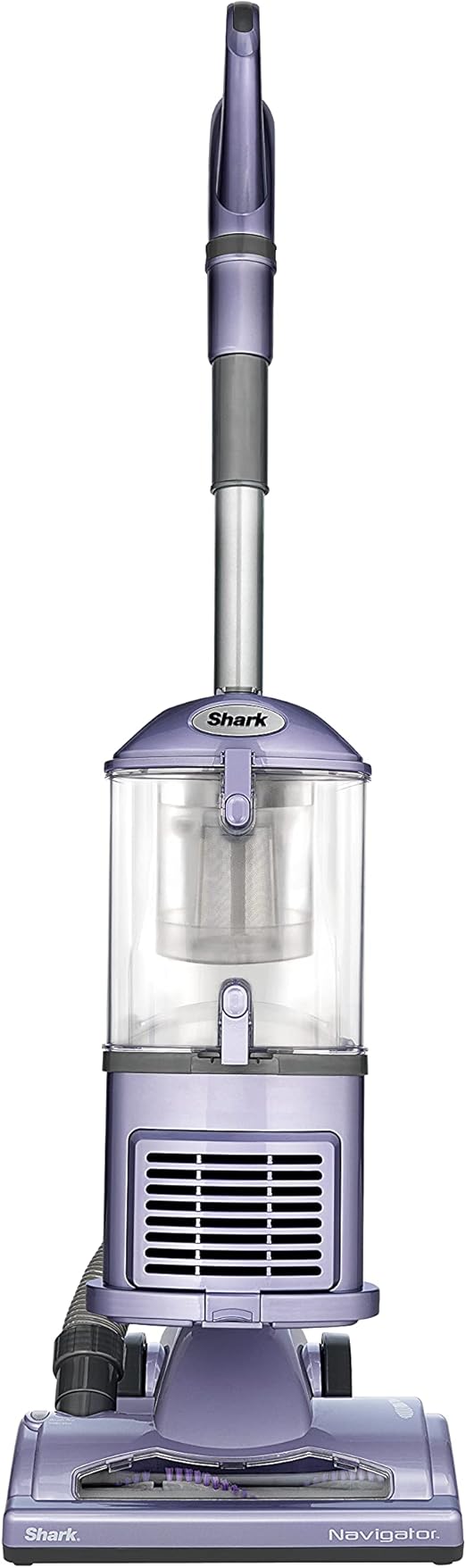
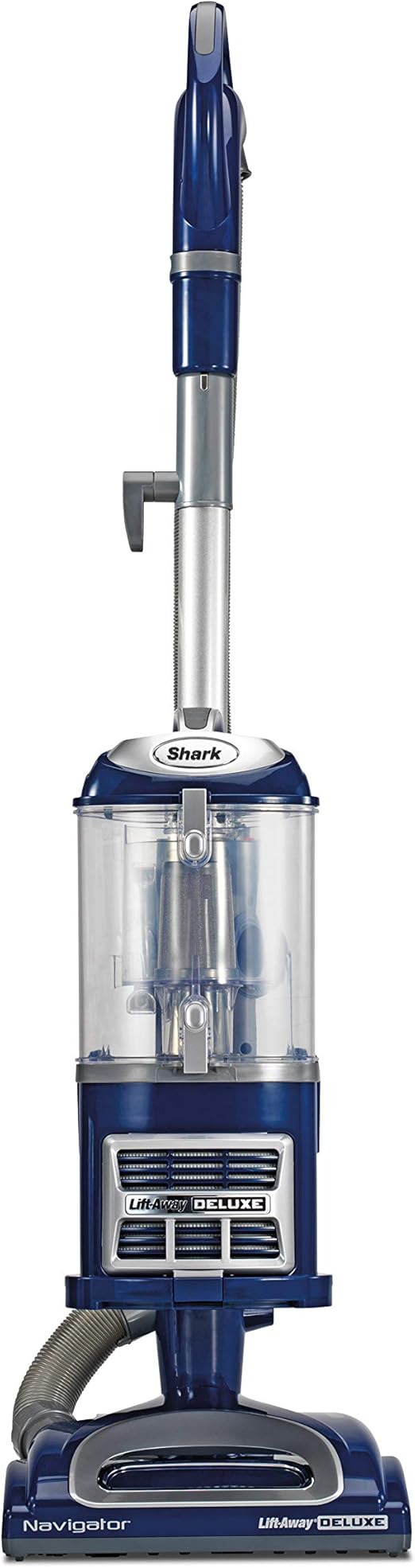
Samsung vs Shark: Overview
Comparing Samsung and Shark helps you determine which brand is best suited for your needs in Vacuum Cleaners. Both brands offer strong choices depending on your budget and key feature requirements.
Key Features & Comparison
Evaluate factors such as build quality, warranty, customer satisfaction, and total value before making your final purchase choice between Samsung and Shark.
Features
Feature implementation highlights a major divergence in how both brands tackle user convenience. Samsung focuses on high-tech automation and hygiene, epitomized by its All-in-One Clean Station. This system uses proprietary Air Pulse technology to evacuate the vacuum's dustbin automatically, sealing debris into multi-layered anti-allergen bags and drastically reducing airborne particulate exposure. Furthermore, Samsung incorporates integrated digital LCD interfaces that display exact battery runtime down to the second, maintenance alerts, and blockage notifications. Many Samsung models also support interchangeable motorized wet-mop attachments, transforming the vacuum into a comprehensive hard-floor scrubbing system that elevates it beyond basic dry suction.
Shark counters with highly mechanical, tactile innovations engineered to solve everyday cleaning frustrations directly on the floor head. Their standout technologies include the DuoClean system, which combines a soft front roller with deep-cleaning rear bristles to capture fine dust and large debris simultaneously, and Anti-Hair Wrap (Zero-M) technology that actively removes tangled pet hair from the brush roll. Shark’s Lift-Away and MultiFLEX technologies allow users to detach the motor canister or bend the wand with a single click, providing unmatched reach under low furniture and effortless stair cleaning. While Shark lacks Samsung's high-tech digital elegance and integrated mopping capabilities, its targeted physical engineering makes it remarkably versatile for multi-surface and pet-heavy environments.
Performance
In raw performance metrics, Samsung relies on high-velocity Digital Inverter Motors that generate suction power reaching up to 210 to 280 Air Watts in their top-tier stick vacuums. This immense suction, paired with multi-cyclonic separation systems, ensures that airflow remains virtually uncompromised even as the dust chamber fills. Samsung excels notably on hard surfaces and low-pile carpets, where its tightly sealed airflow and multi-layered HEPA filtration capture up to 99.999% of microdust particles down to 0.3 microns. However, on deep-pile or high-density carpets, Samsung’s lighter brush heads can occasionally feel floaty, requiring users to rely heavily on maximum power modes which rapidly deplete the battery.
Shark’s cleaning performance is characterized by aggressive physical agitation and broad airflow pathways rather than pure sealed motor wattage alone. The dual-roller DuoClean head pulls in massive amounts of debris from both carpets and bare floors in a single pass, eliminating the 'snowplowing' effect common with large debris on hard surfaces. On thick carpets, Shark's heavier floor head creates an exceptionally tight seal, delivering superior deep-down dirt and pet hair extraction. The trade-off lies in long-term efficiency and noise: Shark vacuums tend to operate at higher decibel levels and feature traditional multi-stage foam and felt filters that, while equipped with Anti-Allergen Complete Seal technology, require more frequent washing to prevent suction degradation compared to Samsung’s advanced cyclonic assemblies.
Design
From an industrial design standpoint, Samsung sets a benchmark for minimalist, high-end aesthetics. The Bespoke Jet series is intentionally engineered to be displayed out in the open rather than hidden in a utility closet, featuring sleek contours, sophisticated matte finishes, and an exceptionally well-balanced weight distribution. By placing the motor and battery near the grip, Samsung keeps the handheld weight around 3.1 to 3.5 pounds, significantly reducing wrist strain during extended overhead or under-furniture cleaning. The overall build exhibits tight tolerances, premium plastics, and ergonomic balance, reflecting Samsung’s standard high manufacturing standards across its luxury appliance portfolios.
Shark adopts an explicitly functional, mechanical design ethos that prioritizes modular adaptability over sleek minimalism. While durable and robust, Shark vacuums rely on complex latches, release pedals, and articulating joints that result in a bulkier, utilitarian silhouette. Handheld components are generally heavier than Samsung's, as motors, internal wiring for powered heads, and Lift-Away mechanisms add noticeable heft. However, this bulk is compensated for by brilliant ergonomics like freestanding parking modes—which prevent the vacuum from toppling over without needing a wall mount—and folding wands that simplify compact storage. Shark’s design is unmistakably built for hard, pragmatic utility, whereas Samsung delivers an elevated, lightweight architectural design.