LG vs Shark: Overview & Brand Philosophy
When selecting a modern vacuum cleaner, consumers are often caught between high-tech engineering and practical, budget-conscious versatility. LG and Shark represent two distinct paths to domestic cleaning supremacy. LG, a South Korean industrial titan synonymous with advanced home electronics, approaches the floor-care market with an emphasis on engineering refinement, automation, and ecosystem integration. Under its "CordZero" banner, LG treats the vacuum not merely as a mechanical utility, but as an elegant, connected appliance designed for the modern, tech-forward home.
In contrast, Shark, a flagship brand under Massachusetts-based SharkNinja, made its name by democratizing premium vacuum technologies. Shark’s core philosophy revolves around consumer-centric problem-solving, rapid market adaptation, and aggressive value pricing. Rather than focusing on aesthetic minimalism or connected features, Shark prioritizes hyper-functional mechanical designs—such as flexible wands, anti-hair-wrap brush rolls, and dual-roller systems—that directly target everyday consumer pain points at a fraction of the cost of luxury competitors.
Consequently, this brand comparison is a study in priorities: LG aims for high-end consumers looking for sophisticated all-in-one docking stations, long-term battery durability, and lightweight premium builds, whereas Shark targets practical households that demand immense raw suction power, versatile multi-surface floor tools, and heavy-duty performance without an exorbitant price tag.
Key Differences & Technological Comparison
The technical architectures of LG and Shark vacuums reflect their divergent brand philosophies, primarily visible across motor design, filtration, automated cleaning stations, and floor-head technologies.
Auto-Emptying & Docking Stations: LG is a market leader in automated docking design. Its proprietary All-in-One Tower not only charges a secondary battery simultaneously but also automatically clears the vacuum’s dustbin into a sealed, internal HEPA bag while using integrated UVC LED light to inhibit bacterial growth. Shark offers its own self-emptying docks across select cordless and robot models, but they typically feature bagless recovery systems. While Shark's approach eliminates the recurring cost of replacement bags, LG’s sealed system delivers vastly superior containment for allergy sufferers.
Brush Roll and Floor-Head Technology: Shark dominates mechanical floor transitions through its signature DuoClean technology, which combines a stiff bristle brush for deep carpet cleaning with a soft front roller to pull in large debris and polish hard floors simultaneously. Paired with self-cleaning brush rolls that aggressively resist long hair and pet fur tangles, Shark often outperforms LG on mixed-surface transitions. LG counters with dedicated motorized heads: a universal multi-surface nozzle and specialized micro-fiber soft rollers, requiring manual swapping between surface types, though its Kompressor lever allows users to physically compact bin debris to double capacity mid-clean.
Filtration, Motors, and Battery Life: LG implements smart inverter motors that run quietly while maintaining high efficiency, backed by a 5-stage HEPA filtration system that reliably captures 99.99% of particulate matter down to 0.3 microns. LG also provides two swappable lithium-ion batteries with many CordZero units, effectively doubling runtime up to 100-120 minutes in low-power modes. Shark employs robust motors that frequently generate higher air-wattage (AW) suction metrics in standard upright and corded variants, but its cordless batteries are frequently non-removable or sold as single units, leading to runtime degradation over multi-year cycles.
Pros & Cons Comparison
LG Vacuums
- Pro: Premium All-in-One Tower offers hygienic, automated dust disposal with UVC light sanitation.
- Pro: Dual swappable batteries provide extended, uninterrupted cleaning sessions.
- Pro: Exceptional multi-layer HEPA filtration design certified for allergy containment.
- Pro: Integrated Kompressor technology mechanically doubles the internal dustbin capacity.
- Con: Significantly higher upfront purchase price than most Shark alternatives.
- Con: Requires switching dedicated cleaning heads manually for optimal performance on differing floor types.
Shark Vacuums
- Pro: DuoClean dual-roller and PowerFins technologies excel at handling mixed surfaces without nozzle changes.
- Pro: Highly effective anti-hair-wrap brush rolls make them an industry benchmark for pet owners.
- Pro: Substantially lower retail pricing, delivering superior raw suction-per-dollar ratios.
- Pro: Bagless auto-empty bases prevent the recurring expense of disposable dust bags.
- Con: Heavier, bulkier builds with higher plastic tolerances that can degrade under sustained rough handling.
- Con: Non-sealed emptying designs and basic filter seals fall short of hospital-grade HEPA thresholds on lower-tier models.
Performance, Durability & Value Analysis
From an operational standpoint, Shark frequently matches or exceeds LG in raw deep-cleaning performance on plush carpets and heavy pet hair pickup, primarily due to aggressive bristle agitations and higher sustained airflow in its corded and heavy-duty stick lines. However, this raw mechanical force comes at the expense of refined ergonomics. Shark vacuums tend to have heavier hand weights, louder decibel outputs, and mechanical hinges (such as the MultiFLEX folding wand) that can become points of structural failure over 3 to 5 years of vigorous use. Customer service experiences with Shark often emphasize replacement parts over unit repairability.
LG, conversely, delivers a superior long-term ownership experience grounded in component reliability and materials science. The company’s Smart Inverter Motors are often backed by a 10-year parts warranty, signaling significant industrial confidence. The plastics, seal gaskets, and connection latches on the CordZero series exhibit tighter engineering tolerances that resist micro-leaks and structural fatigue far better than Shark. While LG represents a considerably larger upfront investment—often double the price of a mid-tier Shark—the inclusion of modular components, dual batteries, and premium build quality yields exceptional value for consumers who prioritize a quiet, low-maintenance appliance meant to last for years.
Final Verdict: Which Brand Should You Choose?
Your choice between LG and Shark ultimately hinges on your budget, living space configuration, and how you value aesthetic refinement versus rugged utility:
Choose LG if: You are willing to invest in a sleek, high-end ecosystem that prioritizes indoor air quality, seamless aesthetics, and allergy containment. LG is the superior choice for urban apartments, design-conscious homes, and allergy sufferers who want an auto-emptying station that completely conceals dust and dander, backed by the reliability of modular, swappable batteries and ultra-quiet motor engineering.
Choose Shark if: You prioritize raw cleaning performance, have multiple pets that shed constantly, and want the best possible value for your money. Shark remains the undisputed champion for budget-conscious families, large homes with high-pile carpets, and owners who desire hassle-free floor-to-carpet transitions without having to manually swap accessories or purchase expensive replacement bags.
Features
When evaluating feature sets, LG and Shark represent two distinct philosophies: LG approaches vacuum technology through high-end mechatronic integration and smart home connectivity, while Shark focuses on mechanical utility and problem-solving versatility. LG’s flagship cordless vacuums, predominantly found in the CordZero series, emphasize automated convenience and engineering precision. Key technical features include the Kompressor lever—a mechanical compaction system that compresses bin debris to increase capacity by up to 2.4 times—and the All-in-One Tower, which automatically empties the dustbin while charging dual swappable batteries simultaneously. LG also integrates Wi-Fi connectivity via its ThinQ application, offering filter-cleaning alerts, diagnostic tracking, and usage history. These high-tech features reflect exceptional manufacturing tolerances and deliver a seamless, low-maintenance user experience, though they inherently position LG at a premium price point.
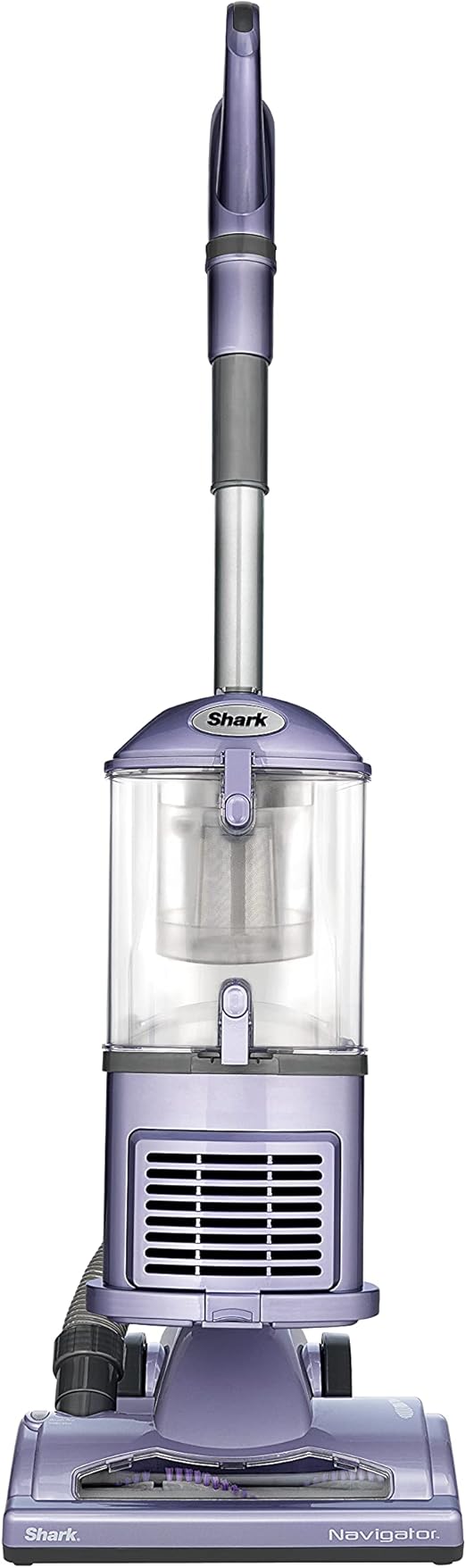
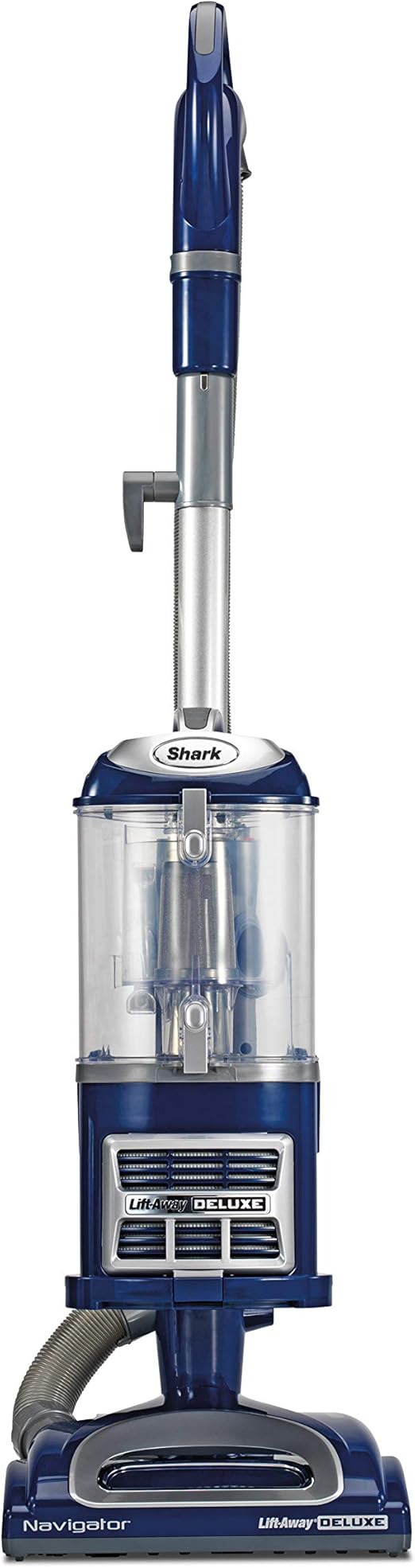
Conversely, Shark concentrates its engineering on functional, real-world pain points with patented mechanical innovations rather than digital integration. Shark's feature portfolio is defined by its Lift-Away technology, which allows the canister to detach from the wand for portable cleaning, and the MultiFLEX wand, which bends to reach beneath low furniture and folds completely for compact storage. Floorcare is driven by their DuoClean and PowerFins technologies, which combine a soft front roller with engineered silicone fins to simultaneously pull in large debris and polish hard floors without requiring floor-head swaps. Additionally, Shark integrates self-cleaning brushrolls designed to proactively slice or prevent hair wrap, paired with actively illuminated LED headlights. While Shark vacuums lack the app-connected ecosystem, swappable dual-battery configurations, and sleek aesthetic refinement of LG, their feature set offers immediate, tactile adaptability across diverse floor types and configurations.
The practical trade-offs between these two brands center on the dichotomy of automated refinement versus tactile utility. LG's technical strengths lie in its closed, hygienic ecosystem; the auto-emptying tower and continuous run-time enabled by two interchangeable batteries make it ideal for consumers prioritizing effortless maintenance and streamlined cordless ergonomics. However, LG’s nozzle attachments are generally more conventional, requiring separate specialized heads for optimal hard floor versus carpet performance. Shark delivers vastly superior out-of-the-box physical versatility, offering all-in-one floorheads and articulating wands that tackle stairs and deep furniture with minimal effort. The compromise with Shark lies in build longevity and maintenance: dustbins must typically be emptied manually, corded models carry physical tethering, and cordless iterations often feature single, non-removable batteries that limit run-time. Consumers prioritizing automated, hands-off operation will favor LG, whereas those needing utilitarian adaptability will find Shark's mechanical features more practically effective.
Performance
When evaluating raw cleaning performance, LG and Shark approach suction mechanics and surface agitation with distinctly different engineering philosophies. LG focuses primarily on high-efficiency, aerospace-grade Smart Inverter Motors found in its CordZero lineup. These brushless motors deliver exceptionally sustained, fade-free suction power through advanced multi-cyclone airflow systems that maintain high performance even as the dust chamber fills. Furthermore, LG utilizes specialized, dedicated brush heads for different surfaces—such as an automated Kompressor dual-floor nozzle and an ultra-soft roller for delicate hard floors. This precision engineering ensures that LG vacuums excel at deep-cleaning embedded fine particulate from medium-to-high pile carpeting while maintaining remarkable energy efficiency, making them superior for long, uninterrupted cleaning sessions without thermal throttling.
Conversely, Shark’s performance profile is engineered around aggressive surface agitation and immediate debris clearance through proprietary mechanical features. Shark’s signature DuoClean technology utilizes a dual-roller system within a single floor head—combining a stiff bristle brush for carpet fibers with a soft front roller that continuously pulls in large debris and micro-dust without snowplowing. Complemented by their self-cleaning Zero-M brushrolls, Shark excels dramatically in homes dealing with heavy pet hair shedding and varied debris sizes on mixed flooring transitions. While Shark's suction power on high-end corded and cordless models often matches or slightly exceeds LG's baseline in short bursts, Shark vacuums are more prone to airflow restriction if filters are not frequently maintained, and their heavier floor heads prioritize downforce and mechanical sweeping over LG’s pure cyclonic airflow dynamics.
The ultimate performance trade-off between the two brands rests on the dichotomy between mechanical versatility and pure cyclonic endurance. Shark offers immediate, tactile versatility; users transitioning rapidly from large kitchen messes to area rugs will find Shark’s dual-brush system more immediately aggressive and capable of capturing large particles in a single pass. However, LG holds the technical advantage in long-term performance fidelity, air filtration efficiency, and motorized attachment variety—including their active power-mop attachments that outclass Shark's standard dry-vacuum capabilities. For consumers prioritizing continuous, finely filtered cyclonic suction and superior motor longevity, LG takes the performance lead, while Shark remains the champion for aggressive, high-debris, mixed-surface agitational pickup.
Design
When evaluating the design philosophy of LG and Shark vacuum cleaners, the contrast between sleek, integrated minimalism and utilitarian versatility becomes immediately apparent. LG, predominantly competing in the premium cordless stick vacuum market with its CordZero lineup, prioritizes a cohesive, tech-forward aesthetic engineered with high-grade, lightweight plastics and brushed metallic finishes. The hallmark of LG's engineering is its all-in-one docking architecture—epitomized by the Auto Empty and All-in-One Towers—which cleanly conceal the vacuum, secondary batteries, and accessory attachments in a streamlined, furniture-like enclosure suitable for open living spaces. In contrast, Shark embraces a decidedly functional, highly mechanical industrial design across both its upright and stick lineups. Built with durable, rugged materials meant to withstand heavy use, Shark prioritizes ergonomic agility over aesthetic concealment, integrating functional visual cues like intuitive latch triggers, brightly colored service points, and integrated LED headlights across most brush heads.
The structural strengths and feature sets of each brand highlight radically different approaches to user convenience and maintenance. Shark’s most celebrated design innovation is its Lift-Away technology, which enables users to detach the canister from the floor nozzle via a single foot pedal, transforming an upright unit into a portable pod for stair and above-floor cleaning. Complementing this is Shark’s MultiFLEX wand, which bends via an integrated hinge to access low furniture without kneeling, as well as their DuoClean dual-roller brush rolls that eliminate the need to switch floorheads between hard surfaces and carpet. LG counters not with mechanical hinges, but with high-efficiency solid-state engineering, such as its telescoping wands that adjust effortlessly for different user heights and the proprietary Kompressor lever, which mechanically compresses collected debris inside the dustbin to effectively double its volume without expanding the chassis. Furthermore, LG’s Kompressor system minimizes the user's exposure to dust plumes during manual emptying, whereas Shark’s design relies on large-capacity, trapdoor bins that can occasionally lead to messy clouding if not emptied carefully.
Ultimately, the practical trade-offs in design come down to lifestyle suitability, weight distribution, and functional complexity. Shark delivers exceptional real-world adaptability and immediate problem-solving features—such as integrated self-cleaning brushrolls that actively prevent hair wrap—though this mechanical versatility introduces more hinges, latches, and potential points of failure, often resulting in a heavier in-hand feel. LG offers superior center-of-gravity engineering and seamless, modern ergonomics that make overhead maneuvering effortless, backed by swappable dual-battery systems designed to be recharged simultaneously within the tower. However, LG’s polished, modern design language commands a significantly higher investment and relies heavily on a dedicated footprint for its charging station, whereas Shark’s flexible, free-standing, and fold-flat profiles offer greater utilitarian value for demanding, high-traffic households that prioritize rugged performance over minimalist elegance.