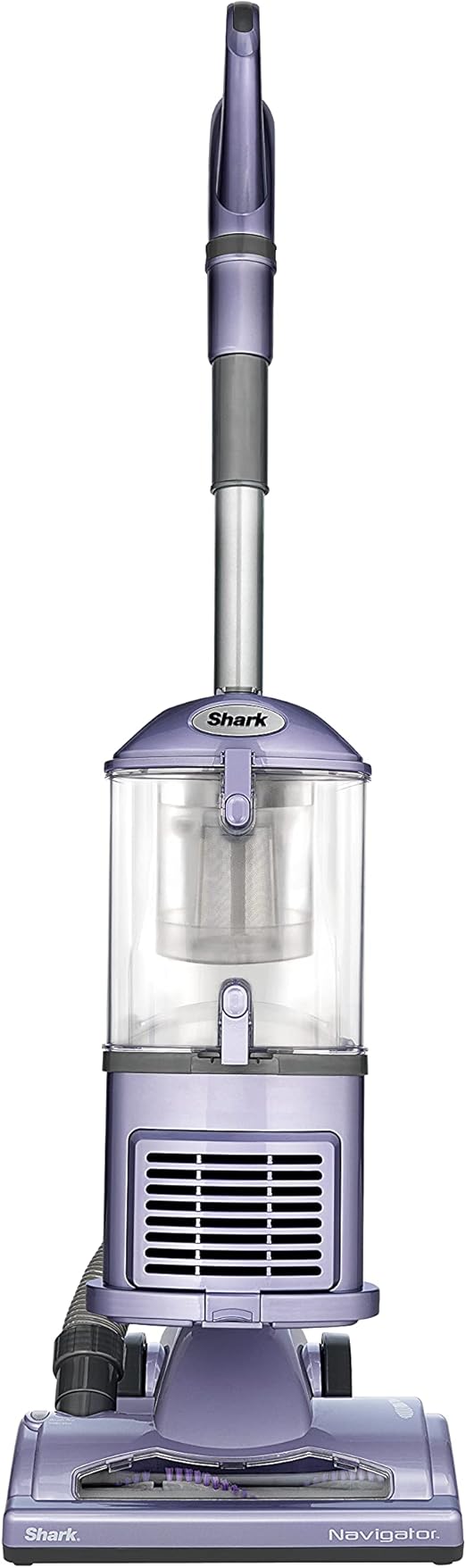
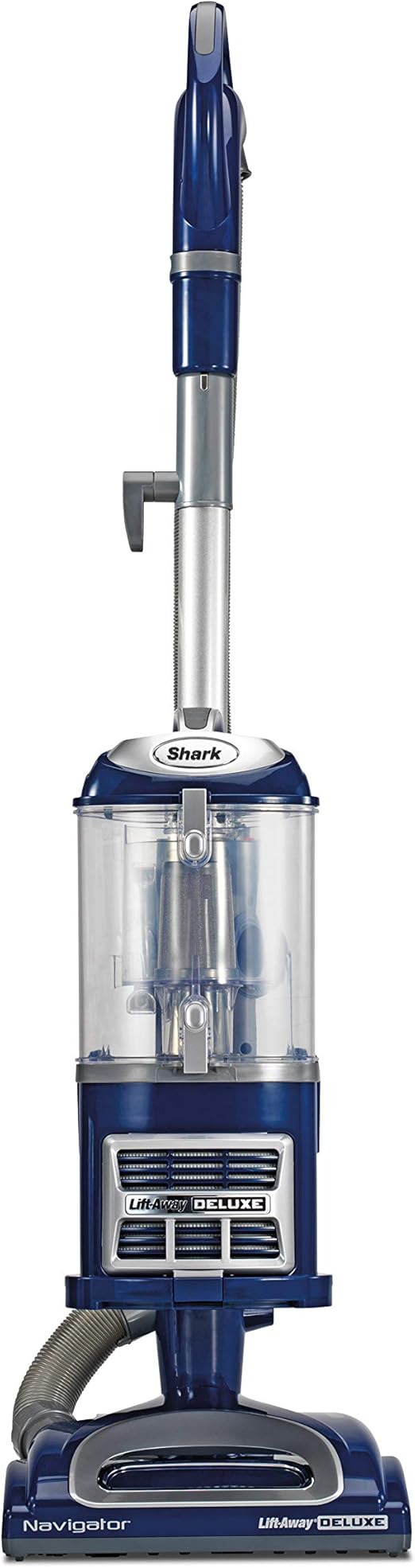
BLACK+DECKER vs Shark: Overview & Brand Philosophy
When navigating the modern floor care market, few names carry the widespread familiarity of BLACK+DECKER and Shark. While both operate extensively within home cleaning, their heritage and strategic focus could not be more divergent. BLACK+DECKER, a foundational American power tool brand with roots stretching back over a century, pioneered the consumer cordless revolution with the introduction of the Dustbuster in 1979. Today, their floor care philosophy remains tethered to utilitarian convenience, accessibility, and budget-friendly utility, positioning their machines primarily as secondary cleaning aids for swift, localized maintenance.
Conversely, Shark—the flagship floor care marque under the SharkNinja umbrella—has disrupted the domestic cleaning sector over the last two decades through relentless consumer-driven innovation. Shark approaches vacuum design with an aggressive engineering ethos, directly challenging premium incumbents like Dyson. Their philosophy prioritizes comprehensive, whole-home deep cleaning solutions loaded with proprietary functional technology, aiming to bridge the gap between high-end performance and mid-tier retail pricing.
Understanding these distinct brand philosophies is essential for prospective buyers. BLACK+DECKER caters primarily to consumers seeking simplicity, compact storage, and affordable spot-cleaning apparatuses. Shark targets users demanding primary cleaning hardware capable of deep carpet agitation, advanced allergen containment, and multi-surface versatility, making this comparison an exploration of casual convenience versus intensive performance.
Key Differences & Technological Comparison
The technical divergence between BLACK+DECKER and Shark is evident across suction architecture, brush roll mechanics, filtration systems, and mechanical ergonomics.
Suction & Motor Engineering: Shark utilizes sophisticated cyclonic multi-chamber systems powered by high-wattage, high-torque motors. This architecture separates fine particulate from coarse debris prior to filter contact, maintaining consistent air velocity and sustained water lift, which is critical for extracting embedded debris from dense carpeting. BLACK+DECKER, particularly in their cordless stick and handheld iterations, generally employs single-stage cyclonic or direct-airflow designs optimized for battery efficiency and lightweight chassis dynamics, which can lead to rapid filter clogging and air-flow decline under heavy loads.
Brush Roll Technology: Shark maintains a substantial technological lead in agitation mechanics. Features like DuoClean (a dual-roller system featuring a soft front roller for large debris and polished hard floors paired with a bristle brush for carpet agitations) and self-cleaning brush rolls with active hair-clearing fins are standard across much of their lineup. BLACK+DECKER generally relies on traditional single bristle-bars or purely suction-only floor nozzles, which lack the active de-tangling mechanics found on Shark's pet-centric models.
Filtration & Allergen Containment: Shark implements its Anti-Allergen Complete Seal Technology alongside true HEPA filtration across the vast majority of its upright and cordless platforms. This system ensures that 99.9% of dust and particulate matter down to 0.3 microns remains trapped inside the chassis without micro-leaks. BLACK+DECKER machines frequently utilize basic pleated filters or washable fabric membranes; while functional for standard dust, they lack the airtight gaskets necessary to prevent micro-particulate exhaust, a critical drawback for allergy sufferers.
Versatility & Modularity: Shark's patented Powered Lift-Away engineering allows upright vacuums to transform into portable canisters, extending motorized brush roll capability under low-profile furniture and into overhead spaces. BLACK+DECKER emphasizes modular simplicity with 2-in-1 or 3-in-1 convertible stick vacuums and extendable crevice wands on their Dustbuster lines, though these configurations rarely supply motorized power to secondary attachments.
Pros & Cons Comparison
BLACK+DECKER: Pros
- Budget-Friendly Pricing: Significantly lower cost of entry across handheld, stick, and compact vacuum categories.
- Handheld Supremacy: The Dustbuster platform remains an industry standard for rapid, lightweight spot cleanups.
- Ecosystem Integration: Select cordless vacuum models utilize the interchangeable 20V MAX lithium-ion battery system compatible with their power tool line.
- Lightweight Chassis: Intuitive, no-fuss engineering ensures machines are easy to carry, store, and operate for users with physical limitations.
BLACK+DECKER: Cons
- Underpowered Deep Cleaning: Insufficient water lift and airflow to effectively pull embedded grit from high-pile carpets.
- Basic Filtration: Frequent absence of sealed HEPA systems allows fine particulate escape into ambient living spaces.
- Hair Wrapping Tendencies: Lack of active anti-hair wrap mechanisms requires routine manual maintenance of the brush roll.
Shark: Pros
- Superior Agitation & Suction: Exceptional pickup metrics across varied surfaces, particularly on deep-pile carpets and grout lines.
- Sealed HEPA Systems: Anti-Allergen Complete Seal prevents the leakage of fine allergens and dander back into the home.
- DuoClean & Zero-M Innovations: Dual brush rolls and active self-cleaning combs drastically reduce hair tangles and improve fine-dust pickup on hard floors.
- Transformative Lift-Away Design: Modular canisters allow easy cleaning of stairs, ceilings, and vehicle interiors.
Shark: Cons
- Heavier In-Hand Weight: Complex multi-motor designs and modular linkages increase overall weight and mechanical bulk.
- Premium Price Point: Considerably higher initial investment compared to entry-level utility brands.
- Component Complexity: More moving parts, intricate latches, and integrated electronics increase the potential points of mechanical failure over time.
Performance, Durability & Value Analysis
From an empirical performance perspective, Shark consistently outperforms BLACK+DECKER in primary cleaning tasks. In standardized debris pick-up tests involving sand, pet dander, and cereal on both hard floors and medium-pile carpet, Shark models routinely capture upwards of 95% of material on the initial pass due to synchronized brush roll speed and tightly sealed airflow dynamics. BLACK+DECKER models, while capable on flat surfaces and immediate surface spills, frequently disperse larger particulate or leave behind the fine dust layer that settles deep within carpet backing. Durability profiles also reflect these distinctions: Shark vacuums leverage durable ABS plastics, robust hose assemblies, and reinforced drive belts, backed by 5-year limited warranties on many upright models. However, Shark's proprietary design can make self-repair and sourcing individual internal components challenging if a mechanical issue arises outside warranty terms.
Value, therefore, must be measured strictly against intent. BLACK+DECKER presents unmatched value metrics if you are analyzing the cost-per-minute of casual cleanups. Their vacuums are affordable, functional machines designed for dorm rooms, compact apartments, kitchen crumb clearing, or vehicle detailing where buying an expensive machine is unjustifiable. Shark delivers exceptional value within the primary vacuum space; while double or triple the cost of a BLACK+DECKER, it supplies professional-grade airflow, advanced allergen filtration, and prolonged operational life that rivals machines twice its price tag.
Final Verdict: Which Brand Should You Choose?
Selecting between BLACK+DECKER and Shark ultimately hinges on whether you require a secondary cleanup accessory or a comprehensive whole-home sanitization platform.
Choose BLACK+DECKER if: Your cleaning demands are primarily surface-level, localized, or incidental. If you need a reliable, economical handheld vacuum to manage kitchen counters, car seats, and pet food spills, the BLACK+DECKER Dustbuster remains the gold standard in its bracket. Furthermore, if you reside in a small apartment dominated by hard flooring, or if you already own BLACK+DECKER 20V MAX power tools, their convertible cordless stick vacuums deliver functional utility without inflating your budget.
Choose Shark if: You are seeking a robust, primary vacuum cleaner capable of handling large square footage, extensive carpeting, and multi-pet households. If you or members of your household suffer from respiratory allergies, Shark's fully sealed HEPA platforms are non-negotiable. For consumers who want powerful floor-to-ceiling cleaning capability, advanced brush roll technologies that eliminate hair wrapping, and the flexibility of Lift-Away engineering, Shark is the superior, high-performance investment.
Features
When evaluating the functional landscape of modern floor care, Shark and BLACK+DECKER approach vacuum engineering from fundamentally different consumer paradigms. Shark prioritizes multi-surface, high-performance innovation, equipping its upright and cordless lineups with a dense array of proprietary technologies. Standout engineering highlights include their DuoClean dual-roller system—which utilizes a soft roller alongside a stiff bristle brush to simultaneously tackle fine dust and large debris—and their self-cleaning, anti-hair-wrap brushrolls that use active comb blades to eliminate tangled hair. Additionally, Shark’s hallmark "Lift-Away" pod functionality and articulated "MultiFLEX" folding wands transform bulky uprights into versatile, under-furniture cleaning tools. Shark units also place a premium on air quality with Anti-Allergen Complete Seal Technology paired with HEPA filtration, ensuring micro-particles remain trapped inside the unit rather than being exhausted back into the living space.
Conversely, BLACK+DECKER focuses primarily on utilitarian, grab-and-go functionality with a feature set engineered for quick-spill convenience rather than whole-home deep cleaning. While Shark dominates full-sized uprights and premium sticks, BLACK+DECKER holds a legendary footprint in the portable handheld sector via its Dustbuster lineage. Their feature set centers on user-friendly mechanical simplicity, such as rotating slim nozzles for reaching awkward angles, pull-out crevice extenders, and flip-up dusting brushes that are permanently integrated into the chassis to prevent misplaced attachments. On their larger cordless stick vacuums, BLACK+DECKER leverages SmartTech sensor technology—including FloorSense, which automatically ramps up power when transitioning from hard floors to carpeting, and FilterSense, an LED-driven notification system that alerts users to clogged airways. Washable dirt bowls and cyclonic pre-filters emphasize low-maintenance operation without the ongoing cost of replacement bags or filters.
The practical trade-offs between the two feature philosophies ultimately center on scope, power versatility, and mechanical longevity. Shark offers an expansive, modular ecosystem capable of handling varied floor textures, stubborn pet dander, and full-scale residential cleaning, but this comes at the expense of heavier unit weights, complex maintenance procedures, and higher price points. BLACK+DECKER excels in lightweight ergonomics, intuitive mechanical storage, and budget-friendly utility, making it exceptionally reliable for spot cleaning, vehicle detailing, and small apartments. However, BLACK+DECKER’s simplified filtration lacks the strict HEPA containment found on Shark models, and their basic motorized heads cannot compete with Shark's deep-pile agitation or tangle-free brushroll engineering. Consumers requiring an all-in-one primary cleaning solution will find Shark's feature portfolio vastly superior, whereas those seeking a specialized, maintenance-free secondary device for high-traffic, localized messes benefit from BLACK+DECKER’s streamlined accessibility.
Performance
When evaluating raw cleaning performance, Shark holds a commanding lead over BLACK+DECKER, primarily due to advanced motor engineering and sophisticated floorhead mechanics. Shark upright and cordless models frequently deploy high-torque, brushless motors that generate substantial air wattage and sealed suction power, essential for deep-cleaning medium- to high-pile carpeting. This engineering prowess is exemplified by proprietary technologies such as the DuoClean dual-roller system—which utilizes a soft front roller to pull in large debris alongside a stiff bristle brush to agitate embedded pet dander—and the PowerFins brushroll, designed to actively prevent hair wrap. In contrast, BLACK+DECKER engineers its lineup largely for utility-driven, point-of-use cleaning. While their cyclonic handhelds and basic stick vacuums generate sufficient localized airflow for surface debris and hard floor maintenance, their motor outputs and filtration seals lag behind Shark’s, often struggling to extract deep-seated grit from dense carpet fibers.
The technical trade-offs between the two brands become pronounced when examining runtime stability and sustained suction across various environments. Shark’s specialized floorheads and sealed HEPA filtration systems (Anti-Allergen Complete Seal) ensure that suction remains consistent even as the dust bin fills, trapping microscopic particles rather than dispersing them back into the exhaust path. However, this level of performance necessitates heavier assemblies, complex electrical pathways through folding wands, and higher current draws that can limit battery life in cordless modes without spare power packs. BLACK+DECKER vacs, by comparison, prioritize lightweight lithium-ion platforms (such as their versatile 20V MAX system) optimized for quick, high-velocity bursts rather than prolonged whole-home deep cleaning. While they offer rapid spin-up times and commendable debris capture on hard surfaces, car interiors, and upholstery, they lack the multi-surface adaptability and dynamic airflow management that define Shark's dominant performance profile.
Design
When evaluating design engineering in the vacuum cleaner market, BLACK+DECKER and Shark represent fundamentally different philosophies. BLACK+DECKER champions minimalist, utilitarian, and cost-effective designs, focusing largely on compact cordless handhelds and lightweight stick vacuums. Their structural architecture emphasizes raw simplicity: lightweight plastics, integrated nozzles (such as pull-out crevice tools), and straightforward, transparent dustbins with basic filtration assemblies. While this results in highly portable, grab-and-go devices that minimize user fatigue, it also comes with compromises in structural rigidity and sealing. Shark, by contrast, adopts a far more sophisticated, systems-engineered approach. Their upright, stick, and cordless designs prioritize functional versatility, featuring complex interlocking components, reinforced modular housings, and premium tactile controls that convey a higher tier of build quality.
Shark’s technological strengths lie in its human-centric ergonomics and patented mechanical design solutions. Key innovations include their "Lift-Away" pod architecture, which detaches the canister from the floorhead at the touch of a button, and "DuoClean" dual-brushroll systems engineered with self-cleaning anti-hair-wrap technology. Furthermore, Shark integrates an Anti-Allergen Complete Seal Technology that pairs an airtight internal pathway with true HEPA filtration—a critical design advantage that captures 99.9% of micro-particles. BLACK+DECKER designs lack these advanced, fully sealed mechanical pathways, generally relying on basic cyclonic action and washable fabric or pleated filters that are prone to micro-dust escape and faster clogging. However, Shark's mechanical complexity results in heavier chassis, higher part counts, and more potential points of mechanical failure, whereas BLACK+DECKER’s low-complexity layouts are easier to troubleshoot and intrinsically durable against accidental drops.
Ultimately, the practical trade-offs come down to specialized convenience versus comprehensive household functionality. BLACK+DECKER delivers an agile, ergonomic design tailored for rapid spot-cleaning, secondary use, and budget-conscious consumers who prioritize a small footprint and low maintenance complexity over premium features. Conversely, Shark designs cater to comprehensive, whole-home cleaning demands. Shark's superior swiveling steering joints, integrated LED headlights, flexible folding wands for under-furniture reach, and superior airflow engineering justify their heavier weight and premium price point, positioning Shark well ahead of BLACK+DECKER in total design execution, operational versatility, and overall performance.