Yamaha vs Klipsch: Overview
Comparing Yamaha and Klipsch helps you determine which brand is best suited for your needs in Speakers. Both brands offer strong choices depending on your budget and key feature requirements.
Key Features & Comparison
Evaluate factors such as build quality, warranty, customer satisfaction, and total value before making your final purchase choice between Yamaha and Klipsch.
Product Selection
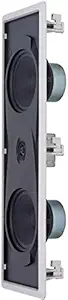
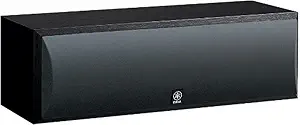
Yamaha boasts an exceptionally broad audio footprint, offering solutions that extend far beyond traditional home theater boundaries. Their consumer catalog spans budget-conscious bookshelf models, weather-resistant outdoor speakers, high-end Hi-Fi studio monitors like the iconic HS series, and architectural custom-install ceiling units. Furthermore, Yamaha excels in comprehensive ecosystem integration, embedding their proprietary MusicCast multi-room streaming technology across network-connected soundbars, wireless smart speakers, and AV receivers. This immense variety caters seamlessly to entry-level listeners, dedicated audiophiles, and commercial venue installers who desire a unified hardware ecosystem from a single manufacturer.
Klipsch focuses more strictly on specialized, high-impact acoustic entertainment, centering its product catalog primarily around consumer home theater, premium Hi-Fi, and active lifestyle audio. The brand is renowned for its Reference and Reference Premiere series, heritage floorstanding cabinets, powered desktop monitors, and outdoor architectural solutions. Klipsch has also established a dominant presence in the lifestyle audio segment with retro-inspired powered speakers like The Fives, Sevens, and Nines, which feature integrated phono preamps and HDMI-ARC connectivity. While Klipsch lacks Yamaha's broader commercial PA and pro-audio recording footprint, its targeted catalog provides a deeper variety of acoustic sizes, horn configurations, and aesthetic variations within dedicated listening environments.
Affordability
Yamaha generally maintains an advantage in entry-level accessibility, presenting a highly competitive pricing structure for budget-conscious consumers. Their standard bookshelf pairs, entry-tier subwoofers, and basic all-in-one soundbars offer competent acoustic engineering at minimal financial friction, making reliable Japanese audio design accessible to students and casual listeners. Even within their mid-tier Hi-Fi and studio monitor lines, Yamaha prices products aggressively relative to their performance specs and reliability metrics, giving them a strong reputation for high value-per-dollar across mainstream audio segments.
Klipsch operates across a tiered pricing strategy that ranges from affordable consumer-grade speaker packs to exorbitantly expensive, artisan-crafted Heritage lines hand-built in Hope, Arkansas. While their base Reference line frequently sees aggressive retail discounting that puts them in direct price competition with Yamaha, stepping up to the acoustically superior Reference Premiere or Heritage lines requires a substantially higher financial investment. However, Klipsch offsets this initial cost hurdle through exceptional acoustic sensitivity, meaning their speakers require far less amplifier wattage to achieve high output, allowing buyers to save money on expensive amplification gear over the long run.
Quality/Durability
Yamaha's manufacturing philosophy centers on industrial precision, robust electronic design, and conservative engineering tolerances. Their speaker enclosures typically utilize dense, low-resonance MDF wrapped in durable vinyl veneers or finished with the high-gloss piano lacquers perfected by their musical instrument division. Internal crossovers, heavy-duty binding posts, and custom-engineered drivers are built for long operational lifespans with negligible component drift. Additionally, Yamaha's pro-audio lineage translates into exceptionally rugged outdoor and commercial installations capable of enduring extreme climate variations and prolonged, high-duty thermal stress without mechanical failure.
Klipsch emphasizes mechanical robustness and premium tactile materials, particularly as consumers move up into their Reference Premiere and Heritage collections. Known for signature spun-copper Cerametallic woofers and cast-aluminum horn assemblies, Klipsch builds components that resist cone flex and minimize thermal distortion under heavy voice-coil loads. Cabinets in higher-tier lines incorporate real wood veneers, heavy bracing, and magnetic woven grilles that offer both aesthetic elegance and physical resilience. While lower-end consumer lines feature standard vinyl wraps comparable to competitors, Klipsch's upper-tier driver assemblies and heavy-duty horn throats exhibit phenomenal longevity that regularly spans decades of continuous playback.
Sound Quality
Yamaha delivers a sound signature prized for its acoustic neutrality, transparency, and clinical balance, heavily influenced by their studio recording pedigree. Their speakers favor an uncolored frequency response, rendering recordings with faithful mid-range clarity, controlled low-frequency extension, and smooth, non-fatiguing treble. This natural, studio-accurate tuning makes Yamaha an outstanding choice for classical, jazz, and vocal-heavy genres where faithful instrument timbre is paramount. However, listeners seeking visceral, room-shaking cinematic impact straight out of the box may occasionally find Yamaha's flat acoustic profile somewhat polite or subdued without supplemental subwoofer reinforcement and equalization.
Klipsch offers a vastly different acoustic identity, characterized by immense dynamic range, visceral immediacy, and signature high-efficiency Tractrix horn-loaded titanium tweeters. This design produces an energetic, forward presentation with lightning-fast transient response, crystalline high-frequency detail, and punchy, articulate bass. The horn loading maximizes efficiency while tightly controlling dispersion, making Klipsch unrivaled for explosive home theater tracks and high-energy rock or modern genres. The trade-off is a distinct acoustic coloration that can lean toward brightness or listener fatigue in poorly treated, acoustically reflective rooms if paired with overly aggressive amplification.