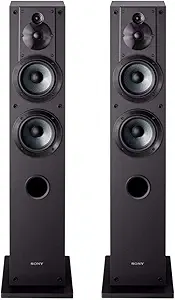
Sony vs Razer: Overview & Brand Philosophy
When evaluating Sony and Razer in the speaker market, consumers are looking at two fundamentally different engineering philosophies and heritage trajectories. Sony is a legacy titan of consumer and professional audio, with roots stretching back decades into recording studios, professional broadcast equipment, and legendary personal audio lines. In the realm of speakers, Sony approaches development through the lens of broad acoustic fidelity, acoustic engineering innovation, and versatile lifestyle integration. From ultra-portable, rugged Bluetooth speakers to high-end architectural home theater and spatial soundbars, Sony's philosophy focuses on balanced acoustic reproduction, wide dynamic range, and seamless connectivity tailored to diverse listening environments.
Conversely, Razer emerged from the competitive gaming arena with a singular objective: delivering hardware optimized for gamers, streamers, and desktop performance. In the speaker space, Razer's philosophy is rooted in near-field spatial awareness, immersive visual-audio ecosystems, and specialized desktop acoustics. Razer does not attempt to compete with Sony across the broader audio spectrum, avoiding outdoor lifestyle boomboxes or multi-room living room hi-fi systems. Instead, Razer designs compact desktop soundbars, multi-driver PC speaker setups, and subwoofers tuned for the immediate, hyper-reactive demands of video game sound engines, positional imaging, and desktop aesthetics dominated by RGB illumination.
Understanding this conceptual divide is critical for buyers. Sony views speakers as acoustic vessels for music, film, and social gatherings across varied spaces, relying on sophisticated DSP (Digital Signal Processing) and proprietary drivers. Razer approaches speakers as mission-critical computing peripherals designed to enhance presence at a workstation, employing low-latency digital inputs, THX Spatial Audio certification, and proprietary software interfaces aimed squarely at interactive media.
Key Differences & Technological Comparison
The structural, acoustic, and technological divergence between Sony and Razer is evident across several core performance metrics:
- Acoustic Tuning & Driver Architecture: Sony places significant research into driver materials and cabinet design. Many of its portable and domestic speakers incorporate non-circular "X-Balanced" speaker units, engineered to maximize diaphragm area and increase sound pressure while reducing distortion. Sony's sound profile leans toward warm, resonant lows with clear midrange projection, complemented by technologies like DSEE (Digital Sound Enhancement Engine), which upscales compressed digital audio files. Razer focuses heavily on directional acoustic projection and near-field immersion. Utilizing custom-tuned full-range drivers, down-firing subwoofers, and passive radiators, Razer’s acoustic profile favors impactful low-end transients (explosions, engine rumbles) and elevated treble peaks to highlight positional cues such as footsteps and weapon reloads.
- Spatialization & Audio Processing: Spatial positioning technology highlights the core difference in use cases. Sony deploys its proprietary 360 Reality Audio and advanced object-based surround algorithms designed for spatial music reproduction and cinematic home theater experiences. In contrast, Razer leans on its acquisition of THX to deliver THX Spatial Audio. This processing engine focuses on virtualized 7.1 surround sound tailored specifically to directional gaming environments, providing clear positional audio cues to a user seated directly in front of the setup.
- Connectivity & Ecosystem Integration: Sony’s connectivity is built around consumer lifestyle versatility. Depending on the tier, Sony speakers support advanced Bluetooth codecs such as LDAC for high-resolution wireless streaming, Wi-Fi connectivity for Apple AirPlay and Spotify Connect, and robust multi-unit linking (Party Connect). Razer prioritizes low-latency PC and console connections. Razer systems typically feature direct USB digital audio inputs, ultra-low-latency Bluetooth profiles, and standard 3.5mm analog connections, controlled via the Razer Synapse software suite to synchronize sound profiles and RGB lighting via Razer Chroma.
- Form Factor & Durability: Sony leads significantly in outdoor durability and environmental resistance. Many of its portable speakers feature IP67 ratings, meaning they are fully dustproof, waterproof, and even saltwater resistant, featuring shockproof housings designed to survive drops. Razer focuses exclusively on interior desktop builds. Their speakers feature sleek, matte-black industrial aesthetics, anodized aluminum grilles, and integrated RGB arrays. They are engineered strictly for climate-controlled indoor environments, lacking any environmental ingress protection.
Pros & Cons Comparison
Sony Speakers
- Pros:
- Exceptional acoustic range featuring balanced frequency response and rich bass performance.
- Superior environmental durability across portable models (high IP67 water, dust, and shock resistance).
- Support for the high-bitrate LDAC codec, enabling superior wireless sound quality.
- Massive product catalog ranging from pocket-sized portables to multi-channel home audio systems.
- Extended battery life on portable units, often reaching up to 24-30 hours of continuous playback.
- Cons:
- Companion software (Sony Music Center) lacks the deep PC-centric equalization and lighting controls of gaming suites.
- No dedicated near-field USB soundbar setups optimized explicitly for compact computer desk environments.
- Higher premium pricing on flagship acoustic models compared to competitors with similar feature sets.
Razer Speakers
- Pros:
- Exceptional near-field positional audio thanks to integrated THX Spatial Audio processing.
- Seamless integration into modern desktop PC setups with direct USB digital connectivity and low latency.
- Industry-leading RGB lighting integration via Razer Chroma RGB for coordinated aesthetic setups.
- Compact form factors (such as the Leviathan series) that fit cleanly underneath computer monitors.
- Strong, punchy low-frequency performance on models paired with dedicated external subwoofers.
- Cons:
- Virtually no outdoor or rugged portable offerings; zero water or dust resistance ratings.
- Tuning is heavily prioritized for gaming soundstages, occasionally sounding harsh or artificially hollow for nuanced acoustic music.
- Heavy reliance on desktop software (Razer Synapse) to access full EQ, spatial, and lighting features.
- Limited utility outside of a fixed desk or workstation configuration.
Performance, Durability & Value Analysis
From a performance and durability standpoint, Sony operates on an entirely different level of physical resilience. Sony's portable speakers—such as the SRS-XB and ULT Field series—are constructed using ruggedized silicone, dense thermoplastics, and custom fabric meshes designed to absorb mechanical shock and resist moisture, dirt, and ultraviolet degradation. In lab and real-world conditions, Sony products reliably demonstrate multi-year lifespans despite harsh outdoor use. In terms of pure acoustic performance, Sony retains lower total harmonic distortion (THD) across a wider frequency range, delivering full-bodied audio whether operating at low indoor volumes or high output levels outside. The trade-off is financial: Sony demands a premium price point, but this cost is substantiated by hardware longevity, advanced battery engineering, and universal connectivity standards.
Razer delivers a distinct, high-efficiency value proposition aimed directly at the desktop PC enthusiast. Because Razer avoids the expensive manufacturing processes required for extreme weatherproofing and massive internal batteries, it directs manufacturing value into digital-to-analog converters (DACs), multi-driver desktop arrays, and low-latency USB sound delivery. Durability for Razer is measured in structural desktop stability, switch longevity, and internal thermal management during continuous operation. While Razer hardware will not survive a drop onto concrete or submersion in water, it provides exceptional desktop value, delivering a powerful multi-speaker or soundbar-and-subwoofer package at a price point often lower than buying comparable desktop monitors plus a dedicated headphone amplifier or gaming DAC.
Final Verdict: Which Brand Should You Choose?
Your choice between Sony and Razer depends entirely on the primary environment where the speakers will operate and the type of media you consume most often.
Choose Sony if: You are looking for a versatile, musically accurate, and physically durable speaker system. If your listening habits include streaming music across various rooms, taking speakers outdoors to patios, beaches, or camping trips, or building a home theater system around high-fidelity cinematic audio, Sony is the clear winner. Sony provides superior acoustic balance, robust battery life, cutting-edge Bluetooth codecs, and environmental protection that Razer simply does not offer.
Choose Razer if: Your speaker needs are centered around a dedicated computer desk, gaming battlestation, or console workstation. If you spend your time playing competitive or narrative-driven video games, watching digital content directly from your PC, and desire immersive near-field audio with deep bass and pinpoint positional accuracy, Razer is purpose-built for you. The combination of clean under-monitor form factors, THX Spatial Audio, dedicated USB inputs, and synchronized RGB lighting makes Razer the superior choice for a desktop media hub.
Product Selection
Sony possesses one of the most expansive and diversified speaker catalogs in the consumer electronics industry, spanning ultra-portable Bluetooth pucks (SRS-XB series), high-output party towers with integrated lighting (SRS-XV line), niche lifestyle curiosities like the Glass Sound Speaker, and reference-grade home theater soundbars and modular systems (HT series). This vast portfolio reflects Sony’s heritage in broad-spectrum acoustic engineering, designing hardware tailored for virtually every audio use case, from rugged IP67-rated travel environments to acoustically mapped living rooms utilizing proprietary technologies like LDAC codecs and 360 Spatial Sound Mapping. In stark contrast, Razer pursues a laser-focused, gaming-centric product strategy. Razer’s speaker selection is almost entirely anchored to the desktop workstation, centered on its Leviathan soundbar family and Nommo monitor series, offering virtually no representation in the traditional portable, outdoor, or whole-home entertainment categories.
The engineering priorities and feature sets across each brand's catalog directly reflect these differing target environments. Razer’s lineup is meticulously optimized for near-field acoustics and competitive gaming immersion. Key technical strengths in Razer’s portfolio include THX Spatial Audio integration, low-latency USB-C audio architecture, subwoofers tuned for visceral low-end rumble during gameplay, and cutting-edge innovations like the AI-driven head-tracking beamforming found in the Leviathan V2 Pro. Furthermore, seamless integration into the Razer Chroma RGB ecosystem makes their speakers an extension of a PC battlestation rather than standalone audio appliances. Conversely, Sony’s breadth allows for distinct engineering approaches per sub-category: X-Balanced speaker diaphragms maximize sound pressure in compact shells, multi-driver arrays deliver non-directional dispersion for social gatherings, and HDMI eARC-equipped home theater units process uncompressed Dolby Atmos and DTS:X signals with advanced room-calibration algorithms.
From a consumer standpoint, the trade-off in product selection boils down to specialized ergonomic optimization versus comprehensive ecosystem versatility. Razer excels if your requirement is strictly confined to a desk, offering some of the finest near-field PC gaming sound systems available, but its catalog offers virtually zero utility for outdoor recreation, multi-room synchronous streaming, or high-end living room home theater setups. Sony represents the superior choice for overall product selection, providing class-leading solutions across nearly every form factor, price tier, and acoustic environment, though it consciously leaves the dedicated, RGB-synchronized desktop gaming niche entirely to specialists like Razer.
Affordability
When assessing affordability in the speaker category, Sony demonstrates a vastly broader pricing spectrum and lower barrier to entry than Razer, primarily due to the sheer diversity of its audio portfolio. Sony spans virtually every consumer bracket, engineering entry-level pocket units like the SRS-XB100 for under fifty dollars, mid-tier party speakers in the SRS-XG series, and flagship multi-thousand-dollar home theater arrays. In contrast, Razer operates almost exclusively within the gaming peripheral and desktop audio ecosystem with its Leviathan soundbars and Nommo desktop speakers. Razer's baseline floor is significantly higher, rarely dipping below the one-hundred-dollar threshold for bare-essential models like the Leviathan V2 X. For consumers with strict budgetary constraints who simply need reliable, portable sound reproduction, Sony provides direct, low-cost entry points that Razer entirely lacks.
Analyzing the engineering quality and technical features relative to cost reveals starkly different approaches to value proposition. Sony focuses its bill of materials on pure acoustic fidelity, mechanical resilience, and versatility. In their entry-to-mid-range offerings, Sony integrates proprietary acoustic developments such as X-Balanced Speaker Units for reduced distortion, high-resolution LDAC codec support, and rugged IP67 water- and dust-resistant housings that maximize physical longevity per dollar spent. Conversely, Razer structures its pricing around gaming-centric software ecosystems and sensory features. Buyers paying for a mid-tier Razer system are funding hardware elements like programmable Razer Chroma RGB lighting zones, THX Spatial Audio licensing, and integrated beamforming desktop arrays. While these features add high experiential value to a dedicated PC battle-station, they inflate the retail cost without inherently improving raw acoustic performance, essentially exacting a "gaming tax" compared to traditional speaker designs.
The practical trade-off between the two brands boils down to functional versatility versus niche specialization within their respective price tiers. At similar price points—such as the $150 to $250 range—Sony offers multi-environment, portable battery-powered speakers that transition seamlessly from personal listening to outdoor gatherings, yielding higher real-world utility per dollar. Razer’s comparable offerings, like the Nommo V2 or Leviathan V2, tie the user to a fixed desk and wall power, offering superior near-field virtualization and seamless PC ecosystem integration, but virtually zero utility outside of that specific context. Ultimately, Sony is the definitive winner in overall affordability, presenting both a more accessible entry price and superior acoustic value-per-dollar across the broader speaker market, leaving Razer as a cost-effective option only for users specifically seeking integrated desktop gaming acoustics.
Quality/Durability
From an engineering and structural perspective, Sony and Razer approach speaker build quality with fundamentally divergent operational environments in mind. Sony leverages decades of legacy acoustic manufacturing, utilizing high-grade, rigid enclosures designed to eliminate unwanted chassis resonance and handle substantial acoustic pressure. Across its portable (SRS and ULT series) and home theater (HT series) lineups, Sony employs reinforced polycarbonate frames, dense silicone bumpers, and specialized fabric meshes that resist abrasion and environmental wear. In contrast, Razer engineers its speaker lineup—predominantly the Nommo and Leviathan desktop series—for static indoor gaming ecosystems. Razer utilizes high-impact ABS plastics, sleek anodized aluminum accents, and custom woven glass-fiber or full-range drivers. While Razer’s construction feels dense, deliberate, and visually refined on a desk, it relies heavily on consumer-grade external plastics that are prone to scuffs and lack the industrial-grade tensile strength inherent to Sony’s cross-category hardware.
When assessing environmental durability and physical resilience, Sony holds a definitive technical advantage. Most of Sony’s portable speakers carry stringent IP66 or IP67 ratings, signifying comprehensive dustproofing, water immersion resistance, and even saltwater protection, backed by internal shock testing to survive accidental drops. Furthermore, Sony integrates advanced battery management systems (BMS) that mitigate thermal degradation over prolonged fast-charging cycles, ensuring the lithium-ion cells maintain high capacity retention over years of active use. Razer’s hardware, by stark contrast, is largely devoid of ingress protection ratings due to its permanent placement in climate-controlled gaming setups. While Razer’s subwoofers and soundbars feature solid downward-firing ports, heavy-gauge desktop stands, and adequate thermal dissipation for extended power draws, they are entirely vulnerable to liquid spills, particulate intrusion, and physical drops, fundamentally limiting their functional lifecycle to non-mobile applications.
Operational longevity and technical reliability further separate the two brands in their software and component integration. Sony’s architecture relies on self-contained, robust onboard digital signal processors (DSPs) and mature firmware, paired with minimal reliance on external software; basic equalization and multi-speaker linking via the Sony Music Center app function reliably without tethering the hardware to frequent desktop OS updates. Razer, conversely, deeply integrates its audio hardware into the proprietary Razer Synapse software ecosystem to handle THX Spatial Audio, complex equalization profiles, and Chroma RGB lighting. This reliance introduces long-term vulnerabilities: driver conflicts, software-update bugs, and potential hardware-software desynchronization can degrade the user experience over time, even if the physical drivers remain intact. Ultimately, buyers seeking battle-tested physical endurance, weather-sealing, and reliable multi-year component lifecycles will find Sony superior, while Razer offers robust desktop-tier construction tailored strictly for stationary indoor performance.
Sound Quality
Sony and Razer approach speaker acoustic engineering from fundamentally divergent philosophies, resulting in distinctly contrasting sound profiles. Sony leverages decades of high-fidelity heritage, implementing advanced digital signal processing (DSP) like DSEE Ultimate alongside proprietary hardware innovations such as X-Balanced Speaker Units and passive dual radiators. This delivers a soundstage characterized by harmonic richness, exceptional dynamic range, and accurate timbral reproduction across diverse genres. In contrast, Razer engineers its desktop speakers and soundbars—most notably the Nommo and Leviathan lineups—with a heavy emphasis on near-field gaming immersion. By integrating THX Spatial Audio and custom-tuned full-range drivers with downward-firing subwoofers, Razer prioritizes transient response, aggressive low-end punch, and pinpoint spatial localization over pristine, flat musical neutrality.
When analyzing frequency performance, Sony consistently excels in midrange transparency and high-frequency refinement. Mid-range frequencies remain articulate and organic, ensuring that vocals and acoustic instrumentation are rendered without the boxiness or masking common in mass-market speakers. Bass response on Sony units, while robust—especially on models featuring EXTRA BASS or MEGA BASS modes—is controlled with tight attack and natural decay characteristics. Razer, conversely, tunes its frequency curve with a pronounced V-shape tailored for cinematic action and competitive gaming. Sub-bass impacts and explosions hit with visceral, room-filling authority, while elevated upper-mid and lower-treble registers help highlight critical in-game audio cues like footsteps and reload sounds. However, this hyper-focused tuning often leads to a recessed mid-band, resulting in a somewhat artificial, hollow vocal presentation and fatigue-inducing treble peaks during extended, critical music listening sessions.
Ultimately, the trade-off between the two brands centers on acoustic versatility versus contextual specialization. Sony offers a superior, audiophile-adjacent listening experience that gracefully handles everything from delicate classical arrangements to modern pop, backed by superior codec support like LDAC for uncompromised wireless transmission. Razer, while lacking the acoustic nuance, micro-detail retrieval, and natural instrument separation of Sony, delivers unmatched positional imaging and visceral low-frequency energy designed specifically for PC gaming battlestations. For consumers demanding balanced fidelity, natural tonality, and cross-genre musicality, Sony is the definitive victor; for users strictly seeking theatrical presence, immersive virtual surround sound, and tactile gaming dynamics at a desktop, Razer holds a compelling, purpose-built advantage.