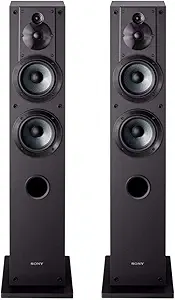
Sony vs Polk Audio: Overview & Brand Philosophy
In the expansive landscape of consumer audio, few rivalries illustrate differing engineering philosophies quite like Sony and Polk Audio. Sony, the Japanese multinational conglomerate, approaches audio through a lens of cutting-edge digital signal processing, lifestyle integration, and technological innovation. From developing foundational audio formats like SACD and LDAC to dominating the modern wireless market, Sony engineers products aimed at the contemporary, hyper-connected listener. Their speaker portfolio ranges from ultra-portable Bluetooth units equipped with party lighting to advanced soundbars and premium spatial audio systems designed for smart homes.
Conversely, Polk Audio was founded in 1972 in Baltimore, Maryland, born directly from the American hi-fi movement. Founded by audio enthusiasts who wanted to deliver concert-hall sound without the exorbitant price tags of traditional boutique audiophile brands, Polk focuses squarely on acoustic engineering, passive speaker design, and physical component quality. While they have embraced digital trends with soundbars and smart subwoofers, Polk’s core identity remains rooted in dedicated home theater setups, architectural installations, and classic stereo listening, prioritizing natural timbre and dynamic dispersion over flashy software perks.
Key Differences & Technological Comparison
The primary divergence between Sony and Polk Audio lies in their technological execution and intended use cases:
- Acoustic Architecture vs. Digital Processing: Polk Audio excels in traditional acoustic engineering. Proprietary innovations like Dynamic Balance technology (which identifies and eliminates driver resonances) and the Power Port bass venting design (which dramatically reduces turbulence and distortion) allow their passive floor-standing and bookshelf speakers to produce balanced, organic sound without synthetic intervention. Sony, by contrast, heavily relies on proprietary digital signal processing (DSP), such as DSEE Ultimate (an AI-driven upscaling engine) and 360 Spatial Sound Mapping, to digitally sculpt acoustic fields and enhance compressed digital music files.
- Connectivity and Portability: Sony is a market leader in portable, rugged, and wireless audio. Their Bluetooth speakers feature IP67 water/dust resistance, LDAC codec support for high-resolution wireless streaming, multi-device party pairing, and integrated battery systems. Polk’s lineup is predominantly stationary; while they manufacture powered subwoofers and soundbars with wireless streaming, their flagship performance rests in tethered, passive loudspeaker systems that require external amplification via an AV receiver or stereo amplifier.
- Sound Signature: Out of the box, Sony speakers generally target the mainstream consumer profile—prominent sub-bass, forward mid-bass punch, and rolled-off highs that accommodate modern pop, hip-hop, and electronic music. Polk leans closer to a neutral, audiophile-grade profile characterized by clear, uncolored midrange reproduction (vital for dialogue and vocals) and smooth high-frequency dispersion courtesy of their Pinnacle ring radiator tweeters.
Pros & Cons Comparison
Sony Speakers
- Pros:
- Exceptional wireless capabilities including high-res LDAC streaming and fast multi-point pairing.
- Class-leading portable and outdoor speaker durability (dust, shock, and waterproofing).
- Advanced spatial audio features and active digital room calibration.
- Comprehensive companion app offering deep EQ personalization and lighting controls.
- Cons:
- Limited options for traditional passive home theater and two-channel stereo enthusiasts.
- Heavy reliance on software processing can lead to a less natural acoustic profile.
- Mid-tier plastic enclosures can exhibit resonance compared to dense MDF wooden speaker cabinets.
Polk Audio Speakers
- Pros:
- Superior acoustic fidelity, transparent midrange, and wide stereo imaging.
- Robust cabinet construction, typically using dense wood composites that reduce unwanted vibration.
- Extensive catalog of passive bookshelf, tower, center, and architectural speakers that integrate into custom home theaters.
- Patented physical bass ports that produce deep, tight low-end without port chuffing.
- Cons:
- Lack of a competitive presence in the portable, battery-powered outdoor Bluetooth category.
- Passive models require additional investment in external receivers, amplifiers, and quality speaker wire.
- Accompanying software and smart features on soundbars are less feature-rich compared to Sony.
Performance, Durability & Value Analysis
From a durability perspective, both manufacturers demonstrate exceptional build quality, albeit in entirely different environments. Sony’s portable units (such as the SRS-XG and ULT series) are virtually indestructible against real-world hazards, featuring resilient rubberized bumpers, non-corrosive mesh grilles, and rigorous ingress protection ratings that survive direct immersion in water. Polk’s durability is evident in the longevity of its furniture-grade cabinetry and driver surrounds. It is not uncommon for Polk passive floor-standing speakers to perform flawlessly for two or three decades, requiring zero software updates, firmware patches, or battery replacements—making them an exceptional investment for permanent home installations.
In terms of pricing and overall consumer value, Polk Audio consistently dominates the mid-range home theater and traditional audiophile segments. Dollar-for-dollar, their Reserve and Signature Elite series deliver component quality, magnet weight, and crossover complexity that outperform similarly priced mainstream units. Sony, meanwhile, offers high value in the convenience, all-in-one segment. When purchasing a Sony soundbar or high-power portable speaker, the consumer receives the drivers, amplifiers, wireless receivers, and calibration microphones in a single, plug-and-play package, minimizing the setup friction associated with multi-component hi-fi systems.
Final Verdict: Which Brand Should You Choose?
Your ideal choice depends entirely on how, where, and what you plan to listen to:
Choose Sony if: You prioritize versatility, mobility, and modern digital features. Sony is the undisputed winner if you need an active, rugged Bluetooth speaker for outdoor use, a compact plug-and-play all-in-one soundbar for a small-to-medium living space, or a system that integrates seamlessly with smartphones and digital streaming platforms via high-resolution codecs like LDAC.
Choose Polk Audio if: You are building a dedicated multi-channel home theater or a high-fidelity two-channel stereo listening room. Polk is ideal for users seeking uncompressed acoustic performance, natural vocal clarity, and the flexibility to mix and match passive components driven by a quality AV receiver. For serious home cinema and pure music listening, Polk offers true hi-fi pedigree that outclasses digital convenience.
Product Selection
When evaluating product selection between Sony and Polk Audio, the two brands showcase fundamentally divergent philosophies rooted in their respective market identities. Sony operates as a diversified consumer electronics titan, resulting in a speaker catalog engineered heavily around digital integration, portability, and lifestyle audio. Their lineup is dominant in Bluetooth-enabled portable speakers—such as the rugged, bass-forward SRS-XG and SRS-XB series—as well as high-volume party speakers featuring integrated LED lighting and karaoke inputs. In the home domain, Sony prioritizes spatial computing and streamlined digital ecosystems, focusing heavily on multi-channel Dolby Atmos soundbars, wireless rear-speaker modular systems, and innovative 360 Reality Audio architectural units. Consequently, Sony’s technical strength lies in DSP (digital signal processing), wireless codec support (notably proprietary LDAC for high-res streaming), and smart-home integration, offering an extensive selection for consumers seeking modern, plug-and-play convenience.
Conversely, Polk Audio maintains a legacy-driven focus on traditional, high-fidelity acoustic engineering, offering a vastly superior breadth of passive, architectural, and component-based loudspeakers. Where Sony emphasizes all-in-one powered systems, Polk’s catalog is structured around dedicated home theater and audiophile listening tiers—spanning the entry-level Monitor XT series to the mid-tier Signature Elite and flagship Reserve and Legend lines. Polk’s engineering pedigree is visible in proprietary acoustic hardware innovations, such as their Power Port bass venting technology, Dynamic Balance driver designs, and Pinnacle ring radiator tweeters. Furthermore, Polk heavily outperforms Sony in custom installation selections, boasting an expansive variety of in-wall, in-ceiling, and all-weather outdoor speakers that cater directly to bespoke home theater integrators and dedicated Hi-Fi enthusiasts requiring matched timber across expansive surround arrays.
The practical trade-offs regarding product selection ultimately hinge on the user's audio infrastructure and listening priorities. Sony presents the ideal catalog for modern, low-footprint environments where wireless synchronization, portability, and advanced DSP are paramount; however, traditionalists will find their component Hi-Fi and passive speaker options virtually non-existent. Polk Audio, by contrast, trades lifestyle gadgetry and standalone portable Bluetooth models for rigorous, acoustic-first versatility, offering the deep granular configurations needed to build an uncompromised multi-speaker soundstage. Audiophiles seeking modular speaker customization, passive amplification pairing, and architectural longevity will find Polk’s selection far more capable, while consumers demanding multi-functional smart capabilities, rugged portability, and turnkey television audio will be better served by Sony’s ecosystem.
Affordability
When assessing affordability in the speaker market, Sony and Polk Audio present two fundamentally different engineering and business philosophies. Sony’s approach to value centers on lifestyle integration, active amplification, and digital feature density. In their entry-level to mid-range offerings—spanning portable Bluetooth speakers to complete Dolby Atmos soundbars—Sony maximizes perceived affordability by bundling proprietary Digital Sound Enhancement Engines (DSEE), app-controlled DSP, long battery life, and high IP-rated weatherproofing into plug-and-play enclosures. Buyers sacrifice some acoustic purity and traditional material quality (often trading wood or dense MDF for molded plastics and composite resins) in exchange for modern conveniences like multi-point connectivity and automated room calibration. Sony represents strong "feature-per-dollar" value for consumers seeking self-contained, low-friction audio solutions without the overhead costs of auxiliary equipment.
Conversely, Polk Audio approaches affordability through the lens of traditional hi-fi acoustic engineering, emphasizing component-level audio quality, passive loudspeaker design, and mechanical longevity. Lines such as the Polk Monitor XT and Signature Elite series deliver exceptional "acoustic-performance-per-dollar" by prioritizing low-resonance MDF cabinetry, proprietary Dynamic Balance driver arrays, and Terylene dome tweeters over active digital circuitry. Because Polk allocates consumer investment into passive acoustic hardware rather than silicon, software licensing, and integrated amplification, buyers achieve a noticeably broader soundstage, superior dynamic headroom, and lower total harmonic distortion (THD) at comparable price points. The financial trade-off lies in the ecosystem: unlocking Polk’s high-value passive speakers requires separate investments in AV receivers or integrated amplifiers, elevating the total cost of ownership compared to an all-in-one Sony product.
Ultimately, determining the more affordable brand hinges on whether a buyer prioritizes the initial transaction cost or long-term system flexibility. Sony wins on upfront financial accessibility; their mass-market scale enables aggressively priced, all-inclusive speakers that eliminate the need for secondary hardware, making them ideal for budget-conscious consumers wanting immediate, feature-rich functionality. Polk Audio, however, offers superior structural durability and modular upgradeability. While a Polk setup demands a higher initial financial commitment when factoring in external amplification, passive speakers do not suffer from planned obsolescence driven by outdated Bluetooth codecs, degrading lithium-ion batteries, or abandoned mobile apps. Consequently, Polk Audio delivers higher long-term fiscal value and better return on investment for dedicated home theater enthusiasts, whereas Sony provides immediate, turnkey affordability for the modern, casual listener.
Quality/Durability
When assessing engineering quality and build durability, Sony and Polk Audio approach the speaker category with distinct design philosophies reflective of their heritage. Sony leverages cutting-edge industrial design, proprietary digital processing, and advanced synthetic materials. In their wireless and smart speaker lines (such as the SRS and ULT series), Sony incorporates high-impact, IP67-rated thermoplastic polymers, shock-absorbent silicone bumpers, and water-repellent rust-proof mesh that excel in demanding outdoor environments. Their active soundbars and premium architectural speakers integrate custom passive radiators and non-circular Mica Reinforced Cellular (MRC) cone woofers that minimize distortion while resisting mechanical fatigue. While Sony's physical manufacturing is exceptionally tight and modern, their long-term durability is heavily tied to internal lithium-ion batteries and active firmware, introducing modern failure points such as battery degradation and software obsolescence over long ownership cycles.
Polk Audio, by contrast, grounds its reputation in traditional high-fidelity acoustic craftsmanship, focusing primarily on passive bookshelf, floor-standing, and architectural home theater systems (such as the Reserve and Signature Elite series). Polk’s structural integrity relies heavily on inert, rigid, Medite medium-density fiberboard (MDF) cabinets engineered with internal bracing to eliminate unwanted resonances. Their mechanical components—such as injection-molded mica-reinforced polypropylene cones, butyl rubber surrounds, and patented Power Port bass venting systems—are engineered to withstand decades of high-volume kinetic stress without dry-rotting or flexing. While Polk also produces active soundbars, their primary engineering strength remains in passive, non-powered acoustics, which inherently boast superior physical longevity and zero risk of software-driven obsolescence compared to Sony's tech-heavy, digital ecosystem.
The practical trade-offs in quality and durability ultimately center on the user's intended environment. Sony delivers superior resilience against moisture, dust, and physical impact, making them the indisputable winner for portable, all-weather durability and high-tech integration. However, Polk Audio offers far superior long-term acoustic longevity and cabinet craftsmanship, utilizing heavy-duty internal crossovers and high-grade 5-way binding posts designed to operate reliably for decades. Consumers prioritizing rugged, grab-and-go weatherproofing will find Sony’s modern enclosures unmatched, whereas audiophiles seeking a permanent home setup built with timeless, fatigue-resistant mechanical components will achieve greater lifetime value from Polk Audio.
Sound Quality
When evaluating sound quality, Sony and Polk Audio approach acoustic engineering from fundamentally divergent philosophies, each tailored to distinct listening environments. Sony focuses heavily on modern, consumer-centric digital signal processing (DSP) and dynamic bass reproduction. Across its portable and party speaker ranges, technologies like EXTRA BASS and the innovative X-Balanced Speaker Units maximize sound pressure while curtailing distortion at high volumes. Sony's acoustic signature leans toward a V-shaped or warm-tilted response, marked by punchy, sub-bass emphasis and sparkling highs that flatter contemporary pop, electronic, and hip-hop genres. Conversely, Polk Audio prioritizes traditional hi-fi acoustic purity and analog driver engineering. Anchored by proprietary innovations such as Dynamic Balance driver technology, Ring Radiator tweeters, and patented Power Port bass venting, Polk speakers deliver a remarkably neutral, balanced soundstage with linear midrange clarity and tight, uncolored low-end response, making them a perennial favorite for critical home theater and stereo listening.
The technical trade-offs between the two brands become apparent when contrasting versatility with analytical detail. Sony leverages its state-of-the-art software ecosystem—highlighted by proprietary LDAC codec support, 360 Reality Audio spatial mapping, and DSEE (Digital Sound Enhancement Engine) upscaling—to artificially restore and enhance compressed audio streams for a richer, more immersive presentation. While this results in an exciting, wide-dispersing, and fatigue-free experience, audiophiles often critique it for lacking true acoustic transparency and natural timbre. Polk Audio, by contrast, minimizes digital intervention, opting for acoustically inert MDF cabinet construction, precision-tuned crossovers, and Pinnacle ring tweeters that minimize internal resonance. This mechanical-first design philosophy yields transparent vocal articulation, crisp transient response, and precise instrument separation that outclasses Sony in pure stereo imaging, though it demands higher-quality source material and amplification to truly shine.
Ultimately, the superior choice in sound quality depends on the listener’s practical use case. Sony excels for casual listeners, outdoor enthusiasts, and bass-forward audio fans who prioritize digital convenience, algorithmic enhancement, and room-filling low-frequency energy over reference accuracy. Polk Audio, on the other hand, is the definitive choice for enthusiasts seeking an authentic, audiophile-grade performance where fidelity to the original master, nuanced midrange resolution, and accurate dynamic range are paramount.