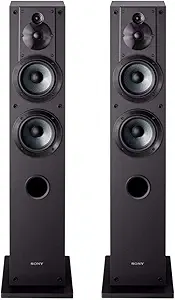

Sony vs Pioneer: Overview & Brand Philosophy
When navigating the audio landscape, few names carry as much historical weight as Sony and Pioneer. Both Japanese engineering giants have spent decades shaping consumer and professional acoustics, yet their core philosophies have diverged significantly in modern speaker manufacturing. Sony has positioned itself as an all-encompassing lifestyle technology juggernaut. Its speaker division emphasizes ubiquitous connectivity, state-of-the-art digital signal processing (DSP), and lifestyle versatility—ranging from compact party-ready Bluetooth units to immersive spatial home theater soundbars.
In contrast, Pioneer leans deeply into traditional hi-fi purism, specialized car acoustics, and high-performance DJ monitoring. Originally founded as an audio repair shop by Nozomu Matsumoto in 1938, Pioneer's legacy is rooted in sound fidelity and acoustic component precision. While Pioneer experienced structural shifts when its home AV division merged under Onkyo (and later acquired by Premium Audio Company), the brand retains its reputation for robust, audiophile-grade engineering, prioritizing physical driver material science over flashy smart features.
For the consumer, this creates a fascinating comparison: Sony attacks the modern market with computational audio, sleek aesthetics, and bleeding-edge user experiences, while Pioneer remains an unyielding champion of analog integrity, precise frequency separation, and high-SPL (Sound Pressure Level) structural durability.
Key Differences & Technological Comparison
The foundational difference between Sony and Pioneer lies in their acoustic tuning and engineering pipelines. Sony leans heavily into computational audio. Proprietary enhancements such as DSEE Ultimate (Digital Sound Enhancement Engine) use artificial intelligence to upscale compressed digital audio files in real time. In the portable and party sector, Sony's X-Balanced Speaker Units abandon traditional circular diaphragms for non-circular designs, maximizing diaphragm area to increase sound pressure and reduce distortion. Additionally, Sony's modern ecosystem thrives on LDAC codec support, which allows high-resolution Bluetooth transmission at up to 990 kbps.
Pioneer takes a purist approach, focusing on electro-acoustic mechanics rather than digital psychoacoustics. Their revered Andrew Jones-designed bookshelf and architectural speakers, along with their professional studio monitors and automotive coaxial speakers, rely on phase-aligned concentric drivers, injection-molded polypropylene (IMPP) cones, and balanced dome tweeters. Pioneer’s sound signature is decidedly flatter and more analytical, offering uncolored midrange response and tight, controlled low-end transience, in stark contrast to Sony's warmer, bass-forward consumer profiles (exemplified by their popular EXTRA BASS and ULT Power Sound lines).
Build and design also highlight distinct target markets. Sony designs for contemporary consumer environments, featuring minimalist curves, weather-resistant fabric covers (rated up to IP67 in their portable range), and multi-room wireless synchronization through the Sony Music Center app. Pioneer emphasizes functional industrial durability. Pioneer’s enclosures typically utilize heavy-gauge MDF (Medium Density Fiberboard) to suppress internal cabinet resonances, heavy heat sinks, and reinforced surrounds suited for rigorous, high-output environments such as DJ booths, custom home theaters, and vehicle installations.
Pros & Cons Comparison
Sony: Advantages
- Advanced DSP & Codec Support: Superior wireless fidelity through LDAC and active AI-driven audio upscaling.
- Lifestyle Versatility: Market leader in water-resistant, portable, and battery-powered speakers with extensive app customization.
- Consumer-Pleasing Soundstage: Warm, energetic low-frequency reproduction ideal for modern pop, hip-hop, and electronic music.
- Ecosystem Integration: Seamless pairing with modern smart TVs, 360 Reality Audio streaming, and multi-device Bluetooth multipoint.
Sony: Disadvantages
- Artificial Coloration: Audiophiles may find Sony's lower-midrange overly boosted, compromising acoustic neutrality.
- Component Level Repairability: Highly integrated digital components make self-repair or third-party servicing difficult.
Pioneer: Advantages
- Acoustic Neutrality: Honest, uncolored sound reproduction with transparent mid-range clarity and articulate imaging.
- Component & Hi-Fi Specialization: Exceptional engineering in traditional bookshelf, studio monitor, and automotive aftermarket categories.
- Physical Durability: Robust cabinet construction and resilient voice coils designed to handle sustained high volume without thermal compression.
- Price-to-Acoustic Performance: Traditional speaker models offer some of the best sonic performance per dollar for dedicated stereo setups.
Pioneer: Disadvantages
- Outdated Smart/Wireless Capabilities: Lacks the sophisticated app ecosystems, multi-room software, and portable Bluetooth options offered by Sony.
- Aesthetic Utility: Designs tend to be utilitarian, bulky, and less aligned with modern interior home decor trends.
Performance, Durability & Value Analysis
When evaluating performance longevity, Pioneer demonstrates exceptional hardware durability. Because Pioneer’s core strength lies in passive speakers and heavy-duty active studio gear, there are fewer complex circuit boards, lithium-ion batteries, or firmware ecosystems prone to obsolescence. A well-maintained pair of Pioneer bookshelf speakers or car component drivers can easily deliver decades of reliable service. In terms of sheer acoustic value, Pioneer frequently outperforms expectations in the entry-to-mid audiophile tier; its passive enclosures extract exceptional detail, imaging, and dynamic range without requiring expensive upstream amplification.
Sony, however, delivers exceptional value in functional versatility and everyday usability. While lithium-ion degradation means portable Sony units have a finite operational lifespan, their structural resistance to environmental hazards (such as sand, salt, and direct water exposure) is top tier. Sony’s continuous firmware updates and broad codec support ensure that their digital products remain relevant across software generations. If your metric of value is how often and where you can enjoy your audio, Sony's adaptability offers a formidable return on investment, whereas Pioneer delivers better value per dollar purely in raw acoustic fidelity and component longevity.
Final Verdict: Which Brand Should You Choose?
Your choice between Sony and Pioneer fundamentally hinges on your use case, listening environment, and sonic preferences:
Choose Sony if: You prioritize portable convenience, outdoor durability, smart connectivity, and modern bass-forward tuning. Sony is the definitive winner for buyers seeking rugged Bluetooth speakers, all-in-one party units, sophisticated soundbars, or dynamic sound that effortlessly fills open living spaces without the need for complex amplifier wiring.
Choose Pioneer if: You are an audio purist, home theater enthusiast, producer, or car audio builder looking for clean, accurate, and uncolored sound reproduction. If you want a traditional stereo bookshelf setup, reliable studio monitoring (such as the Pioneer DJ DM-series), or high-fidelity replacement drivers for your vehicle, Pioneer provides the acoustic accuracy, high-SPL durability, and engineering integrity that serious listeners demand.
Product Selection
Sony’s product selection in the speaker category is defined by massive horizontal breadth and a strategic emphasis on lifestyle, portable, and modern smart-home audio. Leveraging its vast consumer electronics ecosystem, Sony offers everything from compact Bluetooth models (SRS-XB series) and high-SPL outdoor party pillars to cutting-edge Dolby Atmos soundbars and architectural 360 Reality Audio systems. From an engineering and feature perspective, Sony prioritizes proprietary digital signal processing (DSP), advanced Bluetooth codecs like LDAC for high-resolution wireless streaming, and intuitive app-driven multi-room integration. The technical strength of Sony’s catalog lies in its versatility and seamless consumer adoption; however, this consumer-centric focus means audiophiles seeking modular, passive hi-fi component speakers will find Sony’s current selection noticeably limited, as the brand has largely pivoted away from traditional, standalone passive cabinet engineering in favor of active, digitally enhanced sound reinforcement.
In contrast, Pioneer directs its engineering pedigree toward structural audio fidelity, dominating specific segments such as car audio, custom home theater installations, and professional DJ monitoring. While Pioneer does not compete as aggressively in the mainstream battery-powered Bluetooth or smart-speaker arenas, its catalog excels in technical acoustic engineering, as exemplified by its passive bookshelf and floorstanding architectural lines—many of which were historically tuned by renowned acoustic engineers like Andrew Jones. Pioneer's product selection focuses heavily on component-grade drivers, meticulously designed crossovers, and rigid MDF cabinetry engineered for low resonance, offering superior acoustic transparency per dollar for dedicated home theater and stereo setups. Furthermore, Pioneer’s car audio speakers—ranging from budget coaxial units to high-end component splits—offer a depth of vehicle-specific integration that Sony only partially mirrors.
When weighing product selection between the two brands, the trade-off hinges on use-case specificity versus all-around consumer convenience. Sony is the undisputed victor for buyers requiring portable, feature-dense active speakers equipped with water-resistance ratings, party-lighting synchronization, and effortless wireless connectivity. Pioneer, conversely, remains the superior choice for enthusiasts constructing dedicated audio ecosystems who require passive speaker separates, precise crossover management, and specialized automotive sound systems. Ultimately, Sony provides an expansive, future-forward selection for modern on-the-go and connected living spaces, whereas Pioneer delivers targeted, high-fidelity mechanical and acoustic designs tailored for critical listening environments and automotive applications.
Affordability
When assessing affordability in the speaker category, Sony and Pioneer target distinctly different value propositions based on their core engineering strengths and ecosystem designs. Pioneer’s legacy is rooted in high-fidelity acoustic reproduction and professional audio, which historically translated to exceptional performance-per-dollar in traditional home theater and car audio spaces. Pioneer’s passive architectural speakers and budget-friendly bookshelf models deliver robust internal crossover networks, rigid MDF cabinets, and balanced dynamic response without inflating prices for unnecessary consumer-facing digital features. For purists seeking maximum acoustic performance per dollar, Pioneer consistently minimizes superfluous licensing and proprietary technologies, passing these savings directly to the consumer looking to build an entry-to-mid-tier audio setup.
Conversely, Sony defines affordability not just by upfront purchase price, but through feature density, modern versatility, and integrated smart engineering. While Sony's high-end ES architectural lines and flagship spatial audio systems command premium prices, its consumer-grade portable Bluetooth and soundbar lines (such as the SRS and HT series) present substantial value via all-in-one functionality. Sony integrates proprietary DSP technologies like DSEE upscaling, LDAC high-resolution Bluetooth codecs, robust IP-rated environmental weatherproofing, and multi-speaker party-linking capabilities into highly competitive entry-level pricing tiers. Consequently, an affordable Sony speaker often functions as a standalone, multifunctional audio hub, whereas an affordable Pioneer component typically relies on external amplification or pre-existing infrastructure to deliver its full acoustic capability.
Ultimately, the practical trade-offs regarding affordability hinge on how a consumer defines functional utility versus raw acoustic investment. Pioneer remains the pragmatic choice for budget-conscious home theater builders and automotive enthusiasts who prioritize physical acoustic engineering—such as driver efficiency, cabinet resonance suppression, and crossover tuning—yielding long-term component durability that outlasts rapidly shifting wireless protocols. Sony, however, wins on turn-key consumer value; their products mitigate the hidden costs of auxiliary cables, external receivers, and independent amplifiers by packing smart connectivity and adaptive acoustic tuning into accessible, highly finished packages that are ready to perform out of the box.
Quality/Durability
When evaluating engineering quality and material durability, Sony and Pioneer reflect distinct manufacturing philosophies rooted in their respective core audio segments. Sony approaches speaker build quality through a lens of modern, multi-environmental resilience, utilizing advanced composites, reinforced ABS polymers, and heavy-duty silicone dampeners. This engineering standard is especially prominent in their wireless and portable ecosystems, where models like the SRS-XG series boast robust IP67 and IP66 ratings, ensuring complete dust-tightness and water submersion resistance alongside shock-resistant endcaps. In contrast, Pioneer leverages a long-standing legacy of traditional acoustic engineering, often prioritizing rigid MDF (Medium-Density Fiberboard) enclosures with high-grade internal bracing in their home theater and bookshelf lines (such as the famed SP-BS22-LR engineered by Andrew Jones). In the automotive and DJ monitor sectors—where Pioneer holds massive market share—their engineering emphasizes thermal tolerance and structural rigidity, utilizing Injection-Molded Polypropylene (IMPP) cones, heavy-duty voice coils, and stamped metal baskets built to withstand immense acoustic pressure and prolonged vibration without fatigue.
The practical trade-offs between the two brands surface in how their technical strengths fare over extended lifecycles. Sony’s cutting-edge integration of passive radiator suspensions, proprietary mica-reinforced cellular (MRC) driver cones, and chemically treated grill fabrics ensures supreme longevity against external elements and mechanical distortion at high excursions. However, the heavy reliance on sophisticated software, digital signal processing (DSP), and sealed lithium-ion power cells introduces digital and battery-degradation bottlenecks, limiting the non-serviceable lifespan of their portable gear compared to passive designs. Pioneer, on the other hand, embraces mechanical purism where physical component degradation is exceptionally slow. Their crossovers, butyl rubber surrounds, and ferrite magnet structures are virtually bulletproof under typical analog home conditions, yet their outdoor and entry-level cabinets are notably vulnerable to humidity, edge peeling, and physical impacts compared to Sony’s ruggedized chassis.
Ultimately, the choice between Sony and Pioneer regarding quality and durability hinges on the intended operating environment. Sony holds a definitive technical advantage for consumers seeking rugged, ingress-protected, and all-weather audio gear engineered to survive the rigors of travel, poolside exposure, and physical drops without sacrificing sound fidelity. Conversely, Pioneer reigns supreme for stationary acoustic environments, automotive installations, and pro-audio workstations where heavy analog componentry, structural inertia, heat dissipation, and long-term mechanical reliability are the defining criteria of build quality.
Sound Quality
When evaluating sound quality, Sony and Pioneer reflect distinct engineering philosophies tailored to different acoustic preferences and listening environments. Sony focuses heavily on contemporary sound profiling, marked by proprietary digital signal processing (DSP) and an assertive, consumer-friendly low-end response. Across its consumer and portable lineups, Sony utilizes technologies like EXTRA BASS, LDAC high-resolution Bluetooth codecs, and DSEE (Digital Sound Enhancement Engine), which actively restores high-frequency details lost in digital compression. The resulting acoustic signature features punchy, deep bass and rich mid-tones that excel with modern pop, electronic, and hip-hop tracks. In its higher-end ES architectural lines and premium soundbars, Sony leverages advanced spatial sound mapping to create immersive soundstages, though purists occasionally note that heavy digital coloration can slightly mask natural instrumental textures.
Conversely, Pioneer leans into traditional acoustic fidelity, grounded in decades of home theater and professional audio engineering. Pioneered by legendary acoustic designers—most notably Andrew Jones in their classic bookshelf and floor-standing speaker series—Pioneer prioritizes linear frequency response, phase alignment, and vocal neutrality. Their passive speakers and high-performance car audio drivers often utilize concentric driver arrays, soft-dome tweeters, and structured composite woofers to deliver exceptional stereo imaging and transparent mid-ranges. While Pioneer's portable footprint is far less pronounced than Sony's, their component speakers avoid aggressive bass boosting in favor of transient accuracy and detailed high frequencies, making them particularly adept at reproducing acoustic, classical, and rock music with authentic instrument separation.
The practical trade-offs between the two brands ultimately center on coloration versus neutrality. Sony is the superior choice for listeners who prefer an energetic, bass-forward sound signature backed by sophisticated digital sound-shaping features and versatile wireless connectivity. However, this relies heavily on active software enhancement, which can sometimes produce a synthetic acoustic profile. Pioneer represents the acoustic purist's preference, offering flat, distortion-free sound reproduction and realistic soundstaging at the expense of automated low-end punch. Buyers prioritizing lively, digitally optimized performance will lean toward Sony, whereas those seeking uncolored harmonic accuracy and traditional hi-fi dynamics will find Pioneer's acoustic engineering far more rewarding.