Polk Audio vs JBL: Overview & Brand Philosophy
In the vast landscape of consumer and audiophile-grade audio, few names carry as much heritage and market presence as Polk Audio and JBL. Founded in 1972 by Matthew Polk, George Klopfer, and Sandy Gross, Polk Audio was born from a desire to bring true high-fidelity sound into the average household without an astronomical price tag. Based in Baltimore, Maryland, Polk built its reputation on the concept of "The Real American Hi-Fi," prioritizing natural midrange reproduction, articulate imaging, and warm acoustic balance. Today, as a key asset under Sound United (Masimo Consumer), Polk maintains its traditional focus on home theater systems, architectural audio, and passive high-performance loudspeakers that cater to discerning listeners who value understated industrial design and acoustic precision.
Conversely, JBL (James B. Lansing Sound) boasts an origin story deeply intertwined with the dawn of professional cinema sound, tracing its roots back to 1946. Operating under the Harman International umbrella (a subsidiary of Samsung Electronics), JBL approaches audio engineering from a high-energy, dynamic perspective. Where Polk emphasizes domestic refinement, JBL bridges the gap between stadium-level concert sound reinforcement and everyday consumer convenience. JBL’s acoustic signature is widely recognized for its punchy low-frequency performance, high sensitivity, and rugged engineering, spanning everything from chart-topping portable Bluetooth speakers and high-output soundbars to historic, retro-style passive studio monitors.
Understanding these distinct brand philosophies is essential when choosing between them. Polk operates fundamentally as an acoustic specialist for home environments, meticulously tuning cabinets and driver arrays to eliminate cabinet resonance and ear fatigue. JBL operates as an acoustic powerhouse that leverages professional studio heritage, proprietary DSP (Digital Signal Processing), and horn-loaded transducers to deliver thrilling, assertive, and highly durable audio solutions across both lifestyle and traditional hi-fi categories.
Key Differences & Technological Comparison
When analyzing the technological architectures of Polk Audio and JBL, the engineering divergence becomes immediately apparent in how both brands tackle driver design, dispersion characteristics, and modern consumer features.
Acoustic Transducers and High-Frequency Tuning: Polk Audio heavily relies on its patented Dynamic Balance technology, a laser-imaging testing methodology that enables engineers to design composite driver cones without parasitic resonance modes. For higher registers, Polk frequently uses soft-dome tweeters—such as the Pinnacle Ring Radiator found in their premium Reserve and Legend lines—which provide an ultra-wide sweet spot, silky highs, and fatigue-free listening. JBL, on the other hand, frequently utilizes compression drivers mated to proprietary High-Definition Imaging (HDI) horns or Bi-Radial waveguides. This horn-loaded topology results in dramatically higher acoustic efficiency, pinpoint directivity, and a distinctly "live" sound capable of extreme dynamic swings without distortion.
Bass Management and Port Architecture: Low-frequency reproduction reveals another stark technical contrast. Polk frequently implements its patented Power Port technology, an aerodynamic cone positioned at the mouth of the bass reflex port that smooths airflow, systematically eliminating port "chuffing" and reducing velocity loss to provide tight, musical bass. JBL focuses heavily on raw driver displacement and maximum SPL output. In passive designs, JBL deploys massive cast-frame woofers; in their digital and portable offerings, they utilize custom passive radiators coupled with sophisticated dynamic equalization to extract maximum mid-bass punch from compact enclosures.
Ecosystem and Feature Integration: In terms of modern versatility, JBL maintains a decisive advantage in active, smart, and portable sound solutions. Their line of IP67-rated portable speakers, multi-channel soundbars with detachable wireless surround modules, and PartyBox systems feature comprehensive app integration, custom EQ mapping, and robust wireless daisy-chaining (Auracast and PartyBoost). Polk does offer powered soundbars with their proprietary VoiceAdjust technology (which isolates and elevates dialog channels), but the core of their engineering bandwidth remains dedicated to the passive home theater and two-channel stereo experience.
Pros & Cons Comparison
Polk Audio Pros
- Natural, Balanced Acoustic Signature: Excels in midrange clarity and vocal articulation, minimizing listener fatigue over extended sessions.
- Advanced Cabinet and Port Engineering: Power Port and Dynamic Balance technologies ensure clean, non-resonant bass and smooth high-frequency dispersion.
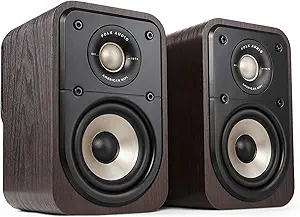
- Outstanding Value in Passive Audio: High-performance passive speaker lines (such as the Monitor XT, Signature Elite, and Reserve series) offer exceptional performance per dollar.
- Dedicated Dialog Enhancement: Proprietary VoiceAdjust technology on Polk soundbars provides class-leading vocal clarity for TV and film.
Polk Audio Cons
- Limited Lifestyle & Portable Presence: Few competitive offerings in the rugged, waterproof, or battery-powered Bluetooth speaker market.
- Subdued Dynamics for Bass Enthusiasts: Bass is tuned for accuracy rather than aggressive slam, which may underwhelm listeners seeking club-level energy.
- Conservative Aesthetics: Many lines feature traditional boxy designs that lack the modern visual appeal of contemporary lifestyle audio gear.
JBL Pros
- Class-Leading Dynamic Range & Output: Horn-loaded drivers and high-efficiency systems deliver unmatched volume, slam, and dynamic headroom with minimal distortion.
- Industry-Dominant Portable Lineup: Exceptional range of ultra-durable, waterproof (IP67) portable Bluetooth speakers with long battery life.
- Innovative Soundbar Architectures: High-end soundbar systems featuring truly wireless, battery-powered rear surrounds provide true spatial audio without room clutter.
- Punchy, Engaging Sound Signature: Tuned intentionally to deliver thrilling, energetic bass that excels across modern pop, electronic, and hip-hop genres.
JBL Cons
- Potential High-Frequency Harshness: Horn-loaded tweeters and aggressive factory tunings can sometimes sound overly bright or fatiguing in untreated rooms.
- Midrange Recession: Certain consumer-grade models emphasize a "V-shaped" sound profile (boosted bass and treble), occasionally masking nuanced midrange details.
- Premium Pricing on Vintage/Audiophile Tiers: JBL's high-end passive retro monitors (Classic and Studio series) command significant price premiums compared to equivalent Polk models.
Performance, Durability & Value Analysis
From a longevity and build quality perspective, both brands exhibit high engineering standards, but they apply them in different arenas. JBL has mastered the art of physical resilience within its consumer and outdoor lines. Their portable Bluetooth speakers feature ruggedized rubberized end-caps, impact-resistant housings, and industrial-grade woven fabrics capable of withstanding dust immersion, heavy water jets, and rough outdoor handling. In the passive studio realm, JBL's heavy MDF cabinets and cast-aluminum driver frames represent true heirloom-tier construction. In contrast, Polk Audio excels primarily in structural integrity for domestic installations. Their wooden and engineered MDF enclosures feature robust internal bracing designed specifically to mitigate standing waves. Polk's drivers are recognized for their long-lasting butyl rubber surrounds that resist dry rot and environmental degradation over decades of use, ensuring passive setups retain their original acoustic properties indefinitely.
When assessing value, consumer purchase intent dictates the winner. For home theater builders and stereo enthusiasts working within realistic budgets, Polk Audio represents one of the strongest value propositions in modern hi-fi. Lines like the Signature Elite or the Reserve series punch far above their weight class, often delivering acoustic imaging and low-distortion metrics that rival boutique brands costing twice as much. However, if your spending is directed toward versatile digital living—soundbars with multi-room flexibility, party audio, or go-anywhere outdoor durability—JBL's superior software support, digital amplification efficiency, and feature density easily justify their pricing, delivering unmatched performance utility per dollar spent.
Final Verdict: Which Brand Should You Choose?
Choosing between Polk Audio and JBL ultimately comes down to your primary listening environment, favorite genres, and performance expectations.
Choose Polk Audio if:
- You are assembling a dedicated multi-channel home theater or a high-fidelity two-channel stereo system in an indoor living space.
- Your listening preferences lean toward acoustic, jazz, classical, classic rock, or dialogue-heavy film soundtracks where vocal clarity and tonal naturalism take precedence.
- You want reference-level acoustic performance and high-grade cabinet construction without paying esoteric audiophile premiums.
Choose JBL if:
- You require high-energy, high-impact sound capable of filling large spaces, outdoor patios, or lively gatherings with deep, articulate bass.
- You are seeking top-tier portable Bluetooth speakers, rugged waterproof designs, or versatile soundbars with detachable wireless components.
- You prefer an energetic, live-concert sound signature characterized by sharp dynamics, immediate transients, and authoritative punch.
Product Selection
When evaluating product selection, Polk Audio and JBL approach the speaker market with divergent philosophies, reflecting their respective engineering heritages. Polk Audio concentrates heavily on home audio, offering a deeply specialized and hierarchical portfolio designed for critical stereo listening and immersive home theater environments. Their catalog is thoughtfully segmented from accessible, high-value entry points like the Monitor XT series up to audiophile-grade offerings such as the Reserve and flagship Legend series, which feature proprietary technologies like the Pinnacle ring radiator tweeter and Power Port bass venting. Outside of traditional floorstanding, bookshelf, and architectural (in-wall/in-ceiling) speakers, Polk’s selection narrows significantly, maintaining only a modest footprint in soundbars and outdoor passive fixtures, and effectively conceding the portable lifestyle segment to focus on acoustic fidelity in residential spaces.
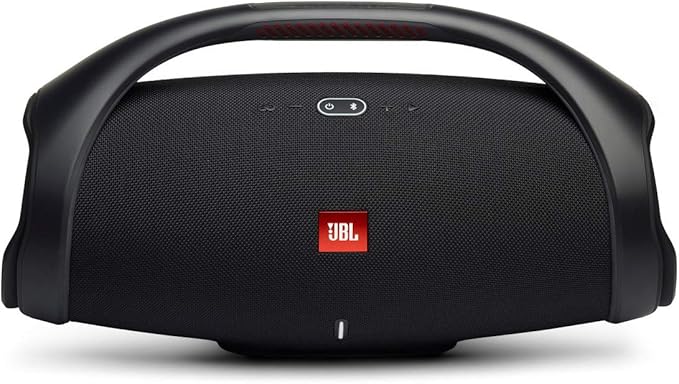
In contrast, JBL leverages the massive industrial scale of its parent company, Harman International, to provide an exponentially broader and more diverse product ecosystem. JBL’s portfolio dominates consumer portable audio with its ubiquitous Clip, Flip, Charge, and Boombox Bluetooth lines, while simultaneously capturing the entertainment market with high-output PartyBoxes and technologically advanced Dolby Atmos soundbars featuring detachable wireless surround speakers. Simultaneously, JBL maintains an elite presence in premium hi-fi through its Synthesis and Classic studio monitor lines, boasting professional-grade compression drivers and bi-radial horns derived directly from their legendary concert sound systems. This engineering flexibility allows JBL to serve casual beachgoers, prosumer studio engineers, and ultra-high-end audiophiles under a single brand umbrella.
The practical trade-off between the two brands centers on depth of residential integration versus lifestyle versatility. Polk Audio provides a superior, more cohesive selection for consumers building a dedicated, timber-matched multi-channel surround system on a predictable budget, as their component lines offer granular options for center channels, height modules, and subwoofers engineered to voice-match perfectly. JBL, while offering unmatched horizontal breadth across smart speakers, marine audio, portable battery-powered units, and legacy horn architectures, presents a more fragmented product catalog that can overwhelm buyers seeking a simple, unified home theater pathway. Ultimately, Polk is the specialist for dedicated home living spaces, whereas JBL is a consumer-to-professional audio titan capable of outfitting virtually any listening scenario.
Affordability
When evaluating affordability between Polk Audio and JBL, the distinction lies largely in how each brand defines value across different acoustic applications. Polk Audio focuses heavily on the residential home theater and stereo market, engineering high-fidelity passive and active speakers that significantly undercut the boutique competition. Through proprietary technologies like Dynamic Balance drivers and Power Port bass venting, Polk delivers audiophile-leaning sound signatures at exceptionally approachable price points. Entry-to-mid tiers, such as the Monitor XT and Signature Elite lines, offer outstanding component quality, rigid MDF cabinets, and balanced frequency responses without the customary premium attached to traditional acoustic engineering. The practical trade-off with Polk’s budget-friendly catalog is aesthetic austerity and minimal advanced wireless functionality in their passive offerings; you are paying primarily for acoustic materials, driver crossover networks, and cabinet physics rather than cutting-edge digital integration.
Conversely, JBL approaches affordability through unmatched vertical integration, massive manufacturing economies of scale, and dominance in the lifestyle and active speaker categories. While JBL does produce high-end architectural and studio monitors, its most visible value propositions are found in rugged, feature-dense portable Bluetooth speakers (such as the Flip and Charge series) and budget-friendly party sound systems. In these segments, JBL maximizes consumer investment by baking active amplification, digital signal processing (DSP), long-lasting battery systems, and robust IP67 waterproofing directly into the enclosure. The engineering trade-off for this high-density feature set is a sculpted, bass-boosted sound profile that prioritizes energy and durability over the neutral, natural acoustic fidelity that Polk achieves within similar cost brackets.
From an analytical cost-to-performance perspective, Polk Audio provides superior long-term acoustic value for consumers seeking a modular, scalable home audio experience where every dollar funds pure sound reproduction and component longevity. However, for users demanding turnkey, all-in-one solutions, JBL offers far greater practical utility per dollar. While Polk eliminates the need to pay for high-end boutique brand tax in multi-channel setups, JBL eliminates the cost of external amplification, DACs, and ruggedized accessories in portable listening. Ultimately, the more "affordable" option hinges on whether your capital is best spent on Polk’s stationary acoustic fidelity or JBL’s self-contained, versatile durability.
Quality/Durability
When assessing engineering quality and durability, Polk Audio and JBL approach the speaker category with distinct philosophical frameworks. Polk Audio primarily focuses on home audio integrity, utilizing high-density MDF cabinetry, resonance-damping braces, and proprietary dynamic balance drivers designed to resist internal thermal fatigue and cone distortion over decades of indoor use. Their structural execution excels in acoustic isolation; furniture-grade veneers and heavy-duty binding posts exemplify a component built for stationary longevity. In contrast, JBL spans a broader engineering spectrum, commanding immense authority in high-stress, portable, and professional sound reinforcement. JBL leverages ruggedized polymers, marine-grade rubberized bumpers, and internally reinforced cast-aluminum frames. On a driver level, JBL integrates advanced heat-dissipation architectures like their patented Symmetrical Field Geometry (SFG) and high-excursion transducers that endure continuous high-SPL demands far beyond standard living-room listening levels.
In terms of practical durability and environmental resistance, the divergence between the two brands becomes even sharper. JBL dominates the outdoor and active lifestyle sectors with industry-leading ingress protection ratings, such as IP67 on lines like the Charge, Xtreme, and Boombox, rendering them entirely dustproof and submersible. Even their indoor and party speakers (such as the PartyBox series) incorporate heavy-gauge steel grilles and splash-resistant top interfaces capable of withstanding rough handling and minor liquid spills. Polk does produce capable outdoor lines, such as the Atrium series, which exceed standard military weathering specs using mineral-filled polypropylene cones and rustproof aluminum brackets. However, Polk’s wider portfolio lacks the plug-and-play drop resistance and waterproof sealing pervasive in JBL’s ecosystem, maintaining a technical preference for stationary acoustic purity over physical abuse tolerance.
Ultimately, the trade-off in quality and durability hinges on the intended operating environment. Polk Audio delivers superior long-term acoustic stability for the dedicated home theater and critical listening space; their voice coils and passive crossovers are over-engineered to provide linear performance for generations without degrading sound fidelity, provided they remain undisturbed. Conversely, JBL represents the benchmark for physical resilience and stress-tested mechanical construction. Consumers prioritizing immovable acoustic craftsmanship and cabinet inertness will find superior longevity in Polk, whereas those requiring heavy-duty shock absorption, environmental waterproofing, and driver resilience under aggressive real-world abuse will be better served by JBL's heavy-duty engineering.
Sound Quality
When evaluating sound quality, Polk Audio and JBL approach acoustic engineering from distinctly different philosophical standpoints, directly impacting their tonal characteristics and performance strengths. Polk Audio generally targets a balanced, warm, and natural acoustic profile, making it a favorite for critical home theater listeners and audiophiles on a budget. Leveraging proprietary technologies like Dynamic Balance drivers and the Power Port bass venting system, Polk speakers excel in vocal clarity, smooth midrange performance, and controlled, distortion-free low-end transitions. Their high frequencies, typically driven by Terylene or ring radiator tweeters, offer smooth extension without causing listener fatigue. In contrast, JBL draws heavily from its professional studio monitor and concert sound heritage, engineering speakers that emphasize high dynamics, assertive energy, and deep, punchy bass. Using their signature compression drivers mounted in High-Definition Imaging (HDI) waveguides, JBL speakers deliver exceptionally wide dispersion, crisp imaging, and pinpoint treble accuracy that can easily fill large spaces.
The practical trade-offs between the two brands largely depend on the listening environment and preferred media. Polk Audio is exceptionally well-suited for dialogue-heavy cinematic content, acoustic tracks, and jazz, where subtle texture, midrange authenticity, and timbre accuracy take precedence over sheer volume. However, listeners seeking thunderous impact straight out of the box may find entry-to-mid-tier Polk speakers somewhat polite or restrained in their bass delivery. JBL, on the other hand, dominates in raw output, transient attack, and low-frequency authority, making it superior for modern electronic, rock, and hip-hop genres, as well as expansive open-concept living rooms. The trade-off with JBL’s energetic and forward "West Coast" sound profile is that it can occasionally border on bright or aggressive during extended listening sessions, particularly in untreated, reflective rooms. Ultimately, Polk Audio delivers a refined, musical listening experience prioritizing neutrality and comfort, while JBL excels at high-energy, dynamic realism and robust acoustic output.
Compare current retail pricing, active promotions, and verified stock availability directly from authorized stores: