JBL vs Harman Kardon: Overview
Comparing JBL and Harman Kardon helps you determine which brand is best suited for your needs in Speakers. Both brands offer strong choices depending on your budget and key feature requirements.
Key Features & Comparison
Evaluate factors such as build quality, warranty, customer satisfaction, and total value before making your final purchase choice between JBL and Harman Kardon.
Product Selection
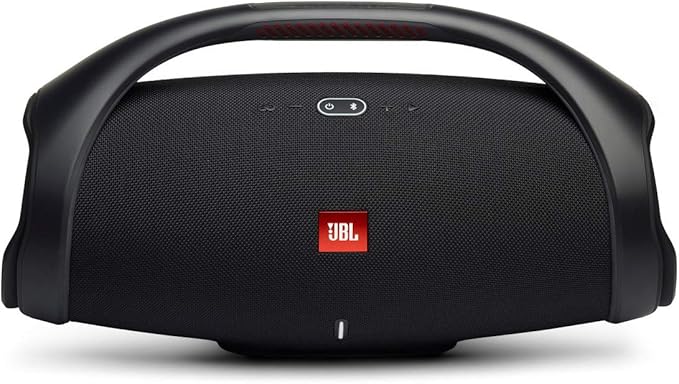
JBL offers one of the most comprehensive and diverse speaker catalogs in the consumer audio industry. Their portfolio spans everything from ultra-compact clip-on Bluetooth speakers like the JBL Go and Clip series to rugged outdoor units like the Charge and Xtreme, massive party speakers with built-in light shows (the PartyBox line), soundbars, and professional PA systems. This extensive variety ensures that JBL has a purpose-built acoustic solution for virtually every consumer use case, lifestyle scenario, and venue size, with a strong focus on portability, water-resistance, and dynamic entertainment features.
In contrast, Harman Kardon maintains a more curated, boutique lineup predominantly tailored for high-end home environments and interior spaces. Rather than catering to mobile or outdoor utility, their product selection emphasizes architectural elegance and tabletop luxury, featuring iconic designs such as the transparent SoundSticks, the sculptural Aura Studio series, and the Onyx Studio range. While Harman Kardon offers select premium portable units with integrated handles, their catalog lacks the ruggedized, adventure-ready options, waterproof form factors, and high-output commercial sound systems that define JBL's expansive footprint.
Affordability
JBL establishes a distinct competitive advantage in affordability and accessible price-to-performance scaling. With entry-level micro-speakers starting well under fifty dollars, JBL provides a low financial barrier to entry without sacrificing functional durability or baseline acoustic competency. Even within their mid-tier and premium portable tiers, competitive pricing structures and frequent promotional discounting make JBL an appealing choice for students, outdoor enthusiasts, and budget-conscious consumers seeking maximum output and utility per dollar spent.
Harman Kardon positions itself squarely within the premium lifestyle audio segment, commanding higher retail price points that reflect its luxury design aesthetic and refined material integration. While the Onyx Studio series frequently sees carrier promotions and secondary market value, Harman Kardon generally avoids the sub-hundred-dollar space altogether. Consumers pay a premium for acoustic elegance, sophisticated industrial design, and premium interior styling, representing a deliberate investment in home aesthetics rather than raw, utilitarian value.
Quality/Durability
When evaluated through the lens of physical durability and environmental resistance, JBL is fundamentally engineered to endure demanding, real-world punishment. Most JBL portable speakers boast robust IP67 dustproof and waterproof certifications, wrapped in heavy-duty acoustic fabric grilles and reinforced with rugged rubberized end-caps that absorb drops and mechanical shocks. This focus on physical resilience makes JBL hardware virtually impervious to poolside splashes, beach sand, rain, and outdoor abrasions, yielding exceptional operational longevity in mobile settings.
Harman Kardon approaches quality from a perspective of high-end industrial craftsmanship, luxury tactile finishes, and sophisticated home integration. Their products incorporate premium metals, bespoke woven fabrics, and custom-tinted acrylic enclosures that look striking in residential living spaces. However, this aesthetic sophistication comes at the cost of field durability; Harman Kardon speakers typically offer little to no formal water or dust resistance ratings, and their polished surfaces and exposed acoustic domes are far more prone to scratches, scuffs, and impact damage if subjected to rigorous travel.
Sound Quality
JBL’s acoustic tuning is characterized by an energetic, assertive, and consumer-friendly sound profile, often centered around punchy, visceral low-end performance and articulate highs. Utilizing custom-engineered passive bass radiators alongside efficient transducer arrays, JBL speakers deliver powerful low-frequency extension that excels in noisy open-air settings and high-energy party environments. While this vibrant 'JBL Signature Sound' is engaging and capable of high volume levels with minimal distortion, critical listeners may find the mid-range occasionally recessed beneath the dominant bass shelf.
Harman Kardon prioritizes acoustic neutrality, sonic refinement, and a broader, more three-dimensional soundstage engineered for critical indoor listening. Their acoustic designs typically leverage dedicated multi-driver arrays—incorporating high-definition silk-dome tweeters, discrete mid-range drivers, and large, downward-firing active subwoofers. This configuration produces exceptional vocal clarity, rich instrument separation, and controlled, non-fatiguing bass response. While Harman Kardon units lack the aggressive, outdoor-cutting projection of JBL, they deliver a noticeably more balanced, hi-fi listening experience across acoustic, classical, and jazz genres.