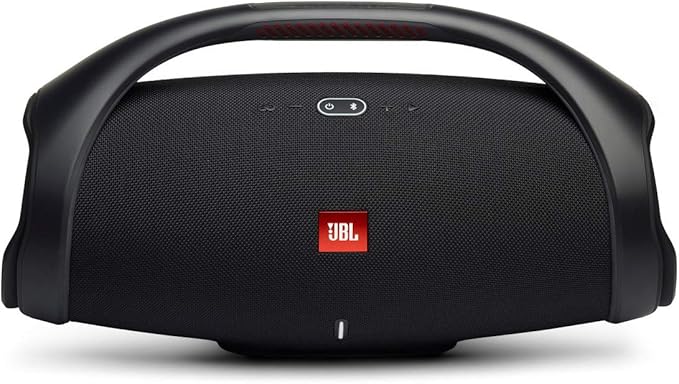
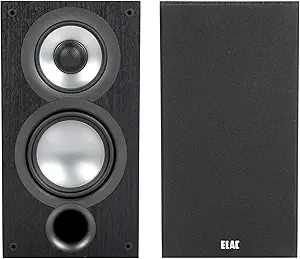
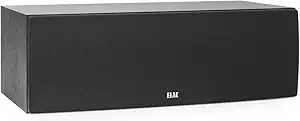
JBL vs Elac: Overview & Brand Philosophy
In the loudspeaker industry, few names carry the historical weight of JBL and Elac. JBL, founded in 1946 by James Bullough Lansing, is an American audio titan rooted in professional sound reinforcement, cinema installations, and studio monitoring. As part of the Harman International umbrella (a subsidiary of Samsung Electronics), JBL merges massive industrial R&D with a populist design ethos. The brand has mastered a bifurcated identity: delivering massive, party-centric, rugged consumer audio on one end, while sustaining an elite tier of compression-driver, horn-loaded reference monitors through its Synthesis and Studio lines. The core JBL philosophy revolves around high sensitivity, wide dynamic range, and palpable physical energy.
Conversely, Elac (Electroacustic GmbH) traces its lineage to 1926 in Kiel, Germany, starting in underwater acoustics before becoming a premier manufacturer of turntables and high-fidelity loudspeakers. Elac's modern renaissance, catalyzed in significant part by legendary audio engineer Andrew Jones, repositioned the brand as a giant-killer in the budget and mid-tier audiophile spaces. The German marque emphasizes precision acoustic engineering, custom-designed drivers, and transparent, uncolored reproduction. Unlike JBL's sprawling lifestyle presence, Elac concentrates primarily on home theater and stereo hi-fi installations, prioritizing phase coherence, micro-detail, and spatial imaging over raw acoustic output.
While JBL approaches sound from the perspective of live-event energy, visceral bass response, and broad accessibility, Elac targets the discerning listener who seeks classical high-fidelity principles at an accessible price point. Choosing between them is not merely a brand selection; it is a choice between two foundational philosophies of acoustic reproduction.
Key Differences & Technological Comparison
The engineering divergent paths between JBL and Elac become immediately apparent when examining driver technology, cabinet architecture, and signal processing across their respective lineups.
Acoustic Transducers and High-Frequency Execution: JBL is celebrated for its proprietary High-Definition Imaging (HDI) horn geometry paired with compression drivers (often utilizing Teonex or titanium diaphragms) in its audiophile tiers, and rigid aluminum-dome tweeters in its accessible lines. This design provides controlled directivity, ultra-low distortion at high sound pressure levels (SPL), and exceptional transient response. In contrast, Elac famously champions folded-motion ribbon designs, specifically their refined JET 5 and JET 6 air-motion transformers (AMT), alongside custom-engineered silk-dome tweeters with deep spheroidal waveguides. Elac's transducers yield extraordinary high-frequency extension and lower listener fatigue, emphasizing micro-textural nuance rather than high-SPL projection.
Midrange, Woofer Materials, and Crossover Topologies: Elac frequently deploys aramid-fiber, aluminum, or crystal-membrane woven cones, which offer a superior stiffness-to-weight ratio designed to push cone breakup modes well outside the operating passband. Their multi-element crossovers are engineered with complex slopes to maintain linear phase across driver transition points. JBL predominantly employs PolyPlas (polymer-coated cellulose) or advanced aluminum-matrix cones. JBL woofers rely on heavy-duty motor structures and Symmetrical Field Geometry (SFG) to deliver punchy, fast, and high-impact low-frequency response that easily fills larger room volumes.
Product Portfolio and Amplification Integration: JBL offers comprehensive market coverage, from IP67-rated portable Bluetooth speakers to fully active studio monitors and passive floorstanders. Many consumer-grade JBL speakers rely heavily on internal digital signal processing (DSP) to sculpt dynamic equalization, producing immense bass even from compact enclosures. Elac focuses primarily on passive stereo and home theater configurations (such as the Debut, Uni-Fi, and Carina series), supplemented by high-end integrated active streaming speakers. Elac avoids artificial bass boost, engineering their cabinets with extensive internal asymmetric bracing to eliminate mechanical resonance passively.
Pros & Cons Comparison
JBL
- Pros:
- Exceptional dynamic range and high volume capability with minimal compression.
- Versatile product catalogue spanning ultra-rugged portables to studio-grade reference monitors.
- Controlled directivity via HDI horns ensures consistent frequency response across a wide listening area.
- Punchy, authoritative bass performance tuned for modern genres, gaming, and cinema.
- Cons:
- Lower-tier lines can lean toward an aggressive "V-shaped" sound signature that lacks midrange neutrality.
- Industrial design in the consumer tier heavily favors utilitarian plastics and bold, street-style aesthetics.
Elac
- Pros:
- Benchmark-setting neutrality, tonal balance, and detail retrieval in budget-to-midrange categories.
- Sophisticated driver tech (JET AMT tweeters and concentric midrange/tweeter arrays).
- Clean, understated European aesthetic with superior cabinet dampening and structural integrity.
- Exceptional imaging capabilities and deep, three-dimensional soundstage presentation.
- Cons:
- Passive models often have low sensitivity (typically 84-86 dB) and low impedance dips, requiring robust external amplification.
- Virtually absent from the rugged, waterproof, go-anywhere lifestyle audio category.
Performance, Durability & Value Analysis
From an acoustic performance standpoint, both brands deliver class-leading results, but they serve different metrics of sonic excellence. JBL thrives on excitement, scale, and dynamic impact. Whether tracking the complex transient peaks of an action movie or reproducing the physical presence of a live rock concert, JBL systems maintain clarity at volumes that would push lesser speakers into thermal compression. In terms of physical durability, JBL's lifestyle and active equipment are built to withstand heavy physical abuse, incorporating thick rubberized endcaps, dense mesh grilles, and certified water/dust resistance. For consumer plug-and-play value, JBL remains tough to surpass due to its all-in-one connectivity, reliable software integration, and consistent resale market.
Elac's value proposition is tied directly to fidelity-per-dollar metrics. The brand disrupted the hi-fi landscape by delivering high-end acoustic traits—such as time-aligned concentric arrays and resonance-free MDF cabinets—at prices that challenge entry-level competitors. However, Elac speakers demand an investment in the upstream chain; pairing an Elac Uni-Fi or Debut Reference speaker with an underpowered budget AV receiver will yield muddy bass and compressed dynamics due to their current-hungry crossover designs. When properly amplified, their structural longevity is exceptional; passive drivers, resilient rubber surrounds, and high-spec crossovers ensure an Elac speaker can run reliably for decades without physical or acoustic degradation.
Final Verdict: Which Brand Should You Choose?
Your purchasing decision between JBL and Elac should be determined by listening habits, intended deployment, and system architecture:
Choose JBL if: You prioritize high-energy reproduction, cinematic impact, and flexibility. If you are building a home theater destined for blockbuster movies, love modern pop, electronic, or rock music, or need ultra-durable portable sound solutions for active use, JBL is the benchmark. It is also the ideal choice for buyers seeking speakers with high sensitivity, allowing them to extract massive volume and dynamic drive without buying high-end, dedicated power amplifiers.
Choose Elac if: You are an aspiring or established audiophile building a dedicated two-channel listening setup or a precision-focused critical-listening home theater. If your playlists lean toward acoustic instruments, jazz, classical, or vocal-centric productions where spatial separation, instrumental timbre, and tonal accuracy supersede raw acoustic decibels, Elac is undeniably superior. Just be sure to allocate a sufficient portion of your budget to a stable, high-current amplifier capable of driving lower impedances.
Product Selection
When evaluating product selection, JBL commands one of the most sprawling and diversified audio portfolios in the consumer and professional electronics industries. Leveraging the immense manufacturing scale of Harman International (Samsung), JBL segments its catalog into distinct performance tiers: lifestyle Bluetooth speakers (such as the Flip and Charge series), heavy-duty high-output party systems, commercial PA gear, high-performance car audio, and prestigious audiophile solutions found in their Synthesis and Studio lines. From an engineering and feature perspective, JBL’s lifestyle and portable offerings emphasize ultra-rugged IP67 weatherproofing, proprietary PartyBoost multi-speaker linking, and custom high-excursion transducers optimized for bass extension and high SPL. Concurrently, their high-end architectural and studio monitors incorporate proprietary compression drivers paired with patented High-Definition Imaging (HDI) waveguides. The primary trade-off of JBL's vast selection is brand dilution; the acoustic profile and build materials of mass-market, DSP-hyped plastic portables bear almost no operational or sonic resemblance to their legacy, timber-veneered horn monitors, requiring buyers to navigate widely disparate quality baselines.
Conversely, German manufacturer ELAC operates with a more tightly focused, purist acoustic philosophy, deliberately concentrating its product selection around critical two-channel Hi-Fi, multi-channel home theater, and architectural integration. Rather than dispersing R&D into ruggedized portables or mass-market party boxes, ELAC allocates its engineering capital to transducer innovation within conventional passive and active speaker topologies. Driven by renowned acoustic designer Andrew Jones' legacy, ELAC’s catalog spans accessible entry-level marvels—such as the Debut and Debut Reference series featuring custom woven aramid-fiber woofers and sophisticated internal bracing—up to the ultra-premium Concentro flagship line, which boasts hand-crafted JET folded-ribbon tweeters and coaxial driver arrays. While ELAC offers modern streaming solutions, including the powered Navis and Debut ConneX desktop monitors equipped with integrated phono stages, HDMI ARC, and sub-outs, they purposefully bypass battery-powered, waterproof lifestyle gadgets. The trade-off is diminished versatility for casual, on-the-go consumers; however, this narrow scope ensures strict sonic continuity, uncompromised passive crossover design, and exceptionally transparent acoustic neutrality across their entire lineup.
Ultimately, the practical divergence in product selection between JBL and ELAC reflects completely different target demographics and use-case scenarios. Consumers prioritizing outdoor durability, plug-and-play lifestyle convenience, expansive wireless ecosystems, or high-decibel dynamic presence will find JBL's catalog virtually unmatched in breadth and utility. In contrast, ELAC represents the superior choice for discerning audiophiles, desktop engineers, and dedicated home theater enthusiasts seeking precision-engineered component speakers, where every dollar spent directly finances cabinet inertness, driver linearity, and reference-grade acoustic performance rather than mass-market consumer tech and lifestyle branding.
Affordability
When evaluating affordability, JBL and Elac approach value from fundamentally different design philosophies, creating distinct price-to-performance propositions. JBL capitalizes on massive economies of scale and extensive component integration to dominate the low-to-mid consumer price tiers. In entry-level Bluetooth, party, and smart speaker segments, JBL excels by bundling power amplification, digital signal processing (DSP), weatherproofing (IP ratings), and rechargeable batteries into self-contained units that require zero secondary investment. However, when entering the traditional passive Hi-Fi realm with lines like the Stage or Studio series, JBL’s pricing reflects consumer-oriented tuning—prioritizing high-sensitivity horn-loaded compression drivers and robust plastic-reinforced cabinetry over reference-grade acoustical linearity. The trade-off is a high volume of features and visceral loudness per dollar, but with less emphasis on inert physical materials or subtle sonic refinement.
Conversely, Elac, steered heavily by legendary acoustic engineer Andrew Jones in its core budget developments, champions an "audiophile on a budget" philosophy that prioritizes raw acoustic engineering over feature-packed digital convenience. Elac’s entry-level passive collections, most notably the Debut and Debut Reference series, compete aggressively against JBL in raw component-cost-to-fidelity ratios. Elac allocates its manufacturing budget toward custom-designed aramid-fiber woofers, complex internal MDF bracing, and sophisticated multi-element crossover networks that minimize phase distortion. The practical trade-off regarding affordability with Elac is the total cost of ownership: because their flagship budget speakers are almost exclusively passive designs with lower sensitivity ratings (often dipping to 85–86 dB), buyers must allocate additional funds toward capable outboard amplification and quality sources to unlock their true acoustic potential.
Ultimately, determining which brand offers superior affordability depends on the consumer's definition of value. JBL delivers unmatched "out-of-the-box" economic utility; an entry-level purchase is typically an all-in-one, plug-and-play solution designed to withstand real-world abuse with minimal setup cost. Elac, by contrast, offers vastly superior acoustic return-on-investment for dedicated critical listening, providing near-high-end soundstage imaging and frequency linearity at prices that disrupt the audiophile market. Budget-conscious consumers prioritizing portable convenience and low total-system costs will find JBL far more accessible, whereas audio purists seeking maximum engineering sophistication and musical transparency per dollar will find Elac to be the vastly more cost-effective long-term investment.
Quality/Durability
When assessing engineering quality and build durability, JBL and ELAC approach speaker manufacturing with distinct philosophies stemming from their brand heritage. JBL, widely recognized for its robust commercial and pro-audio legacy, builds speakers engineered for high acoustic tolerance and heavy physical demands. In their portable and outdoor offerings, build quality is characterized by rugged, impact-absorbing rubberized housings and IP67-rated waterproof and dustproof seals. Across its high-fidelity architectural and consumer home ranges, JBL relies on high-power compression drivers and rigid polycellulose or composite woofers housed in heavily braced cabinets. ELAC, steeped in German engineering principles and renowned for designs refined by audiophile luminary Andrew Jones, focuses on structural resonance control, acoustic precision, and high-end cabinetry. ELAC’s cabinets consistently employ thick MDF construction with sophisticated internal radial bracing specifically engineered to eliminate standing waves, paired with custom-developed aramid-fiber or aluminum-cone drivers that resist deformation under extreme excursion.
From a technical and feature perspective, the durability trade-offs become prominent based on the intended use case. ELAC exhibits superior mechanical refinement and component-level longevity for stationary home listening environments. Components such as cloth-dome or JET folded-ribbon tweeters, over-engineered crossover networks with high-grade capacitors, and gold-plated, multi-way binding posts minimize signal degradation and thermal stress over decades of use. JBL, conversely, incorporates durability features designed around sheer stress-tolerance and environmental defense. In its active and party-speaker lines, JBL integrates built-in dynamic limiter circuits and advanced thermal dissipation to prevent driver blowout when pushed to high SPL thresholds for prolonged periods. While ELAC excels in structural rigidity and anti-resonant physical mass, JBL excels in dynamic survivability and environmental resilience, offering components that withstand moisture, physical impact, and sustained high-voltage playback.
Ultimately, the practical trade-off between the two brands depends on whether durability is defined by environmental resilience or internal component longevity. ELAC’s speaker enclosures are vulnerable to ambient moisture, high humidity, and physical impacts, making them strictly suited for climate-controlled listening environments where their superior structural integrity and acoustically dead cabinets can preserve high-fidelity playback indefinitely. JBL demands less ambient coddling, whether dealing with their nearly indestructible lifestyle portables or their robust home theater arrays that thrive under punishing dynamic loads. For consumers seeking audiophile-grade components designed for long-term acoustic stability within the home, ELAC provides the more refined build quality; for those demanding ruggedness, outdoor survivability, and high-volume tolerance, JBL’s heavy-duty engineering offers unmatched real-world durability.
Sound Quality
When evaluating sound quality, JBL and ELAC represent two distinct acoustic philosophies shaped by their respective engineering heritages. JBL, an iconic titan in professional and consumer audio, tunes its loudspeakers for dynamic impact, expansive dispersion, and raw energy. Leveraging proprietary technologies such as High-Definition Imaging (HDI) waveguides and compression drivers, JBL speakers excel at high-sensitivity output and transient attack. The signature JBL soundstage is visceral and lively, defined by punchy, forward mid-bass and crisp, articulate highs that effortlessly fill large listening spaces. Conversely, ELAC approaches acoustic engineering with a purist, German-audiophile discipline heavily refined by renowned speaker designer Andrew Jones. Utilizing bespoke drivers, sophisticated crossover networks, and their acclaimed JET folded-ribbon tweeters on higher-end tiers, ELAC prioritizes tonal neutrality, micro-detail retrieval, and imaging precision over sheer volume.
The technical strengths of each brand reveal distinct performance characteristics in frequency response and acoustic reproduction. ELAC speakers—particularly from their revered Debut and Reference series—deliver an uncolored, ruler-flat midrange that resolves vocal nuances and complex acoustic instrumentation with remarkable clarity. Their bass reproduction is tight, controlled, and deeply integrated, avoiding the artificial mid-bass bloom that often plagues consumer speakers. On the other hand, JBL’s strength lies in low-end extension, headroom, and effortless dynamic compression handling. JBL drivers are engineered to handle immense power without introducing harmonic distortion, making them particularly capable of reproducing the physical punch of modern rock, hip-hop, and cinematic soundtracks. However, this forward presentation can occasionally translate to an aggressive upper-midrange that borders on fatiguing during prolonged, critical listening sessions when compared to ELAC's smoother frequency transitions.
Ultimately, the practical trade-off between JBL and ELAC comes down to listening intent and source material. Audio enthusiasts seeking surgical imaging, transparent layering, and a balanced, revealing profile for critical hi-fi listening will find ELAC’s sound quality superior, especially in acoustically treated or dedicated listening rooms. However, ELAC speakers typically feature lower sensitivity, demanding robust, high-current amplification to truly open up acoustically. JBL presents a more forgiving, high-efficiency trade-off; their speakers perform exceptionally well across a wider array of amplifiers and uneven room layouts, providing an engaging, room-filling experience that thrives on party volumes and home theater dynamics. While ELAC captures the delicate soul of an intimate recording, JBL masterfully recreates the visceral power of a live concert hall.