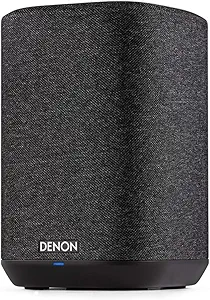
Denon vs Klipsch: Overview & Brand Philosophy
When curating a dedicated listening room or building out a cinema-grade home theater, the debate often leads to established heritage brands with distinct philosophies. Denon, founded in Japan in 1910, built its legendary reputation on audio electronics, signal processing, and high-fidelity amplification before translating that expertise into modern networked speaker systems like the Denon Home series. Denon’s philosophy centers on acoustic accuracy, linear frequency response, and seamless digital interoperability, engineering speakers that aim to reproduce recordings exactly as the mixing engineer intended, with warm, balanced presentation and cutting-edge wireless integration.
In contrast, Klipsch represents quintessential American acoustic engineering, born in 1946 through founder Paul W. Klipsch's obsession with capturing the raw dynamics and emotional impact of live music. Klipsch is virtually synonymous with horn-loaded driver technology, designing speakers that prioritize high sensitivity, wide dynamic range, and controlled directivity. Rather than focusing primarily on software-driven ecosystems, Klipsch concentrates on moving air with maximum mechanical efficiency, resulting in a lively, visceral, forward sonic signature that makes movies explode with impact and instruments jump off the soundstage.
Comparing these two industry giants requires acknowledging their differing core strengths: Denon excels primarily as an electronics-first innovator translating digital audio into multi-room ecosystems and integrated powered solutions, while Klipsch stands as an acoustic-first loudspeaker titan, dominating passive high-efficiency home theater systems while expanding into powered studio monitors and architectural audio.
Key Differences & Technological Comparison
The acoustic division between Denon and Klipsch starts with driver architecture. Klipsch’s proprietary Tractrix Horn technology mates a compression driver to a flared horn throat, a design that geometrically controls sound dispersion while drastically reducing the excursion required by the driver. This yields extraordinarily high sensitivity—frequently exceeding 95dB to 98dB @ 2.83V/1m in their Reference and Reference Premiere series—meaning Klipsch speakers demand minimal amplifier wattage to produce concert-level volume with vanishingly low distortion. Mid-bass and low frequencies are handled by lightweight, exceptionally rigid spun-copper Cerametallic woofers, which contribute to Klipsch's fast, punchy transient response.
Denon approaches speaker design through conventional direct-radiating soft-dome tweeters paired with composite or paper-cone midrange/woofer assemblies. While traditional direct radiators inherently offer lower sensitivity (typically ranging between 84dB and 89dB) and require more amplifier power, they deliver a broader, less directional soundstage with a naturally smoother top-end rolloff. For users sensitive to harsh sibilance or high-frequency fatigue, Denon’s acoustic profiling feels more forgiving across poorly mastered audio tracks.
Another major technological differentiator is connectivity and smart ecosystem integration. Denon's speaker lineup heavily features its proprietary HEOS platform, allowing synchronized multi-room streaming, native 24-bit/192kHz high-resolution audio support, and deep cross-compatibility with Denon and Marantz AV receivers. Klipsch relies heavily on traditional passive setups, though its "Fives, Sevens, and Nines" powered heritage series includes modern additions like HDMI-ARC, phono preamps, and optical inputs. However, Klipsch generally foregoes proprietary multi-room software ecosystems, relying instead on standard Bluetooth (with aptX HD) or third-party platforms like Apple AirPlay and Google Cast.
Pros & Cons Comparison
Denon
- Pro: Neutral, Non-Fatiguing Sound: Smooth mid-range and polite high frequencies make Denon speakers comfortable for long listening sessions without ear fatigue.
- Pro: HEOS Ecosystem Integration: Exceptional multi-room functionality, easily pairing standalone powered speakers with home theater receivers.
- Pro: High-Resolution Streaming: Native software support for FLAC, ALAC, WAV, and DSD tracks directly over Wi-Fi without compression.
- Con: Limited Passive Speaker Selection: Denon's modern catalog primarily focuses on powered/wireless systems, leaving traditional passive audiophile options sparse compared to dedicated speaker makers.
- Con: Lower Sensitivity & Dynamic Headroom: Lacks the explosive, instantaneous dynamic punch of horn-loaded competition at high volumes.
Klipsch
- Pro: Incredible Efficiency & Dynamics: Horn-loaded drivers extract maximum volume and clarity from even modest, low-wattage amplifiers.
- Pro: Expansive Product Range: Vast selection spanning budget passive desktop speakers, mid-range home theater packages, high-end architectural systems, and ultra-premium Heritage floorstanders.
- Pro: Cinematic Clarity: Dialogue intelligibility and micro-detail resolution in film soundtracks are among the best in the consumer audio market.
- Con: Polarizing Sonic Signature: The energetic, treble-forward sound profile can occasionally become bright, harsh, or fatiguing in acoustically untreated rooms with hardwood or tile floors.
- Con: Less Sophisticated Wireless Ecosystem: Does not offer an in-house, seamlessly integrated multi-room software platform to rival HEOS or Sonos.
Performance, Durability & Value Analysis
From a longevity and build-quality standpoint, Klipsch maintains a significant advantage in passive categories, where physical longevity can easily span several decades. The structural integrity of their enclosures—often built with reinforced MDF internal bracing, premium wood veneers on higher-tier lines, and durable anodized binding posts—ensures components resist wear over time. Because passive speakers lack internal computing boards or wireless transceivers, there are no microchips or firmware to become obsolete. Klipsch powered lines, while more complex, also feature rugged industrial design and heavy-duty tactile knobs, though standard electronics warranties apply.
Denon demonstrates remarkable build consistency in the lifestyle and connected audio space. Their wireless enclosures feature tightly woven acoustic fabric grilles and water-resistant physical finishes, particularly on portable models. However, Denon speakers are primarily active networked devices, meaning their long-term value proposition is tied inextricably to ongoing software support, mobile app updates, and network protocol viability. In terms of price-to-performance, Klipsch yields unmatched value per dollar for dedicated home theater enthusiasts seeking raw sound pressure levels, whereas Denon provides superior value for users looking for plug-and-play simplicity, sleek aesthetics, and whole-home wireless audio cohesion.
Final Verdict: Which Brand Should You Choose?
Your choice between Denon and Klipsch ultimately hinges on your system architecture, listening environment, and acoustic preferences:
Choose Klipsch if: You are assembling a dynamic home theater system or two-channel hi-fi setup where realism, punch, and dialogue clarity are paramount. If you want speakers that produce massive soundstage dynamics with low amplifier power, love a forward, live-concert presentation, or plan to invest in high-end passive floorstanders and architectural speakers, Klipsch is the clear champion.
Choose Denon if: You prioritize seamless multi-room streaming, compact powered units, and modern lifestyle convenience. Denon is the superior option if you already own a HEOS-enabled AV receiver, enjoy high-resolution audio streaming without buying separate network streamers, or prefer a warmer, smoother sound profile that remains easy on the ears during long background listening sessions throughout your home.
Product Selection
When evaluating product selection in the loudspeaker category, Klipsch presents an exponentially broader and more specialized acoustic portfolio compared to Denon. Klipsch’s catalog spans almost every conceivable tier of traditional passive and active hi-fi, ranging from entry-level Reference and Reference Premiere bookshelf models to high-end architectural in-wall solutions, outdoor landscaping speakers, and the legendary, handcrafted Klipsch Heritage series (such as the Klipschorn and Heresy). Engineering-wise, Klipsch builds its lineup around proprietary acoustic loading—notably their Tractrix horn technology paired with high-output Cerametallic or spun-copper woofers. This breadth allows audiophiles, home theater enthusiasts, and professional custom installers to source an entire timber-matched theater array, including dedicated bipolar surrounds and Atmos-enabled elevation speakers, directly from a single manufacturer across multiple price brackets.
Conversely, Denon approaches product selection primarily through the lens of modern, network-integrated digital audio rather than traditional acoustic component varieties. While historically renowned for AV receivers, Denon’s dedicated speaker portfolio is focused almost exclusively on the lifestyle-oriented Denon Home series, which includes multi-room wireless smart speakers, compact subwoofers, and active soundbars. These units feature robust engineering tailored for autonomous or semi-autonomous operation, integrating high-resolution DSP, Class-D amplification, and proprietary HEOS multi-room streaming architecture directly into the enclosures. Denon largely eschews passive floorstanding speakers, horn-loaded architectural installations, and dedicated reference stereo components, choosing instead to engineer versatile, all-in-one wireless endpoints that emphasize convenience, voice assistant integration, and network stability over expansive physical acoustic form factors.
The practical trade-off between the two brands comes down to system modularity versus out-of-the-box digital convenience. Klipsch excels in modular versatility, offering buyers granular control over crossover matching, amplification pairing, and acoustic displacement, but it necessitates external amplification and signal processing (which, ironically, often comes from Denon AVRs). Denon provides a streamlined, low-clutter product selection that simplifies whole-home audio down to plug-and-play streaming devices, but it severely limits the consumer seeking unpowered, dedicated theater arrays or large-scale, two-channel stereo listening. Ultimately, consumers prioritizing vast acoustic variations, high-sensitivity passive engineering, and dedicated home cinema topologies will find Klipsch vastly superior in selection, whereas those demanding interconnected, active smart speakers with minimal footprint are better served by Denon’s tightly curated catalog.
Affordability
When assessing affordability between Denon and Klipsch, it is essential to delineate their core engineering competencies: Denon is primarily an electronics titan that entered the active speaker and soundbar arena via digital integration, whereas Klipsch is a legacy acoustic specialist focused on passive transducers. Denon’s speaker offerings—predominantly found in their Home series of wireless streaming units and DHT soundbars—integrate high-value digital signal processing (DSP), high-resolution network DACs, and multi-room HEOS amplification into singular, self-powered chassis. This all-in-one architecture provides high initial cost-to-performance efficiency, as consumers avoid purchasing dedicated AV receivers or secondary amplification. Klipsch, by contrast, establishes its baseline affordability in the passive sector with the Reference and Reference Premiere lines, alongside active powered monitors like the "Fives" or "Nines." Klipsch’s proprietary Tractrix horn technology grants their speakers exceptionally high sensitivity ratings (frequently exceeding 93 dB @ 2.83V/1m), allowing them to produce massive dynamic range and clean volume even with budget, low-wattage amplification—a major cost-saving engineering advantage over less efficient acoustic designs.
The technical trade-offs between the two brands significantly dictate lifetime ownership costs. Denon’s affordability advantage is concentrated at the entry-to-mid-range digital consumer tier, packing Dolby Atmos decoding, voice assistant integration, and wireless convenience into cost-effective footprints; however, the reliance on proprietary software, wireless firmware updates, and integrated digital amplifiers introduces long-term obsolescence risks that diminish return-on-investment over time. Klipsch’s passive speaker portfolio operates on an inverse economic principle: while the initial monetary outlay for a complete Klipsch surround sound package is typically higher once an external receiver and cabling are factored in, their passive enclosures feature robust crossover networks, Spun-Copper TCP woofers, and absence of expendable computing components. This gives Klipsch products decade-spanning acoustic lifespans with negligible component failure rates, yielding an inherently lower cost-per-year of ownership for traditional audio enthusiasts.
Ultimately, your definition of affordability depends on whether you value upfront plug-and-play digital synergy or modular acoustic longevity. Denon wins on immediate, all-inclusive pricing for users seeking compact, multi-functional home audio solutions that eliminate the need for costly peripheral components and complex wiring runs. Klipsch, on the other hand, dominates price-to-performance metrics in the pure acoustic arena. Frequent and aggressive holiday sales cycles make Klipsch’s entry-level Reference series one of the most accessible pathways to true dynamic high-fidelity theater sound on the market, offering expansive soundstages and effortless amplification matching that standalone lifestyle speakers simply cannot replicate at the same price point.
Quality/Durability
When evaluating engineering quality and material durability, Denon and Klipsch approach loudspeaker design from fundamentally different operational philosophies. Klipsch is an acoustic-first powerhouse, revered for its robust passive speaker builds that emphasize heavy-duty cabinet bracing, scratch-resistant textured wood-grain vinyl, and rugged, reinforced MDF construction. Their signature hardware—notably the proprietary Tractrix horns paired with spun-copper Cerametallic or TCP (thermoformed crystalline polymer) woofers—offers exceptional physical resilience against mechanical stress and environmental wear. Klipsch designs its dynamic transducers to minimize cone flexure, which virtually eliminates mechanical distortion and significantly extends driver lifespan. Conversely, Denon primarily operates in the modern active and smart speaker space (exemplified by the Denon Home series). Denon’s engineering focuses on precision-molded composite enclosures, custom-tuned internal amplifiers, and premium, tightly woven acoustic fabric wraps. While Denon's physical construction is sleek and dense, mitigating internal cabinet resonances through sophisticated digital acoustic modeling rather than sheer physical mass, the inclusion of internal amplification, Wi-Fi chips, and sensitive touch-capacitive glass interfaces inherently introduces more points of hardware vulnerability over a multi-decade timeline.
In terms of functional longevity and practical trade-offs, the durability battle splits distinctly between passive acoustic endurance and digital ecosystem viability. Klipsch passive speakers are practically timeless; devoid of internal processing circuitry or firmware dependencies, a standard Klipsch Reference or Heritage floorstander can easily operate for thirty years or more, provided the rubber surrounds and crossovers are not exposed to extreme humidity or thermal abuse. Even Klipsch’s powered offerings, such as the "Fives" or "Nines," rely heavily on robust, high-current analog amplification stages designed for sustained high-SPL (Sound Pressure Level) playback without thermal degradation. Denon, while delivering immaculate build quality that withstands daily household handling, is heavily tethered to the lifecycle of its proprietary HEOS smart platform. Denon builds robust power supplies and solid thermal management into its active speakers to prevent component burnout, but digital longevity remains contingent on persistent firmware updates, cloud connectivity, and network-stack support. Furthermore, while Klipsch's hard copper and horn surfaces are immune to cosmetic fraying and easy to clean, Denon’s fabric-sheathed chassis can be susceptible to liquid staining, snagging, and dust accumulation over prolonged use.
Ultimately, consumers prioritizing permanent, mechanical durability and high-stress acoustic performance will find Klipsch undeniably superior, as their over-engineered drivers and heavy-gauge cabinets offer industrial-grade resilience capable of spanning generations. Denon represents the pinnacle of modern, integrated lifestyle audio, delivering exceptional physical refinement, high-grade acoustic dampening, and rigorous internal component selection. However, the trade-off with Denon lies in the natural obsolescence curve of digital hardware: where a Klipsch speaker retains near-infinite physical and acoustic integrity, a Denon speaker’s long-term operational lifespan is governed as much by its onboard digital micro-electronics and software viability as it is by the structural quality of its enclosure.
Sound Quality
When evaluating sound quality, Denon and Klipsch embody fundamentally distinct acoustic philosophies born from their core engineering specializations. Klipsch is legendary for its proprietary Tractrix horn-loaded technology and lightweight, rigid spun-copper Cerametallic woofers. This unique mechanical design yields exceptionally high sensitivity, ultra-low distortion, and rapid transient response. The resulting sound signature is dynamic, bright, and aggressively forward, excelling at macro-dynamics that effortlessly replicate the tactile slam of a live concert or the visceral impact of cinematic action. Conversely, Denon approaches sound quality primarily through a balanced, neutral European acoustic tuning—most prevalent in their integrated systems and premium wireless speakers like the Denon Home series. Powered by custom digital signal processing (DSP) and high-current internal amplification, Denon speakers prioritize accurate tonal reproduction, smooth mid-range warmth, and tightly controlled, articulate low-end rather than outright volume or hyper-detailed top-end energy.
The technical trade-offs between these two sonic profiles define how they perform in practical consumer environments. Klipsch speakers deliver remarkable clarity and micro-detail retrieval, allowing subtle nuances in high-frequency content to emerge even at low listening levels without requiring substantial amplifier power. However, this clinical, horn-driven approach can introduce listening fatigue over prolonged sessions, particularly in acoustically untreated rooms with high surface reflectivity where treble can turn harsh or sibilant. Denon minimizes this issue by delivering a relaxed, forgiving soundstage with natural vocal timbre and a non-fatiguing top end. Where Denon occasionally falters is in perceived airiness and wide-open spatial scale; because their consumer speaker lineup emphasizes compact, self-amplified wireless units, they cannot physically match the massive, three-dimensional dynamic range, instrument separation, or chest-thumping bass authority delivered by Klipsch's traditional passive floorstanding and reference architectures.
Ultimately, your choice in sound quality hinges on your primary media consumption and aesthetic tolerance for acoustic coloration. Audio enthusiasts and home theater aficionados seeking high-impact, explosive playback with razor-sharp dialogue and immersive spatial precision will find Klipsch unmatched in both passive performance and sheer acoustic presence. On the other hand, critical music listeners who favor a warm, balanced, and organic acoustic presentation across acoustic, classical, and vocal-heavy genres will appreciate Denon's sophisticated tuning. Denon masterfully smooths out poorly mastered recordings and maintains structural cohesion across the frequency spectrum, making it the superior sound profile for laid-back, full-fidelity whole-home background audio and intimate nearfield listening.