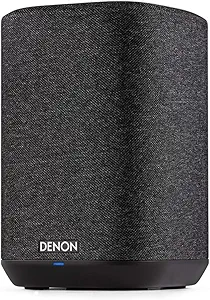
Denon vs JBL: Overview
Comparing Denon and JBL helps you determine which brand is best suited for your needs in Speakers. Both brands offer strong choices depending on your budget and key feature requirements.
Key Features & Comparison
Evaluate factors such as build quality, warranty, customer satisfaction, and total value before making your final purchase choice between Denon and JBL.
Product Selection
When examining product selection, Denon and JBL take markedly different strategic directions based on their brand heritage. Denon focuses heavily on home theater ecosystems, multi-room architectural audio, and traditional hi-fi separates. Their speaker offerings are concentrated within their premium wireless home lineup (the Denon Home series), soundbars, and specialized AV receivers that power complex multi-channel setups. While Denon does not offer a vast catalog of standalone passive speakers under its direct marquee today, its HEOS platform enables seamless cross-category interoperability across soundbars, subwoofers, and smart speakers tailored for comprehensive residential installations.
Conversely, JBL boasts one of the most sprawling and diversified speaker catalogs in modern consumer electronics. From ultra-portable, rugged Bluetooth speakers like the Clip and Flip series to massive PartyBoxes, desktop monitors, high-end architectural systems, and legendary studio-grade floorstanders under the JBL Synthesis and Classic lines, the brand leaves virtually no niche unfilled. Consumers seeking specialized equipment—whether an all-weather marine speaker, an entry-level television soundbar, or a retro-inspired luxury acoustic monitor—will find that JBL provides unmatched breadth across both lifestyle and professional audio categories.
Affordability
In terms of pricing and affordability, Denon targets the mid-to-high-end enthusiast segment, which sets a relatively high barrier to entry. Even entry-level offerings, such as their compact Denon Home 150 wireless speaker or base soundbars, command premium prices reflective of their audiophile-grade components and integrated streaming network hardware. While Denon regularly justifies these price points through sophisticated digital signal processing and robust connectivity protocols, the brand offers virtually nothing for casual listeners on an ultra-tight budget seeking basic, sub-hundred-dollar audio solutions.
JBL, by contrast, adopts a tiered pricing model that covers every demographic from cost-conscious students to affluent audiophiles. Budget-oriented shoppers can easily access reliable, water-resistant Bluetooth audio through models like the JBL Go or Clip for well under fifty dollars, while those with moderate budgets can secure high-output soundbars and portable units without breaking the bank. While JBL does produce multi-thousand-dollar reference speakers, its mass-market ubiquity stems directly from its aggressive, highly competitive pricing across entry-level and mid-range consumer categories.
Quality/Durability
Denon’s approach to build quality and durability is deeply rooted in high-end living space aesthetics and component longevity. Their speakers and audio components utilize premium acoustical fabric wraps, thick brushed aluminum or tempered glass top plates, and rigid internal bracing designed to reduce cabinet resonance. These products are engineered for stable indoor environments, prioritizing thermal dissipation, component longevity, and high-tolerance internal circuits over weatherproofing. The result is a refined, furniture-grade presentation that excels in reliability within living rooms and media centers over many years.
JBL approaches durability from an active, lifestyle-driven perspective while maintaining professional-grade manufacturing standards. Their vast array of portable and outdoor speakers are engineered with heavy-duty silicone bumpers, reinforced rubberized housings, and IP67/IP68 water- and dust-proofing certifications, making them resistant to drops, submersion, and extreme outdoor environments. Even in their high-end residential lines, JBL leverages robust transducers and heavy-gauge MDF or cast-aluminum frames derived from their commercial sound reinforcement experience, yielding products built to withstand severe physical demands and high-volume output without structural degradation.
Sound Quality
Denon champions a refined, neutral, and balanced sound signature that caters directly to audiophiles and critical listeners. Their acoustic tuning prioritizes midrange clarity, articulate high-frequency extension, and precise stereo imaging, ensuring that acoustic instruments, vocal nuances, and orchestral dynamics are rendered with authentic fidelity. Even in their soundbars and compact wireless speakers, Denon avoids exaggerated bass bloat, instead delivering tight, controlled low frequencies that integrate seamlessly with the rest of the frequency spectrum to maintain sonic cohesion and accurate timber reproduction.
JBL is renowned for its energetic, dynamic, and forward "JBL Pro Sound" signature, characterized by impactful, punchy bass and crystalline highs driven by compression drivers and proprietary horn technology. In consumer portables and party speakers, JBL deliberately boosts sub-bass and upper-mid frequencies to create an engaging, room-filling sound that holds up exceptionally well outdoors and in crowded environments. When moving into JBL’s premium Classic or Synthesis monitors, this tuning evolves into an extraordinarily precise, dynamic presentation capable of effortless transients and massive acoustic scale, making JBL the preferred choice for listeners who prioritize visceral impact, dynamic headroom, and lively performance.