VIZIO vs Sony: Overview
Comparing VIZIO and Sony helps you determine which brand is best suited for your needs in Soundbars. Both brands offer strong choices depending on your budget and key feature requirements.
Key Features & Comparison
Evaluate factors such as build quality, warranty, customer satisfaction, and total value before making your final purchase choice between VIZIO and Sony.
Product Selection
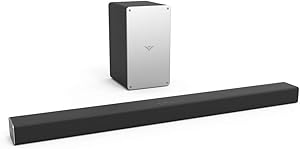
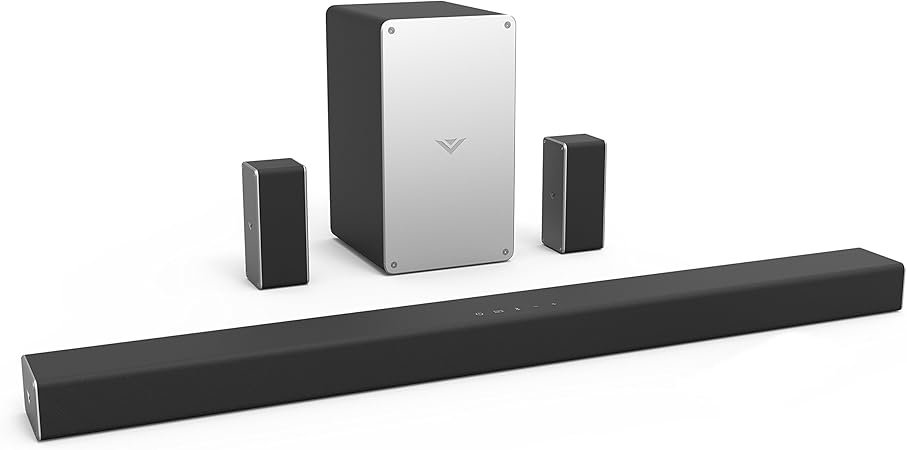
VIZIO approaches product selection with a disciplined focus on the entry-level to upper-midrange segments, organizing its lineup into distinct, consumer-friendly tiers such as the V-Series, M-Series, and the flagship Elevate series. The brand excels at delivering complete turnkey systems that include wireless subwoofers and discrete rear surround satellite speakers in the box. While this streamlined catalog ensures exceptional clarity for buyers seeking ready-to-use 2.1, 5.1, or 5.1.2 Dolby Atmos packages, VIZIO largely avoids the ultra-premium or modular sectors, offering fewer standalone bars for spaces where separate subwoofers are impractical.
In contrast, Sony maintains an expansive and technically sophisticated portfolio spanning entry-level standalone bars to high-end architectural home theater ecosystems. Sony's catalog features everything from budget compact units (like the S-Series) up through the premium HT-A series (such as the HT-A7000 and HT-A9) and the newer Bravia Theatre line. Crucially, Sony emphasizes modularity, allowing consumers to purchase standalone flagship bars and subsequently expand their setups with a choice of optional wireless subwoofers and battery-powered rear speakers. This breadth caters to high-end custom integrators and cinema purists in ways VIZIO's fixed-package philosophy does not attempt.
Design/Look
VIZIO soundbars are designed primarily for practical functionality, characterized by utilitarian aesthetics that incorporate dark acoustic fabrics, matte plastic housings, and low-profile silhouettes. The primary physical innovation in VIZIO's catalog is the rotating speaker design on the flagship Elevate bar, which mechanically pivots upward when Dolby Atmos or DTS:X signals are detected. While this feature provides genuine visual theater and acoustic utility, VIZIO's entry-level and mid-range options can feel somewhat industrial, relying heavily on lightweight plastics and minimalist text displays or row-of-dot LED indicators that lack the refined tactile premium of luxury consumer electronics.
Sony invests heavily in industrial design, delivering understated, premium aesthetics intended to harmonize with contemporary luxury televisions and modern living spaces. Employing high-grade metal grilles, brushed aluminum accents, and acoustically transparent fabrics, Sony soundbars present a significantly more monolithic and durable feel. Higher-end models incorporate clear on-glass displays or direct on-screen TV overlays via eARC, eliminating the guesswork of cryptic LED dots. Furthermore, Sony's innovative form factors—such as the four-pillar wireless speaker aesthetic of the HT-A9 or Bravia Theatre Quad—demonstrate a commitment to interior design integration that substantially outperforms VIZIO's conventional black-bar form factors.
Affordability
Affordability is VIZIO's primary competitive advantage, consistently redefining consumer expectations regarding price-to-performance in home audio. By leveraging efficient manufacturing and bundling complete surround sound packages, VIZIO allows consumers to acquire a genuine 5.1-channel or 5.1.2-channel Dolby Atmos system for the price that many competitors charge for a basic 2.1-channel bar. This aggressive pricing structure makes multi-channel surround sound accessible to mass-market buyers without necessitating additional investments in standalone surround speakers, subwoofers, or external AV receivers.
Sony positions itself toward the premium end of the pricing spectrum, demanding a substantial investment, particularly within its flagship HT-A and Bravia Theatre tiers. While Sony does offer budget bars under $200, its mid-range and high-end units routinely cost several times more than comparable VIZIO packages. Furthermore, because Sony often sells flagship soundbars as standalone components with subwoofers and rears sold separately as costly add-ons, completing a full Sony surround configuration can easily exceed multiple thousands of dollars. Consumers pay a significant premium for Sony's proprietary processing, premium materials, and ecosystem integration.
Sound Quality
VIZIO punches well above its weight class in sound quality by prioritizing high hardware channel counts over purely virtualized processing. Because many VIZIO packages include dedicated physical rear satellites and downward- or front-firing subwoofers, they generate an authentic, enveloping surround soundfield with localized directional cues and punchy low-end impact. The M-Series and Elevate lines deliver clear dialogue reproduction and robust dynamic range. However, audiophiles may notice limitations in acoustic refinement: VIZIO subwoofers can occasionally exhibit boomy, less controlled bass, and the mid-range can sound slightly compressed during complex musical passages compared to dedicated high-end systems.
Sony soundbars leverage industry-leading digital signal processing (DSP) to achieve extraordinary acoustic precision, expansive soundstages, and pristine high-resolution audio reproduction. Utilizing proprietary technologies such as 360 Spatial Sound Mapping, Sound Field Optimization, and X-Balanced speaker units, Sony creates a highly cohesive hemispherical acoustic bubble, even when using upward-firing drivers rather than physical rears. Sony's frequency response is generally flatter and more articulate than VIZIO's, yielding richer vocal clarity, well-damped musicality, and distortion-free playback at high volumes, making it the preferred choice for discerning listeners and home cinema enthusiasts.