Product Selection
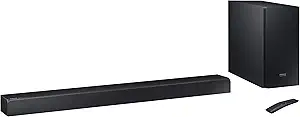
Samsung dominates the market with one of the most comprehensive soundbar portfolios available, divided systematically between its high-performance Q-Series and the design-focused S-Series. From entry-level 2.0-channel bars to flagship multi-speaker ecosystems like the HW-Q990 series that feature true 11.1.4-channel surround setups out of the box, Samsung covers almost every price tier and room dimension. Their catalog updates annually with iterative architectural improvements, ensuring that consumers looking for specific features—such as dedicated up-firing drivers, wireless rear satellites, or native TV-integration technologies like Q-Symphony—have distinct, finely stepped options at nearly every $100 interval.
Sony takes a more curated, modular approach with a catalog that emphasizes premium standalone engineering and scalable ecosystem integration. Rather than overwhelming consumers with dozens of incremental configurations, Sony focuses on standalone units within its HT and BRAVIA Theater lineups (such as the HT-A7000 or BRAVIA Theater Bar 9) alongside innovative spatial audio systems like the HT-A9 and BRAVIA Theater Quad. Sony’s modular philosophy often requires consumers to purchase subwoofers and rear surround speakers separately, which offers customization freedom for high-end buyers but can leave the catalog feeling less accessible and fragmented for consumers seeking complete, turn-key home theater bundles.
Design/Look
Sony emphasizes an understated, premium aesthetic characterized by architectural lines, high-end materials, and refined textural contrasts. Many of their top-tier bars blend brushed metal accents, deep matte grilles, and tactile fabric wraps that seamlessly match modern minimalist interiors and BRAVIA displays. Unique solutions like the BRAVIA Theater Quad replace the traditional horizontal bar form factor entirely with flat, wall-mountable wireless panels dressed in neutral, acoustic fabric. Across the line, Sony’s hardware prioritizes discrete elegance, utilizing subtle integrated LED status displays and smooth chamfered edges that feel substantial and luxurious to the touch.
Samsung balances premium styling with functional adaptability, often relying on angular geometries and durable perforated metal grilles that resist dust and pet damage better than traditional acoustic fabric. Their flagship Q-Series soundbars showcase an aggressive, technical aesthetic with faceted ends designed to house angled side-firing drivers without adding excessive bulk. For consumers prioritizing decor integration above all else, Samsung’s Ultra-Slim S-Series features exceptionally low-profile enclosures in multiple modern colorways that virtually vanish beneath wall-mounted displays. While Samsung's build quality is robust, it relies more on engineered plastics than Sony's metal-heavy construction, trading raw physical heft for a sleeker footprint.
Affordability
When analyzing raw value and feature-per-dollar ratios, Samsung consistently holds a significant advantage over Sony across nearly every price bracket. Samsung routinely packages wireless subwoofers and discrete wireless rear satellite speakers into complete out-of-the-box bundles, even at mid-range price points. This bundle approach means buyers receive true multi-channel physical surround and Dolby Atmos performance without needing to invest in secondary accessories. Furthermore, Samsung’s aggressive discounting schedule and frequent promotional pricing allow consumers to acquire flagship-tier acoustic power at a fraction of the cost of comparable multi-channel setups from rival audio manufacturers.
Sony positions its lineup at a distinct premium, resulting in a higher cost of entry that demands a larger financial commitment from consumers. Because flagship Sony soundbars frequently ship as standalone bars, consumers must budget an extra several hundred dollars to add a dedicated wireless subwoofer (like the SA-SW3 or SA-SW5) and rear speakers (such as the SA-RS5) to achieve true 360-degree surround immersion. While Sony’s budget and mid-tier models offer competent virtualized surround processing, they face steep competition from Samsung models that offer physical discrete channels for identical or lower investments, making Sony the costlier option throughout the ownership lifecycle.
Sound Quality
Samsung’s sound signature is engineered for immediate cinematic impact, characterized by energetic dynamic range, crisp treble clarity, and authoritative low-end punch. Thanks to acoustic calibration technologies like SpaceFit Sound Pro and acoustic tuning derived from Samsung's California Audio Lab, their multi-channel bars deliver exceptional channel separation and highly focused surround pans. Dialogue reproduction is pristine due to dedicated center channels and Active Voice Amplifier processing that boosts vocals over background noise. While Samsung bars excel at the punchy dynamics required for blockbuster movie mixes, their out-of-the-box frequency response can lean slightly bright, requiring minor EQ tweaking for critical, warm music listening.
Sony excels in creating an expansive, seamless soundstage powered by advanced digital signal processing and proprietary acoustic beamforming. Utilizing innovations like 360 Spatial Sound Mapping and Sound Field Optimization, Sony creates virtual phantom speakers throughout the room, delivering a psychoacoustic sense of height and depth that few single-unit enclosures can match. Sony's sound profile skews slightly warmer, more organic, and highly musical, featuring transparent midrange reproduction and rich instrumental timbre that appeals strongly to audiophiles. While Sony occasionally relies more heavily on virtual surround simulation than Samsung's direct multi-driver arrays, its spatial cohesion and sonic accuracy are remarkably refined.