TCL vs JBL: Overview
Comparing TCL and JBL helps you determine which brand is best suited for your needs in Soundbars. Both brands offer strong choices depending on your budget and key feature requirements.
Key Features & Comparison
Evaluate factors such as build quality, warranty, customer satisfaction, and total value before making your final purchase choice between TCL and JBL.
Product Selection
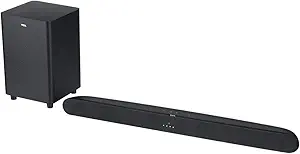
TCL’s product selection in the soundbar category is heavily focused on the entry-level to mid-range segments, designed primarily as plug-and-play acoustic upgrades for modern flat-panel televisions. The brand structures its lineup around distinct series, ranging from compact, standalone 2.0-channel bars to affordable multi-channel setups featuring wireless subwoofers and rear satellites, such as the Alto and Q-Series. While TCL has expanded into spatial audio formats like Dolby Atmos and DTS:X via upward-firing or virtualized drivers, its catalog prioritizes consumer-friendly configurations that seamlessly integrate with TCL's broader ecosystem of Roku and Google TV displays, appealing directly to mainstream buyers looking for cohesive home theater packages.
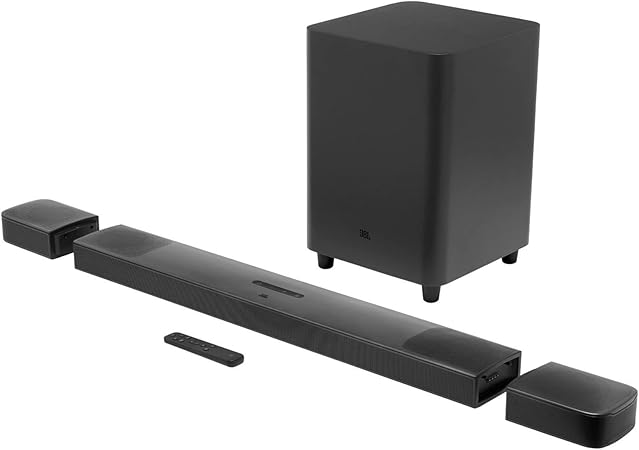
In contrast, JBL offers a significantly broader and more technologically ambitious portfolio that bridges budget-conscious sound solutions with high-end, modular architectural audio. Under the stewardship of Harman, JBL’s catalog spans basic 2.0-channel bars, mid-tier soundbars with robust external subwoofers, and sophisticated flagship systems like the JBL Bar series (e.g., Bar 1000 and Bar 1300X). JBL’s lineup stands out for its engineering ingenuity, particularly its detachable, battery-powered wireless rear surround speakers that provide genuine multi-channel separation without cable clutter. This comprehensive spread allows JBL to satisfy both casual apartment dwellers and demanding audio enthusiasts seeking true 11.1.4-channel spatial sound, giving it a marked advantage in modular variety and acoustic scalability.
Design/Look
TCL embraces an understated, highly functional design language characterized by clean geometric lines, low-profile enclosures, and neutral matte-black finishes. The primary engineering goal is spatial efficiency, ensuring the soundbars easily slip beneath modern TV bezels without obstructing infrared receivers or screen real estate. Front baffles typically feature acoustically transparent fabric mesh or perforated plastic grilles, accented by simple LED status indicators. While modern and unobtrusive, TCL's physical build relies heavily on lightweight ABS plastics, which, while durable enough for stationary use, do not convey the substantial, premium tactile feel found in higher-end lifestyle audio equipment.
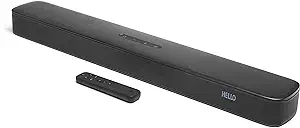
JBL approaches industrial design with a more premium, contemporary, and acoustically robust aesthetic. Utilizing brushed metal accents, high-grade perforated metal grilles, and sleek curved corners, JBL soundbars project an upscale presence that complements both minimalist and high-end living spaces. A crowning design achievement is their proprietary magnetic docking system, which seamlessly integrates detachable surround speakers into the main bar chassis for recharging. JBL also incorporates alphanumeric front-facing displays hidden behind metal mesh, providing clear visual feedback for volume, input, and calibration without cluttering the aesthetic. The result is a refined, durable build quality that resists structural resonance far better than budget-oriented competitors.
Affordability
Affordability is the cornerstone of TCL’s value proposition, positioning the brand as one of the most price-competitive manufacturers in the consumer electronics market. TCL aggressively prices its soundbars to undercut traditional audio-first brands, frequently offering standalone stereo bars well under the hundred-dollar threshold and complete 5.1-channel systems at prices where rivals offer only entry-level 2.1 units. By leveraging vertical integration, shared manufacturing facilities, and cost-effective internal componentry, TCL democratizes advanced decoding formats like Dolby Atmos, making modern audio technologies accessible to budget-conscious shoppers and secondary-room setups without requiring substantial investments.
JBL positions itself within a mid-tier to premium price bracket, reflecting its proprietary driver technologies, advanced acoustic tuning, and higher-grade materials. While JBL does produce entry-level options like the JBL Bar 2.0, the majority of its portfolio demands a noticeable price premium compared to equivalent channel-count models from TCL. However, this higher barrier to entry is justified by substantial functional dividends, including truly wireless surround components, advanced room calibration suites, superior dynamic headroom, and expansive wireless streaming ecosystems (Apple AirPlay 2, Chromecast, and Spotify Connect). Consumers paying JBL’s premium invest in longevity, acoustic fidelity, and mechanical innovation rather than sheer baseline economy.
Sound Quality
TCL delivers solid, pragmatic acoustic performance engineered primarily to address the glaring weaknesses of built-in television speakers, specifically vocal intelligibility and low-end presence. Utilizing tuned full-range drivers and dedicated center channels on select models, TCL soundbars offer crisp dialogue rendering and balanced mid-range reproduction suitable for broadcast television, podcasts, and casual movie viewing. However, TCL's technical trade-offs become evident at higher output levels or during complex cinematic sequences: bass modules can lack deep subterranean extension, exhibiting boomy rather than tight punch, and virtualized surround processing often struggles to create a convincing, expansive three-dimensional soundstage due to narrow driver dispersion.
JBL operates in a higher acoustic tier, backed by Harman’s decades of acoustic research and proprietary transducer engineering. JBL soundbars deliver exceptional dynamic range, neutral tonal balance, and authoritative low-frequency impact, often pairing main units with massive 10-inch or 12-inch subwoofers capable of linear, room-shaking bass without distortion. High frequencies are detailed yet smooth, avoiding harsh sibilance thanks to advanced dome tweeters and precision waveguides. When processing spatial audio, JBL's physical up-firing drivers and dedicated detachable surrounds create an immersive, accurately localized acoustic hemisphere that effortlessly surpasses TCL's psychoacoustic virtualization, providing a genuinely cinematic listening experience with music and film alike.